Thanksgiving Turkeys
Rate this recipeBe the first to rate
 By AprilPublished
 Thanksgiving is just around the corner, and for many of us, that means one thing: turkey!
 By AprilPublished
 Thanksgiving is just around the corner, and for many of us, that means one thing: turkey!
In a medium stainless steel or glass bowl, put the chocolate chips.
Place the bowl over a saucepan of barely simmering water.
Stir occasionally and cook until the chocolate is melted, around 4 minutes.
Let the melted chocolate cool slightly and set it aside.
Take a chocolate sandwich cookie and push 5 candy corn candies, tip-side down, into the cream filling to create the turkey's feathers.
Lay the cookie on a work surface.
Dip the flat, larger end of a peanut butter cup into the melted chocolate, allowing any excess chocolate to drip back into the bowl.
Place the peanut butter cup, chocolate-dipped end down, onto the sandwich cookie.
Dip a malt ball into the melted chocolate, allowing any excess chocolate to drip back into the bowl.
Place the malt ball above the peanut butter cup to form the turkey's head.
Dip the flat end of the white candy corn tip into the chocolate and place it on the malt ball to make the turkey's beak.
Refrigerate the cookies until the chocolate has set, approximately 10 minutes.
Fill a piping bag with the red frosting.
Cut a small opening in the end of the piping bag using scissors.
Pipe a small piece of frosting under the malt ball to create the turkey's beard.
Place a cookie (with the top half removed) on a platter.
17
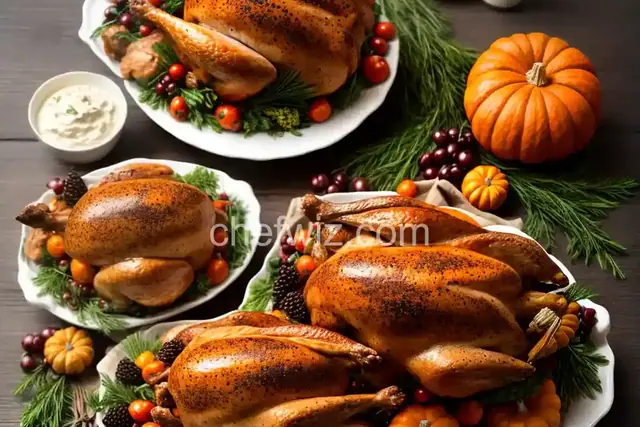
Thanksgiving is just around the corner, and for many of us, that means one thing: turkey! The centerpiece of the Thanksgiving table, the turkey is a symbol of abundance, gratitude, and togetherness. But have you ever wondered why turkey has become synonymous with this holiday feast? Let's dive into the history, tradition, and preparation of Thanksgiving turkeys.
The tradition of serving turkey on Thanksgiving dates back to the 17th century. When the Pilgrims and Native Americans gathered for the first Thanksgiving in 1621, it is believed that wild turkeys were part of the feast. However, it wasn't until the 19th century that turkey became a staple of the Thanksgiving menu. The bird's large size made it perfect for feeding a crowd, and its delicious flavor and tender meat made it a favorite choice for such a special occasion.
Preparing a Thanksgiving turkey can be a daunting task, but with a little know-how and some helpful tips, you can create a mouthwatering masterpiece. The key to a juicy and flavorful turkey is proper seasoning and cooking techniques. Whether you choose to brine, baste, or stuff your turkey, the goal is to lock in moisture and enhance the natural flavors.
Brining involves soaking the turkey in a saltwater solution before cooking. This not only adds flavor but also helps to tenderize the meat and keep it moist during cooking. The salt in the brine helps to break down the proteins, resulting in a more tender and juicy turkey. You can add herbs, spices, and even citrus fruits to the brine to infuse additional flavors.
Basting is the process of brushing or pouring liquid, such as melted butter or stock, over the turkey while it cooks. This helps to keep the meat moist and adds flavor. Basting also creates a beautiful golden brown skin that is both visually appealing and delicious.
Stuffing is a classic Thanksgiving side dish, but it can also be used to enhance the flavor of the turkey. By placing the stuffing inside the cavity of the bird, you allow the juices to infuse the stuffing, creating a delicious combination of flavors. However, it's essential to ensure that the stuffing reaches a safe internal temperature to prevent foodborne illnesses.
The cooking time for a turkey depends on its weight. As a general rule of thumb, you should cook a turkey for about 15 minutes per pound at a temperature of 325°F (163°C). However, it's always best to use a meat thermometer to ensure that the turkey reaches an internal temperature of 165°F (74°C) in the thickest part of the thigh.
Roasting is the traditional method of cooking a turkey and results in a moist and flavorful bird with a crispy skin. Deep-frying, on the other hand, produces a turkey with a crispy skin and tender meat. Both methods have their merits, so it ultimately comes down to personal preference.
Carving a turkey can be intimidating, but with a few simple steps, you'll be a pro in no time. Start by removing the legs and wings, then slice the breast meat against the grain. Remember to let the turkey rest for about 20 minutes before carving to allow the juices to redistribute and ensure a juicy bird.
It is not recommended to stuff your turkey the night before. Stuffing should be prepared and cooked separately to ensure that it reaches a safe internal temperature. If you prefer the flavors of a stuffed turkey, you can place aromatics such as onions, garlic, and herbs inside the cavity to enhance the taste.
The best way to determine if your turkey is done is by using a meat thermometer. Insert the thermometer into the thickest part of the thigh without touching the bone. The turkey is safe to eat when it reaches an internal temperature of 165°F (74°C).
Yes, you can use a frozen turkey, but it's essential to thaw it properly before cooking. Thawing in the refrigerator is the safest method and should be done at a rate of 24 hours for every 4-5 pounds of turkey. Alternatively, you can use the cold water thawing method, which requires changing the water every 30 minutes.
Leftover turkey should be refrigerated within two hours after cooking. Remove the meat from the bones and store it in an airtight container or wrap it tightly in aluminum foil or plastic wrap. Leftover turkey can be safely stored in the refrigerator for up to four days.
If you're looking to change things up this Thanksgiving, there are plenty of alternative options to explore. Consider a roasted chicken, a glazed ham, or even a vegetarian main dish such as a stuffed acorn squash or a hearty vegetable lasagna. The most important thing is to gather with loved ones and celebrate the spirit of gratitude and togetherness.
Thanksgiving turkeys have a rich history and hold a special place in our hearts and on our tables. Whether you prefer a traditional roast turkey or like to experiment with different cooking methods and flavors, the key is to enjoy the process and savor the delicious results. So this Thanksgiving, gather your loved ones, give thanks, and indulge in the mouthwatering delight of a perfectly cooked turkey.
AprilCook, recipe developer and the heart of Chefwiz. More about April