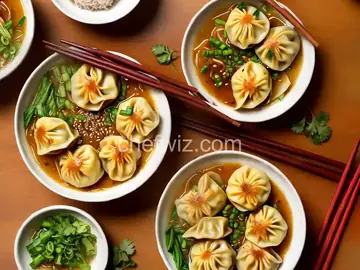
Tang Yuan (Glutinous Rice Balls) Recipe
Rate this recipeBe the first to rate
 By AprilPublished
 Who doesn't love a delicious sweet treat that brings joy to every occasion?
 By AprilPublished
 Who doesn't love a delicious sweet treat that brings joy to every occasion?
Grind the seeds or nuts in a mortar and pestle until they reach a fine, but not powdery, consistency.
In a small saucepan, melt the lard.
In a small bowl, mix the melted lard with the sugar and ground nuts.
Chill the mixture in the refrigerator or freezer for a few minutes before using.
In a medium heatproof bowl, whisk together the glutinous rice flour and regular rice flour (or tapioca flour).
Add 9 tablespoons (133g) of water to the flour mixture and stir to make a soft, non-sticky dough. If needed, add an additional 1 tablespoon (15g) of water.
Divide the dough in half.
On a surface dusted with rice flour, roll each half of the dough into a cylinder about 1 1/2 inches thick.
Cut the dough into segments about 1 inch wide, dusting with more glutinous rice flour as needed to prevent sticking.
Take one piece of dough and flatten it by making an indent with your thumb.
Place the filling into the indent and draw the sides of the dough up to enclose it.
Roll the dough gently between your palms to form a smooth ball.
Repeat steps 10-12 for the remaining dough and filling.
Place the dumplings on a tray dusted with glutinous rice flour until you are
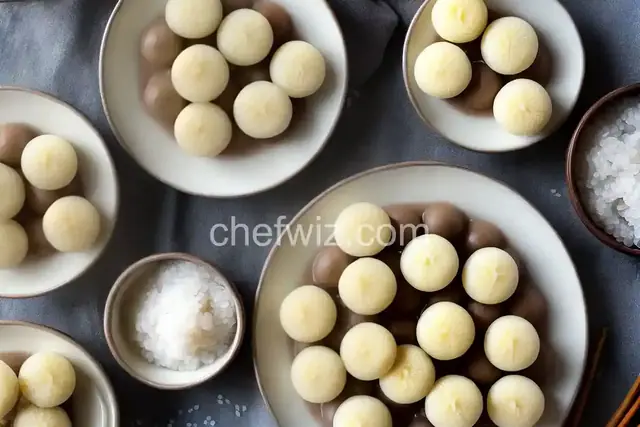
Who doesn't love a delicious sweet treat that brings joy to every occasion? Tang Yuan, also known as Glutinous Rice Balls, is a delightful dessert that has been enjoyed for centuries in Chinese cuisine. These chewy, bite-sized balls are made from glutinous rice flour and can be filled with a variety of sweet fillings like sesame paste, red bean paste, or even chocolate. Whether you're celebrating a festival, hosting a gathering, or simply craving something sweet, Tang Yuan is the perfect choice!
Making Tang Yuan is not just about mixing ingredients; it's an art form that requires patience, precision, and love. The process starts with preparing the dough by mixing glutinous rice flour with water until it forms a smooth and pliable consistency. This dough is then divided into small portions and rolled into balls. The real magic happens when these balls are stuffed with delicious fillings and then cooked in boiling water.
As the Tang Yuan cook, they transform into soft, chewy orbs that are a delight to bite into. The fillings burst in your mouth, releasing a symphony of flavors that tantalize your taste buds. The experience of making and eating Tang Yuan is truly a celebration of culinary craftsmanship.
In Chinese culture, Tang Yuan holds deep symbolism and significance. The round shape of Tang Yuan represents unity, togetherness, and family reunion. It is often enjoyed during festivals like the Winter Solstice and the Lantern Festival, where families come together to celebrate and strengthen their bonds. Tang Yuan is believed to bring good luck and prosperity for the coming year, making it a must-have dish during these festive occasions.
Just like the filling inside Tang Yuan, this dessert is a sweet reminder of the love and warmth shared among family and friends. It serves as a delicious expression of gratitude and affection.
What makes Tang Yuan even more special is its versatility. While traditional Tang Yuan are often filled with sesame or red bean paste, modern variations have expanded the possibilities. From chocolate to matcha to fruit flavors, there is a Tang Yuan flavor to suit every palate.
Whether you prefer the classic flavors or crave something more adventurous, Tang Yuan can be enjoyed in various ways. You can serve them in a sweet ginger syrup for a comforting and soothing dessert. Alternatively, you can add them to a warm bowl of sweet soup or even coat them in crushed peanuts for an added crunch. The possibilities are endless!
Tang Yuan, the beloved Chinese dessert, is a treat that embodies tradition, unity, and joy. Its soft and chewy texture, coupled with the burst of sweet fillings, makes it an irresistible delicacy for all ages. Whether you're celebrating a festival or simply indulging in a sweet craving, Tang Yuan is sure to bring happiness to every occasion. So, gather your loved ones, roll up your sleeves, and embark on a culinary adventure with Tang Yuan!
A1: It's best to consume Tang Yuan immediately after cooking. However, if you have leftovers, you can store them in an airtight container in the refrigerator for up to three days. Reheat them gently in boiling water before serving.
A2: Yes, you can freeze uncooked Tang Yuan. Place them on a baking sheet lined with parchment paper and freeze until firm. Once frozen, transfer them to a freezer-safe bag or container. When ready to cook, boil them directly from frozen, adding a few extra minutes to the cooking time.
A3: Yes, you can make gluten-free Tang Yuan by using glutinous rice flour that is labeled as gluten-free. Be sure to check the packaging for any cross-contamination warnings if you have severe gluten allergies.
A4: To prevent Tang Yuan from sticking together, make sure to cook them in a large pot of boiling water. Stir gently occasionally to ensure they don't stick to the bottom or to each other. Once cooked, drain them well before serving.
A5: Absolutely! If you're short on time or prefer convenience, you can use store-bought fillings for Tang Yuan. There are a wide variety of fillings available, ranging from traditional options to more unique flavors.
A6: Yes, there are vegan options for Tang Yuan fillings. You can use ingredients like sweetened black sesame paste, mashed sweet potatoes, or even crushed peanuts mixed with sugar for a delightful vegan filling.
A7: Yes, you can add food coloring to the dough to create vibrant Tang Yuan. Whether you want to make them for a special occasion or simply add a pop of color to your dessert, colored Tang Yuan are a fun and eye-catching treat.
A8: While Tang Yuan is traditionally served as a sweet dessert, there are some savory variations as well. In certain regions of China, Tang Yuan is enjoyed in savory broths or soups. These savory Tang Yuan can be filled with ingredients like minced meat or vegetables and are a delightful twist on the classic dessert.
AprilCook, recipe developer and the heart of Chefwiz. More about April