Stuffed Leg of Lamb
Rate this recipeBe the first to rate
 By AprilPublished
 Are you looking for a delicious and impressive dish to serve at your next dinner party?
 By AprilPublished
 Are you looking for a delicious and impressive dish to serve at your next dinner party?
Remove any plastic netting or twine from around the leg of lamb, if present, and open up the roast on a cutting board.
Place the boned side of the roast facing up and use a sharp paring knife to trim away any excess fat.
Using a sharp knife, make 1/2-inch deep slits in the meat about 2 inches apart to help it lie flat.
Cover the meat with a sturdy piece of plastic wrap or a cut-apart food storage bag.
Pound the meat with a mallet or the edge of a small plate until it is approximately 3/4 inch thick and measures 10 to 14 inches square.
Preheat the oven to 400 degrees F (200 degrees C).
Sprinkle salt and pepper on the upper side of the meat.
Place spinach leaves over the top of the roast, leaving a 1/2-inch border around the edges.
Break up the goat cheese and evenly sprinkle it over the spinach, followed by the pine nuts.
Roll the roast up tightly into a cylinder and tie it together with kitchen twine at 2-inch intervals. Some stuffing may protrude from the sides, which is fine.
In a flat dish, combine the flour, 1 tablespoon of salt, 1 tablespoon of pepper, thyme, and fennel seeds.
Press the tied roast firmly into the flour mixture,
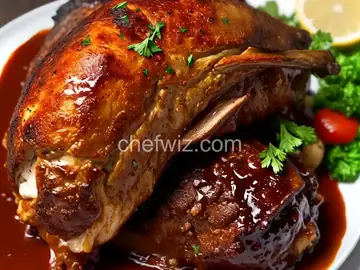
Are you looking for a delicious and impressive dish to serve at your next dinner party? Look no further than a stuffed leg of lamb. This mouthwatering dish is not only visually stunning but also packed with incredible flavors that will leave your guests begging for seconds. In this article, we will explore the art of preparing and cooking a stuffed leg of lamb, guiding you through each step to ensure a successful and memorable culinary experience.
Before we dive into the cooking process, let's talk about the star of the show - the stuffing. The stuffing is what takes this dish to the next level, infusing the meat with incredible flavors and textures. Think of it as the secret ingredient that will elevate your dish from ordinary to extraordinary. You can get creative with your stuffing, using a variety of ingredients such as herbs, spices, vegetables, and even fruits to add depth and complexity. The possibilities are endless, allowing you to customize the stuffing to suit your taste preferences and dietary needs.
When it comes to selecting the ingredients for your stuffing, the key is to choose flavors that complement the lamb. Fresh herbs like rosemary, thyme, and mint work wonderfully, adding a fragrant aroma to the dish. For a burst of sweetness, consider adding dried fruits such as cranberries or apricots. And for a touch of earthiness, mushrooms are an excellent addition. Remember, the secret to a successful stuffing lies in the balance of flavors, so don't be afraid to experiment and find the combination that tantalizes your taste buds.
Now that you have your stuffing ready, it's time to prepare the lamb. Start by deboning the leg of lamb, creating a pocket for the stuffing. This can be a daunting task for beginners, but with a sharp knife and a steady hand, you'll be able to tackle it like a pro. Take your time and be patient - the end result will be well worth the effort. Once the lamb is deboned, season it generously with salt and pepper, ensuring that every inch is coated. This will help to enhance the natural flavors of the meat and create a delicious crust when cooked.
Now that the lamb is prepped and ready, it's time to cook it to perfection. There are various cooking methods you can choose from, depending on your preference and available equipment. Roasting is the most popular method, as it allows the meat to cook slowly, resulting in a tender and juicy texture. Alternatively, you can opt for grilling or braising, each method offering its own unique flavors and textures. Whichever method you choose, make sure to monitor the internal temperature of the lamb to ensure it reaches the desired level of doneness.
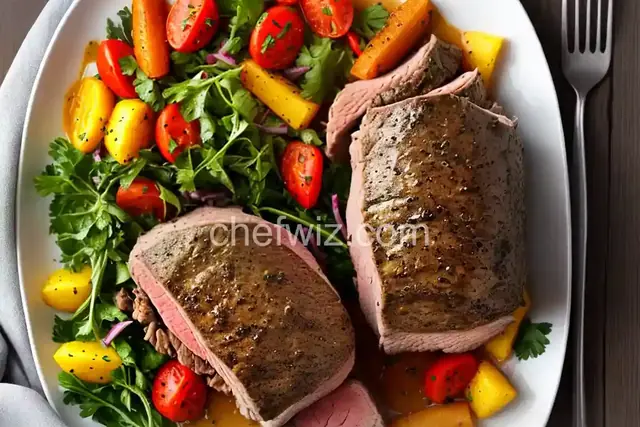
Once the stuffed leg of lamb is cooked to perfection, it's time to serve and enjoy. Slice the lamb into thick, succulent pieces, allowing your guests to marvel at the beautiful stuffing inside. Pair it with your favorite side dishes, such as roasted vegetables or a creamy potato gratin, to complete the meal. As you take your first bite, savor the explosion of flavors in your mouth, and relish in the satisfaction of creating a dish that is not only delicious but also a feast for the eyes.
A stuffed leg of lamb is a show-stopping dish that will impress even the most discerning palates. With the right combination of ingredients, a little patience, and some culinary know-how, you can create a masterpiece that will have your guests talking for years to come. So why wait? Gather your ingredients, roll up your sleeves, and embark on a culinary adventure that will leave you feeling accomplished and your taste buds eternally grateful.
Absolutely! While a leg of lamb is the traditional choice, you can experiment with other meats such as pork or beef.
Yes, you can prepare the stuffing in advance and keep it refrigerated until you're ready to use it. Just make sure to bring it to room temperature before stuffing the lamb.
The cooking time will vary depending on the size of the lamb and the cooking method. As a general rule, aim for an internal temperature of 145°F for medium-rare or 160°F for medium.
Yes, you can freeze the leftover lamb for future enjoyment. Just make sure to wrap it tightly in plastic wrap or aluminum foil before placing it in the freezer.
Some popular side dishes to complement a stuffed leg of lamb include roasted potatoes, steamed asparagus, garlic green beans, or a fresh garden salad.
While cheese can add a creamy and indulgent element to the stuffing, it may not work well with the flavors of the lamb. It's best to stick to traditional stuffing ingredients for the most harmonious combination.
While pre-made stuffing mix can be convenient, it may lack the freshness and complexity of flavors that homemade stuffing provides. We recommend making your own stuffing for the best results.
It's generally best to stuff the lamb just before cooking to ensure the stuffing stays moist and doesn't become soggy. However, if you prefer to prepare it in advance, make sure to refrigerate it and bring it to room temperature before cooking.
AprilCook, recipe developer and the heart of Chefwiz. More about April