Lamb Shank
Rate this recipeBe the first to rate
 By AprilPublished
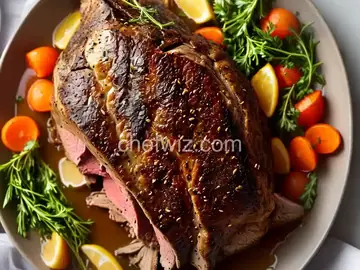
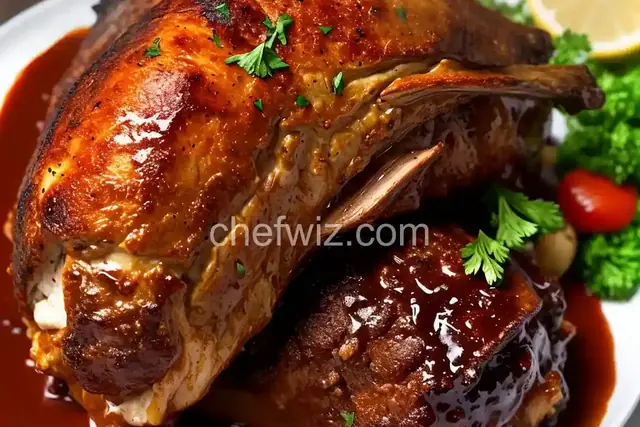
When it comes to hearty and flavorful dishes, few can compare to the succulent and tender lamb shank.
 By AprilPublished
When it comes to hearty and flavorful dishes, few can compare to the succulent and tender lamb shank.
Make cuts in the lamb shank in a criss-cross pattern, about 1 inch apart and 1/2 inch deep. Place the lamb shank in a shallow dish.
In a bowl, combine olive oil, rosemary, thyme, basil, parsley, mint, black pepper, salt, and cayenne pepper. Whisk them together until well mixed. Brush this mixture evenly over the lamb shank. Let the lamb marinate in the refrigerator for at least 1 hour.
Preheat the grill to medium heat and lightly oil the grate.
In a small bowl, mix together the lemon juice and honey until smooth.
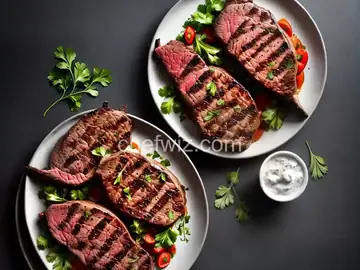
Place the lamb shank on the preheated grill. Baste it every 15 minutes with the lemon juice and honey mixture. Cook until the lamb is browned on the outside and red in the center, about 30 minutes per side. To ensure it is cooked to your desired doneness, use an instant-read thermometer inserted into the center - it should read 125 degrees F (52 degrees C).
If you prefer a different level of doneness, add an additional half hour of cooking time for each degree (e.g., another half hour for medium-rare, an additional hour for medium, etc.).
When it comes to hearty and flavorful dishes, few can compare to the succulent and tender lamb shank. This cut of meat, often overlooked by many, holds the key to a truly satisfying meal. Whether you are a seasoned cook or a beginner in the kitchen, the lamb shank is a versatile and forgiving ingredient that promises a mouthwatering experience. In this article, we will delve into the world of lamb shanks - exploring their origins, cooking techniques, and the myriad of ways to enjoy them.
The lamb shank, as the name suggests, comes from the shank or lower part of a lamb's leg. This cut of meat is known for its rich marbling and connective tissues, which lend it a unique tenderness and depth of flavor. Lamb shanks have been a staple in many traditional cuisines around the world, including Mediterranean, Middle Eastern, and Indian.
Historically, lamb shanks were considered a lesser cut of meat, often reserved for slow-cooking methods due to their toughness. Today, however, they have gained popularity and are celebrated for their melt-in-your-mouth texture and rich taste.
The key to unlocking the full potential of a lamb shank lies in the cooking process. With a little time and patience, you can transform this humble cut into a culinary masterpiece. Braising is the most common method used to cook lamb shanks, as it allows the meat to become tender while infusing it with a myriad of flavors.
Start by searing the lamb shanks in a hot pan to seal in the juices. This step adds a beautiful caramelization and depth to the final dish. Once seared, transfer the shanks to a deep oven-safe pot or Dutch oven. Add aromatic vegetables, such as onions, carrots, and garlic, along with herbs and spices of your choice. Pour in a flavorful liquid, such as broth or red wine, to create a braising liquid that will keep the meat moist and impart a rich taste.
Cover the pot and place it in a preheated oven, allowing the lamb shanks to cook low and slow. The gentle heat will break down the connective tissues and render the meat fork-tender. After a few hours, your lamb shanks will be ready to be served, accompanied by the fragrant braising liquid that has reduced into a luscious sauce.
There are countless ways to enjoy lamb shanks, each offering a unique flavor profile and dining experience. For a classic approach, serve the braised lamb shanks with creamy mashed potatoes or buttery polenta. The tender meat and robust sauce will mingle harmoniously with the smooth texture of the side dish, creating a comforting and satisfying meal.
If you're feeling adventurous, try Moroccan-inspired lamb shanks with couscous and a medley of aromatic spices, or Indian-style lamb shanks simmered in a fragrant curry sauce. The possibilities are endless, limited only by your imagination and culinary preferences.
In conclusion, the lamb shank is a culinary gem that deserves more recognition and appreciation. Its tender and flavorful nature makes it a delight to cook and enjoy. Whether you choose to braise it, slow-cook it, or experiment with different flavor profiles, the lamb shank promises a satisfying and memorable dining experience. So why not give this underrated cut of meat a chance and elevate your next meal to new heights of deliciousness?
The shank comes from the lower part of the lamb's leg, specifically the area below the knee.
While grilling lamb shanks is not a common method, it is possible. However, due to their tough nature, it is recommended to braise or slow-cook them for the best results.
Lamb shanks require a slow and low cooking method. Typically, they are cooked for 2-3 hours in a low-temperature oven to achieve the desired tenderness.
Yes, lamb shanks can be frozen. Ensure they are properly sealed to prevent freezer burn and use within three months for the best quality.
Popular side dishes to accompany lamb shanks include mashed potatoes, polenta, roasted vegetables, or a fresh salad.
While marinating is not necessary, it can enhance the flavor of the lamb shanks. If marinating, allow them to sit in the marinade for at least one hour before cooking.
Absolutely! Lamb shanks are a fantastic addition to stews, adding depth and richness to the dish.
Yes, lamb shanks can be an excellent choice for special occasions. Their impressive presentation, tender texture, and rich flavor make them a standout dish.
AprilCook, recipe developer and the heart of Chefwiz. More about April