Stir-Fried Udon Noodles With Pork and Scallions
Rate this recipeBe the first to rate
 By AprilPublished
 Are you craving a delicious and satisfying meal that's quick to make?
 By AprilPublished
 Are you craving a delicious and satisfying meal that's quick to make?
Heat 1 tablespoon of vegetable oil in a large skillet over medium-high heat. Cook the cabbage, tossing often, until the edges are browned, about 4 minutes.
Reduce the heat to low and continue to cook the cabbage, tossing often, until the thickest parts of the leaves are tender, about 4 minutes longer. Remove from heat and set the skillet aside.
Place the udon noodles in a large heatproof bowl (or pot if you don't have one) and cover with 6 cups of boiling water. Let it sit for 1 minute, stirring to break up the noodles, then drain in a colander. Transfer the noodles back to the bowl and toss with sesame oil. Add the cooked cabbage to the bowl with the noodles.
Wipe out the skillet and heat the remaining 1 tablespoon of vegetable oil in the same skillet over medium-high heat. Add the pork, breaking it up and spreading it across the surface of the pan with a spatula or tongs. Cook the pork, undisturbed, until the underside is brown, about 3 minutes.
Once the pork is browned, break it up into small bits and cook, tossing, just until there's no more pink, about 1 minute. Add the chopped scallions (the pale parts), ginger, and red pepper. Continue to cook, tossing often, until the scallions are softened and the bottom of the
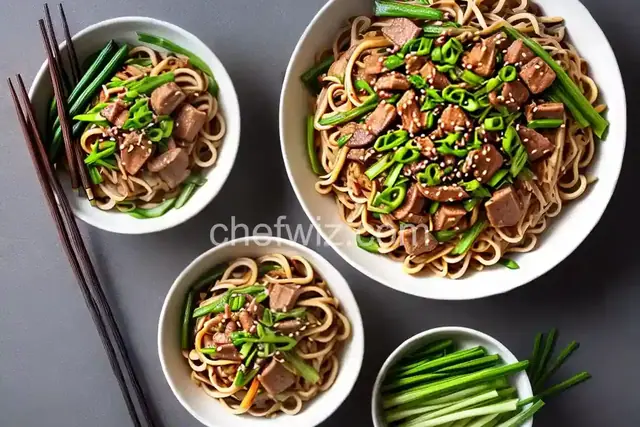
Are you craving a delicious and satisfying meal that's quick to make? Look no further than stir-fried udon noodles with pork and scallions. This flavorful dish combines tender udon noodles, savory pork, and fresh scallions, creating a mouthwatering blend of flavors and textures. Whether you're a seasoned cook or a beginner in the kitchen, this recipe is sure to impress.
Let's start by discussing the secret to achieving perfectly cooked stir-fried udon noodles. The key lies in properly preparing the noodles before stir-frying them. Unlike other types of noodles, udon noodles are thicker and chewier, requiring a slightly different cooking method.
Before you begin stir-frying, cook the udon noodles according to the package instructions. Once cooked, rinse them under cold water to remove excess starch and prevent them from sticking together. Toss the noodles with a bit of oil to keep them from clumping, ensuring that they remain wonderfully separate during the stir-frying process.
The success of any stir-fry dish depends on selecting the freshest and highest-quality ingredients. When it comes to stir-fried udon noodles with pork and scallions, it's essential to choose tender cuts of pork and vibrant, crisp scallions. These ingredients will add depth and flavor to the dish, making each bite a delight.
Stir-frying is an art in itself. It involves high heat, quick cooking, and constant movement. This method allows the ingredients to retain their vibrant colors, flavors, and nutrients, resulting in a dish that's both visually appealing and delicious.
To achieve the perfect stir-fry, heat your wok or skillet over high heat until it's smoking hot. Add a tablespoon of oil and swirl it around to coat the surface. Add the marinated pork, allowing it to sear and develop a rich, caramelized exterior. Next, toss in the scallions and stir-fry for a minute until they become fragrant and slightly wilted.
To elevate the flavors of your stir-fried udon noodles, it's crucial to add delicious sauces. A combination of soy sauce, oyster sauce, and a hint of sesame oil will infuse the dish with a savory umami taste. These sauces will coat the noodles and pork, ensuring that each mouthful is bursting with flavor.
Stir-fried udon noodles with pork and scallions are not only delicious but also versatile. Whether you're cooking for a family dinner or hosting a dinner party, this dish is perfect for any occasion. It can be served as a main course or as a side dish, complementing a wide variety of other Asian-inspired dishes.
In conclusion, stir-fried udon noodles with pork and scallions are a delightful and easy-to-make meal that will leave you craving more. Remember to properly prepare the udon noodles, choose high-quality ingredients, and master the art of stir-frying. With these tips in mind, you'll be able to create a dish that's both visually stunning and incredibly delicious.
Yes, you can easily substitute chicken for pork in this recipe. Simply follow the same steps, replacing the pork with bite-sized pieces of chicken breast or thigh.
Traditional udon noodles are made from wheat flour, so they are not gluten-free. However, you can find gluten-free udon noodles made from alternative flours, such as rice or buckwheat.
Absolutely! Feel free to add your favorite vegetables, such as bell peppers, carrots, or snap peas, to enhance the nutritional value and add extra color to the dish.
The spice level of this dish can be adjusted according to your preference. If you enjoy a bit of heat, you can add chili flakes or a drizzle of Sriracha sauce. Alternatively, you can omit the spicy elements altogether.
Absolutely! You can easily make this dish vegetarian by omitting the pork and adding tofu or tempeh instead. The flavors and textures will still be delicious.
While fresh udon noodles are recommended for this recipe, you can use dried udon noodles as a substitute. Just be sure to follow the package instructions for cooking and adjust the cooking time accordingly.
This dish is best served immediately after cooking to ensure the noodles remain chewy and the flavors are at their peak. However, you can prepare the ingredients ahead of time and stir-fry them just before serving.
While it's possible to freeze leftovers, the texture of the noodles may change slightly upon thawing and reheating. For the best results, it's recommended to enjoy this dish fresh.
AprilCook, recipe developer and the heart of Chefwiz. More about April