Steamed Pork-and-Mushroom Shumai
Rate this recipeBe the first to rate
 By AprilPublished
 Have you ever tried the delectable flavors of steamed pork-and-mushroom shumai?
 By AprilPublished
 Have you ever tried the delectable flavors of steamed pork-and-mushroom shumai?
Peel the ginger by scraping it with a spoon, then grate 1 tablespoon.
Finely chop the mushrooms after removing the stems.
In a large bowl, combine the grated ginger, chopped mushrooms, scallion, pork, soy sauce, rice wine, sesame oil, cornstarch, salt, and pepper.
Mix the ingredients well with your hands until everything is incorporated.
To form the dumplings:
Place a damp paper towel over the wonton wrappers to prevent them from drying out.
Take one wrapper and brush it with beaten egg.
Create a circle with your thumb and index finger, then place the wrapper on top and press it down to form a cup shape.
Add 2 teaspoons of the filling and pat it down with the back of a spoon.
Fold the overhanging wrapper edges down, leaving the filling exposed.
Firmly press the wrapper around the filling and flatten the top and bottom of the dumpling.
Repeat the process to make the remaining dumplings.
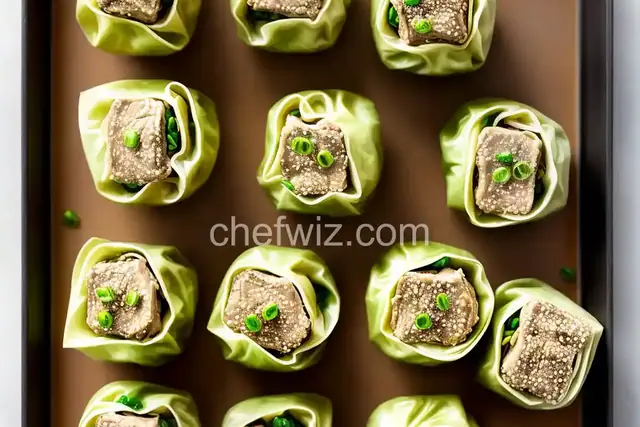
Optionally, top each dumpling with a dried goji berry or a frozen pea and carrot.
To steam the dumplings:
Cut out a round piece of parchment paper that fits the bamboo steamer and punch holes in it to allow steam to pass through.
Line the steamer with the parchment paper and brush it with vegetable oil.
Arrange the dumplings
Have you ever tried the delectable flavors of steamed pork-and-mushroom shumai? If not, get ready to embark on a culinary adventure that will tantalize your taste buds. This article will introduce you to the delightful world of dim sum and shed light on the secrets behind making perfect shumai. So, let's dive in!
Dim sum, originating from the Guangdong province of China, has gained popularity worldwide for its bite-sized, flavorful dishes. It is often served in traditional bamboo steamers and enjoyed with family and friends. The variety of dim sum dishes is vast, ranging from dumplings to buns, rolls to cakes. Among these, shumai stands out as a favorite.
Shumai, also known as siu mai, is a type of Chinese dumpling that is steamed to perfection. These bite-sized delicacies are typically made with a savory filling, wrapped in a thin, translucent dough, and garnished with a variety of toppings. The filling usually consists of minced pork, mushrooms, and a combination of seasonings that elevate the flavors.
Making shumai is like crafting a miniature masterpiece. Each step requires precision and attention to detail. From preparing the filling to wrapping it in the dough, every action contributes to the final result. The process may seem a bit daunting at first, but with practice, you'll soon become a shumai expert.
Now that you're familiar with the allure of dim sum and the bite-sized delight that shumai offers, let's dive into the secrets behind making perfect shumai:
Shumai filling is all about balance. The combination of minced pork and mushrooms creates a rich and savory taste. The seasonings, such as soy sauce, sesame oil, and ginger, add depth and aroma to the filling. Achieving the perfect balance of flavors is crucial to creating a memorable shumai experience.
Wrapping shumai is an art form in itself. The dough needs to be thin and pliable, allowing the filling to shine through. The traditional pleated shape adds not only visual appeal but also ensures that the filling is securely enclosed. With practice, you'll master the technique and create shumai that are as beautiful as they are delicious.
Steaming is the cooking method that brings out the best in shumai. It allows the flavors to meld together while keeping the dumplings moist and tender. The gentle heat of the steam cooks the shumai evenly, resulting in a perfect texture. Be sure not to overcook them, as they may become rubbery.
A1: Absolutely! While the traditional filling consists of pork and mushrooms, you can experiment with various ingredients like shrimp, chicken, or even vegetables to create your own unique flavors.
A2: Shumai can be a bit challenging to make at first, but with practice and patience, you'll soon master the art of wrapping and steaming them to perfection.
A3: Yes, you can freeze shumai before steaming them. Place them on a baking sheet lined with parchment paper, freeze until firm, and then transfer to a freezer-safe container. Steam them directly from frozen when you're ready to enjoy.
A4: To prevent sticking, line the steamer with cabbage leaves, parchment paper, or lettuce. This creates a barrier between the shumai and the steamer, ensuring they come out perfectly without sticking.
A5: Absolutely! You can assemble the shumai ahead of time and store them in the refrigerator until you're ready to steam them. This makes them a convenient choice for entertaining guests.
A6: Shumai pairs well with a variety of dipping sauces, such as soy sauce, chili oil, or a combination of soy sauce, vinegar, and sesame oil. Feel free to experiment and find your favorite flavor combination.
A7: If you don't have a steamer, you can use a makeshift steamer by placing a heatproof plate or a metal colander inside a large pot. Add water to the pot, ensuring it doesn't touch the plate or colander, and steam the shumai on top.
A8: To reheat leftover shumai, simply steam them for a few minutes until heated through. Be careful not to oversteam, as they can become dry.
In conclusion, steamed pork-and-mushroom shumai are a delightful dim sum dish that offers a burst of flavors in every bite. With the secrets to making perfect shumai and the answers to common FAQs, you're now equipped to embark on your own culinary adventure. So, gather your ingredients, hone your wrapping skills, and indulge in the joy of creating and savoring this bite-sized delicacy.
AprilCook, recipe developer and the heart of Chefwiz. More about April