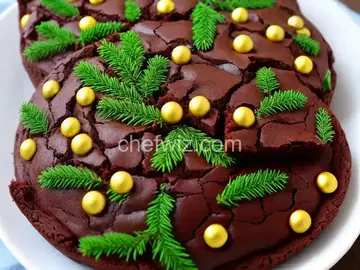
Stained Glass Windows
Rate this recipeBe the first to rate
 By AprilPublished
 Have you ever been captivated by the mesmerizing colors and intricate designs of stained glass windows?
 By AprilPublished
 Have you ever been captivated by the mesmerizing colors and intricate designs of stained glass windows?
In a saucepan, melt the butter and chocolate chips together over low heat.
Allow the mixture to cool slightly before adding the walnuts and marshmallows. Stir everything together.
Set the mixture aside and let it cool completely.
Spread the coconut onto a sheet of waxed paper.
Divide the cooled dough into two equal portions.
Shape each portion into a long roll.
Coat the rolls with the coconut, pressing it gently onto the surface.
Wrap each roll tightly in waxed paper, and then wrap them again in plastic wrap.
Place the wrapped rolls in the refrigerator overnight or for a longer period if desired.
When ready to serve, remove the rolls from the refrigerator and unwrap them.
Cut the rolls into slices that are about 1/2 inch thick.
Serve and enjoy!
Have you ever been captivated by the mesmerizing colors and intricate designs of stained glass windows? These magnificent works of art can be found in churches, cathedrals, and even modern buildings, adding a touch of elegance and spirituality to any space. In this article, we will delve into the world of stained glass windows, exploring their history, symbolism, and the painstaking process of creating these masterpieces.
Stained glass has a rich history that dates back centuries. Its origins can be traced to ancient Egypt, where colored glass was used to adorn jewelry and small decorative objects. However, it was during the medieval period that stained glass truly flourished. In Gothic cathedrals, large stained glass windows were crafted to tell biblical stories, allowing illiterate worshippers to visually experience the teachings of the church.
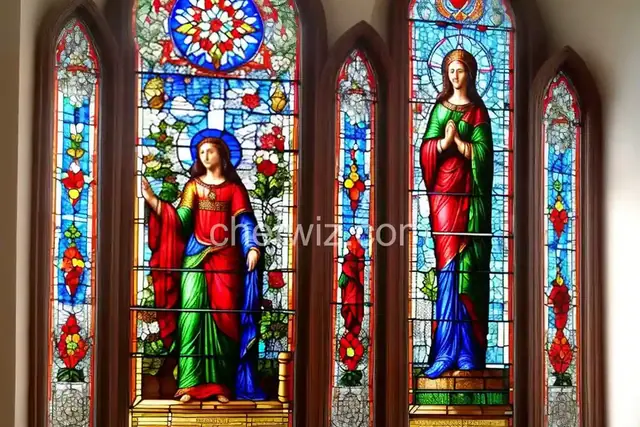
Stained glass windows are not only visually stunning; they are also laden with symbolism. The vibrant colors and intricate patterns are carefully chosen to convey specific meanings. For example, red often represents the blood of Christ, while blue signifies the Virgin Mary. The use of light and shadow also adds depth and drama to the artwork, evoking a sense of awe and wonder.
Creating a stained glass window is a labor-intensive process that requires skill, patience, and attention to detail. It begins with the design, which is meticulously drawn on paper or digitally. The next step is selecting the glass, which comes in a variety of colors and textures. The glass is then cut into individual pieces, known as "tesserae," before being carefully arranged and soldered together.
Once the window is assembled, the true magic happens when light shines through the colorful glass. The interplay between light and glass creates a dazzling display of colors, casting vibrant hues across the surrounding space. This ethereal beauty is why stained glass windows are often described as "living paintings."
Stained glass windows not only enhance the aesthetic appeal of a building, but they also have a profound impact on the atmosphere within. The warm glow of sunlight filtering through the glass creates a serene and contemplative ambiance, inviting worshippers and visitors to pause, reflect, and connect with something greater than themselves.
Creating a stained glass window can take anywhere from several weeks to several months, depending on the complexity of the design and the size of the window.
Yes, stained glass windows can be repaired. Skilled artisans can carefully remove damaged or deteriorated pieces and replace them with new glass, ensuring that the original design is preserved.
While stained glass windows are commonly associated with churches, they can also be found in other buildings, such as museums, government buildings, and private residences.
Cleaning stained glass windows requires a delicate touch. It is best to use a soft cloth or sponge and a mild glass cleaner. Harsh chemicals or abrasive materials should be avoided to prevent damage to the glass.
Modern stained glass windows are designed to withstand a range of weather conditions. However, extreme weather events, such as hailstorms or hurricanes, can pose a risk to the glass. Proper maintenance and occasional inspections are recommended to ensure their longevity.
The cost of a stained glass window can vary greatly depending on factors such as size, design complexity, and the type of glass used. Custom-made windows tend to be more expensive than mass-produced ones.
Absolutely! Stained glass windows can be customized to suit individual preferences and design requirements. Skilled artisans can create unique designs that reflect the client's vision and personal taste.
There are numerous famous stained glass windows around the world. Some notable examples include the Rose Window at Notre-Dame de Paris, the windows of Sainte-Chapelle in Paris, and the Tiffany stained glass windows at the Metropolitan Museum of Art in New York City.
In conclusion, stained glass windows are not just mere decorations; they are magnificent works of art that have stood the test of time. From their origins in ancient Egypt to their prominence in medieval cathedrals, these windows continue to captivate and inspire. The artistry, symbolism, and sheer beauty of stained glass make them a kaleidoscope of wonder, inviting us to marvel at the interplay of light and color. Whether found in a sacred space or a contemporary building, stained glass windows truly add a touch of magic to any environment.
AprilCook, recipe developer and the heart of Chefwiz. More about April