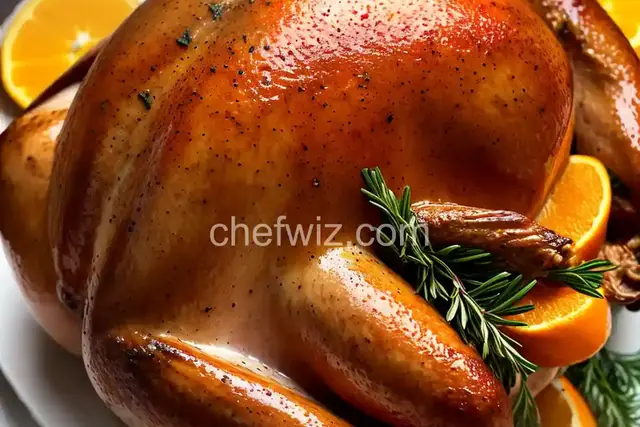
Thanksgiving is just around the corner, and what better way to impress your guests than with a succulent spatchcock turkey infused with the flavors of anise and orange? This unique twist on a classic dish will have everyone asking for seconds.
What is Spatchcocking?
If you've never heard of spatchcocking before, it's a cooking technique that involves removing the backbone of a poultry bird to flatten it out. This method not only reduces the cooking time but also ensures even cooking throughout the bird. The result? Crispy skin and juicy meat.
The Benefits of Spatchcocking
By spatchcocking your turkey, you're allowing the heat to penetrate the meat more evenly, resulting in a juicy and tender bird. The flattened turkey also cooks faster, which means less time in the oven and more time spent with your loved ones.
Flavor Infusion
Now, let's talk about the star of the show – the anise and orange flavor infusion. Anise, with its unique licorice-like taste, adds a delightful aroma and depth to the turkey. Combined with the zesty freshness of orange, it creates a harmonious balance of flavors that will leave your taste buds dancing.
Preparing the Turkey
Before you start, make sure you have a fresh, high-quality turkey. Begin by removing the backbone using a sharp pair of kitchen shears. Next, gently press down on the breastbone to flatten the turkey. This will help it cook more evenly and ensure juicy meat.
The Anise and Orange Rub
To create the anise and orange rub, combine anise seeds, orange zest, salt, and pepper in a small bowl. Rub this mixture all over the turkey, making sure to get into every nook and cranny. Allow the turkey to marinate in the refrigerator for at least 2 hours or overnight for maximum flavor.
Cooking the Turkey
Preheat your oven to 400°F (200°C) and place the marinated turkey on a roasting rack in a large roasting pan. Cook for approximately 15 minutes per pound or until the internal temperature reaches 165°F (75°C) when tested with a meat thermometer.
In Conclusion
Spatchcocking a turkey and infusing it with anise and orange is a surefire way to elevate your Thanksgiving feast. The juicy, flavorful meat and crispy skin will have your guests coming back for more. So, why not give it a try and create a memorable holiday meal that will be talked about for years to come?
Frequently asked questions
- . Can I use a different spice instead of anise?
Absolutely! Feel free to experiment with different spices that complement turkey, such as thyme, rosemary, or sage. The key is to find flavors that you enjoy.
- . Can I substitute orange with another citrus fruit?
Of course! Lemons, limes, or even grapefruits can work as excellent alternatives. Each citrus fruit will lend its unique tanginess to the turkey.
- . How long should I let the turkey marinate?
For the best results, marinate the turkey for at least 2 hours. However, if you have the time, letting it marinate overnight will intensify the flavors.
- . Can I use this spatchcocking technique for other poultry?
Absolutely! Spatchcocking works well with chickens, ducks, and even Cornish hens. Just adjust the cooking time accordingly.
- . Do I need to baste the turkey while cooking?
Basting is optional. However, if you prefer a crispy skin, avoid opening the oven door too often. The heat will circulate evenly, resulting in a perfectly golden-brown skin.
- . Can I use this recipe for a vegetarian alternative?
Unfortunately, this recipe is specifically designed for turkey. However, you can experiment with similar flavors on vegetarian alternatives, such as roasted cauliflower or tofu.
- . How can I ensure the turkey is cooked through?
Using a meat thermometer is the best way to ensure your turkey is fully cooked. Insert the thermometer into the thickest part of the thigh, and once it reaches 165°F (75°C), your turkey is ready to be enjoyed.
- . Can I use this recipe for a smaller turkey?
Absolutely! Just adjust the cooking time accordingly. As a general rule, cook the turkey for approximately 15 minutes per pound.
 By AprilPublished