Southern Mustard Greens
Rate this recipeBe the first to rate
 By AprilPublished
 When it comes to Southern cuisine, there are a few staple dishes that immediately come to mind.
 By AprilPublished
 When it comes to Southern cuisine, there are a few staple dishes that immediately come to mind.
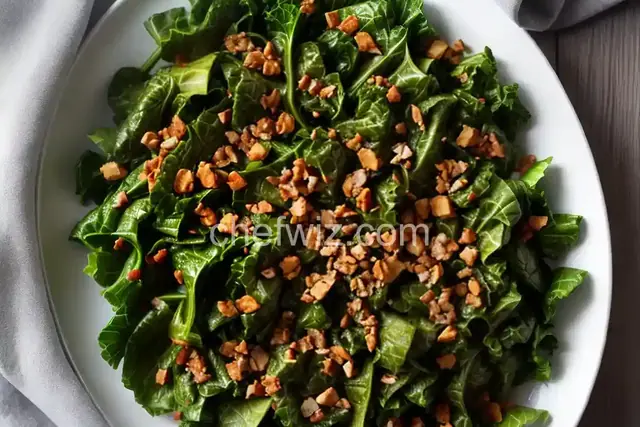
Place the bacon in a large, wide pot and cook over medium heat until the fat starts to melt and the bacon turns light golden, approximately 5 minutes.
Add the onions to the pot and cook, stirring occasionally, until they become softened, about 5 minutes.
Gradually add the mustard greens to the pot in batches, allowing each batch to wilt before adding the next.
Pour in the chicken broth, vinegar, 1/2 teaspoon of salt, and a few grinds of pepper.
Increase the heat to medium-high and bring the mixture to a boil.
Once boiling, reduce the heat to low and cover the pot. Allow the greens to cook until they become very tender, approximately 20 to 25 minutes.
Season with additional salt and pepper to taste.
Serve the dish with hot sauce on the side.
When it comes to Southern cuisine, there are a few staple dishes that immediately come to mind. Fried chicken, cornbread, and collard greens are just a few examples. But there's one leafy green that often gets overlooked - mustard greens. These vibrant, peppery greens are a must-try for any food lover, and they deserve a place on your plate. In this article, we'll explore the wonders of Southern mustard greens and why they should be a part of your culinary repertoire.
One of the great things about mustard greens is their versatility. They can be enjoyed raw in salads, sautéed as a side dish, or even used as a filling in savory pies. Their bold flavor adds a kick to any dish and pairs well with a variety of ingredients.
Imagine a plate of tender mustard greens, sautéed with garlic and onions, and topped with a sprinkle of red pepper flakes. The result is a mouthwatering dish that combines heat, tanginess, and earthiness. It's a flavor explosion that will leave your taste buds begging for more.
Not only are mustard greens delicious, but they're also incredibly nutritious. Like other leafy greens, they are packed with vitamins and minerals that are essential for your health. They are particularly high in vitamins A, C, and K, as well as folate and fiber.
Adding mustard greens to your diet can help boost your immune system, support healthy digestion, and promote bone health. They are also low in calories and high in antioxidants, making them a great choice for weight management and overall well-being.
Preparing mustard greens is quick and easy. Start by washing the leaves thoroughly to remove any dirt or debris. Then, remove the tough stems and tear the leaves into bite-sized pieces. From there, you can cook them in a variety of ways.
For a simple sautéed dish, heat some olive oil in a pan and add minced garlic and sliced onions. Once they are fragrant and slightly caramelized, add the torn mustard greens and cook until wilted. Season with salt, pepper, and a squeeze of lemon juice for a burst of freshness.
Mustard greens can be found at most grocery stores, especially those with a diverse selection of produce. Look for vibrant, crisp leaves that are free of blemishes. If you have access to a farmer's market, you may be able to find locally grown mustard greens, which are even fresher and more flavorful.
Alternatively, consider growing your own mustard greens. They are relatively easy to cultivate and can be grown in containers or in a garden bed. Plant the seeds in well-drained soil and keep them watered. In a few weeks, you'll have a fresh supply of mustard greens right at your fingertips.
If you're looking to expand your culinary horizons and try something new, Southern mustard greens are a fantastic choice. Their bold flavor, versatility, and health benefits make them a perfect addition to any meal. Whether you enjoy them raw, sautéed, or in a creative dish, mustard greens are sure to impress. So, next time you're at the grocery store, grab a bunch of mustard greens and get cooking!
Answer: To store mustard greens, wrap them loosely in a damp paper towel and place them in a plastic bag. They will stay fresh in the refrigerator for up to five days.
Answer: Yes, you can freeze mustard greens. Blanch them in boiling water for a few minutes, then transfer them to an ice bath to cool. Once they are completely cooled, drain them and place them in freezer bags. They will keep for up to six months in the freezer.
Answer: Mustard greens have a peppery flavor that can range from mild to spicy, depending on the variety and how they are prepared.
Answer: Yes, mustard greens can be eaten raw. They add a delicious crunch and a peppery kick to salads.
Answer: Yes, mustard greens can be used as a substitute for collard greens in most recipes. Just keep in mind that they have a slightly different flavor profile.
Answer: While mustard greens are commonly associated with Southern cuisine, they are enjoyed in various cuisines around the world, including Indian, Chinese, and African cuisines.
Answer: The stems of mustard greens are edible but can be tough and fibrous. If using them, make sure to cook them longer than the leaves to ensure they are tender.
Answer: Yes, mustard greens are a good source of calcium, which is essential for bone health. In fact, they contain more calcium than most other leafy greens.
AprilCook, recipe developer and the heart of Chefwiz. More about April