Soondubu Jjigae (Korean Soft Tofu Stew) Recipe
Rate this recipeBe the first to rate
 By AprilPublished
 Are you ready to embark on a culinary adventure that will tantalize your taste buds and warm your soul?
 By AprilPublished
 Are you ready to embark on a culinary adventure that will tantalize your taste buds and warm your soul?
Combine kombu and anchovies (if using) in a pot and cover with 1 quart of water.
Bring the mixture to a simmer and then remove from heat.
Let it stand for 5 minutes, and then strain the mixture, discarding the solids and reserving the broth.
Drain the kimchi using a fine mesh strainer set over a small bowl, squeezing to remove excess liquid.
Roughly chop the kimchi and set aside the kimchi and juice separately.
Heat oil in a stone dolsot or saucepan over medium-high heat until it shimmers.
Add pork belly and cook, stirring constantly, until it is just cooked through (about 1 minute).
Add scallion whites, garlic, and chopped kimchi. Continue cooking and stirring constantly until fragrant (about 1 minute).
Pour in the kimchi juice, gochujang, and soy sauce. Cook until the vegetables are evenly coated in the sauce.
Add the strained broth, kochukaru, and tofu. Gently stir and heat until boiling.
Taste and season with more kochukaru or soy sauce if desired.
Remove from heat and crack in the eggs. Sprinkle with scallion greens.
Serve immediately while it's still boiling, gently stirring the eggs into the broth.
Are you ready to embark on a culinary adventure that will tantalize your taste buds and warm your soul? Look no further than Soondubu Jjigae, a delightful Korean soft tofu stew that packs a punch of flavor. This fiery and comforting dish is sure to become a favorite in your repertoire.
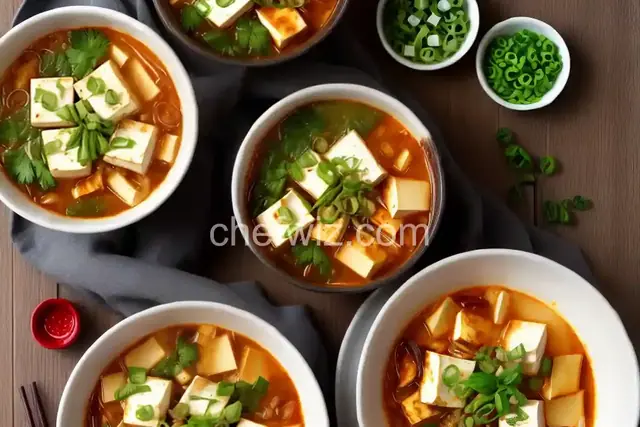
Imagine a steaming bowl of silky, soft tofu swimming in a robust and spicy broth. The combination of flavors and textures in Soondubu Jjigae is truly magical. It's like a symphony of ingredients, coming together to create a harmonious and satisfying experience for your palate.
What sets Soondubu Jjigae apart from other stews is the star ingredient - soft tofu. This delicate tofu has a custard-like consistency that melts in your mouth, making it the perfect canvas for all the bold flavors that dance around it. Whether you're a tofu lover or a skeptic, Soondubu Jjigae will convert you into a true tofu enthusiast.
The secret behind the incredible taste of Soondubu Jjigae lies in its carefully curated ingredients. The broth is made from a combination of gochujang (Korean chili paste), gochugaru (Korean chili flakes), soy sauce, and a variety of aromatics, such as garlic, ginger, and green onions. This fiery base infuses the tofu and other ingredients with a rich and complex flavor profile.
Speaking of ingredients, Soondubu Jjigae is a versatile dish that can be customized to suit your taste preferences. Whether you prefer seafood, beef, pork, or vegetables, you can add your favorite protein or veggies to make this stew truly your own. The possibilities are endless!
One of the things that make Soondubu Jjigae so special is its ability to strike the perfect balance between heat, richness, and comfort. The spiciness of the chili paste and flakes is tempered by the creamy tofu, creating a harmonious blend of flavors. It's like a warm hug on a chilly day - soothing, comforting, and invigorating all at once.
Soondubu Jjigae is not just a meal; it's an experience. From the moment you take your first spoonful, you'll be transported to the bustling streets of Seoul, where food is not just sustenance but a celebration of life. It's a dish that brings people together, igniting conversations and creating lasting memories.
Soondubu Jjigae is a culinary adventure that everyone should embark on. Its fiery and comforting flavors, combined with the delicate texture of soft tofu, make it a truly remarkable dish. Whether you're a spice lover or a tofu skeptic, this Korean delight will win you over with its alluring taste and heartwarming qualities. So gather your ingredients, ignite your stove, and get ready to experience a bowl of Soondubu Jjigae that will transport you to the vibrant streets of Korea.
While tofu is the star of the show in Soondubu Jjigae, you can certainly make variations of this stew without it. You can substitute tofu with other proteins like beef, pork, or seafood. The key is to ensure that the broth is flavorful and spicy to capture the essence of this beloved Korean dish.
Yes, Soondubu Jjigae can be made vegetarian-friendly by omitting meat and seafood and using vegetable broth instead. You can load it with an array of vegetables like mushrooms, zucchini, carrots, and spinach to create a hearty and delicious vegetarian version.
Soondubu Jjigae is known for its spicy kick, thanks to the gochujang and gochugaru. However, you can adjust the spiciness to your liking. If you prefer a milder version, reduce the amount of chili paste and flakes. Likewise, if you're a spice enthusiast, feel free to crank up the heat!
While it's best to enjoy Soondubu Jjigae fresh, you can freeze leftovers for later. However, keep in mind that the texture of the tofu might change slightly upon thawing. It's still delicious, but the tofu may become a bit firmer.
Soondubu Jjigae is best enjoyed immediately after cooking to savor the flavors at their peak. However, you can prepare the broth in advance and refrigerate it. When you're ready to serve, simply reheat the broth and add the tofu and other ingredients for a quick and satisfying meal.
If you have any leftover Soondubu Jjigae, store it in an airtight container in the refrigerator. It will stay fresh for up to 3-4 days. When reheating, add a splash of water or broth to thin out the stew as it may thicken in the fridge.
While the authentic flavors of Soondubu Jjigae come from Korean ingredients like gochujang and gochugaru, you can still create a delicious version using substitutes. For example, you can use sriracha or another chili paste instead of gochujang, and regular chili flakes instead of gochugaru. The result may not be exactly the same, but it will still be enjoyable.
Soondubu Jjigae is a complete meal on its own, but you can serve it with a side of steamed rice or kimchi for a more satisfying experience. The rice helps to balance out the spice and adds a comforting element to the meal, while the tangy kimchi complements the flavors of the stew.
AprilCook, recipe developer and the heart of Chefwiz. More about April