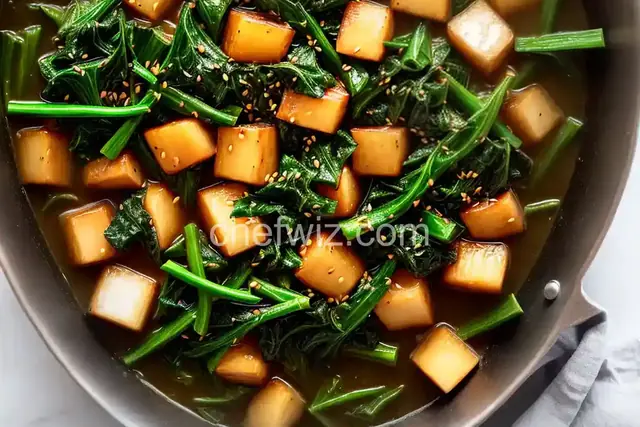
Sautéed Japanese (Hakurei) Turnips With Turnip Greens Recipe
Have you ever tried sautéed Japanese turnips? They are a delightful and versatile vegetable that can add a unique flavor to your meals. In this article, we will explore a simple and delicious recipe for sautéed Japanese turnips with turnip greens. Get ready to tantalize your taste buds!
What are Japanese turnips?
Japanese turnips, also known as Hakurei turnips, are a variety of turnips that originated in Japan. These turnips are smaller in size compared to the traditional turnips you may be familiar with. They have a mild and sweet flavor, making them perfect for sautéing.
Why sauté Japanese turnips?
Sautéing Japanese turnips brings out their natural sweetness and enhances their flavor. The process of sautéing involves cooking the turnips in a hot pan with a small amount of oil until they become tender and slightly caramelized. This method preserves the delicate texture and flavor of the turnips, making them a delicious addition to any meal.
How to sauté Japanese turnips?
Sautéing Japanese turnips is a simple and quick process. Start by trimming the greens from the turnips, as they can be cooked separately. Then, heat some oil in a pan over medium heat. Add the turnips to the pan and cook them for a few minutes until they start to brown. Flip them over and continue cooking until they are tender. Season with salt and pepper to taste. That's it! Your sautéed Japanese turnips are ready to be enjoyed.
What can I serve with sautéed Japanese turnips?
Sautéed Japanese turnips can be served as a side dish or incorporated into various recipes. You can add them to salads for an extra crunch, toss them with pasta for a flavorful twist, or serve them alongside roasted meats for a balanced meal. The possibilities are endless!
Where can I buy Japanese turnips?
Japanese turnips can be found in well-stocked grocery stores, farmers markets, or specialty Asian markets. Look for turnips that are firm, smooth, and free from blemishes. The greens should be fresh and vibrant.
Can I eat the turnip greens?
Absolutely! The greens of Japanese turnips are edible and packed with nutrients. They have a slightly bitter taste, similar to mustard greens or kale. You can cook them separately by sautéing or steaming, or you can include them in your sautéed turnip dish for added flavor and texture.
Are sautéed Japanese turnips healthy?
Yes, sautéed Japanese turnips are a healthy choice. They are low in calories and fat, making them a great addition to a balanced diet. They are also a good source of vitamins and minerals, including vitamin C, potassium, and calcium. Plus, the turnip greens provide additional nutritional benefits.
Can I store sautéed Japanese turnips?
Sautéed Japanese turnips can be stored in an airtight container in the refrigerator for up to three days. When reheating, gently warm them in a pan over low heat to preserve their texture and flavor.
Conclusion
Sautéed Japanese turnips with turnip greens are a delicious and healthy addition to your meals. The sweet and tender turnips, combined with the slightly bitter greens, create a delightful flavor combination. Whether you serve them as a side dish or incorporate them into your favorite recipes, sautéed Japanese turnips are sure to impress your taste buds. So why not give them a try?
Frequently asked questions
- Can I use regular turnips instead of Japanese turnips?
While regular turnips can be used as a substitute, they have a stronger flavor and may not yield the same delicate and sweet taste as Japanese turnips.
- Are Japanese turnips organic?
Japanese turnips can be found in both organic and conventional varieties. It's always a good idea to check the packaging or ask the seller for more information.
- Can I freeze sautéed Japanese turnips?
It is not recommended to freeze sautéed Japanese turnips as they may lose their texture and become mushy upon thawing.
- Can I use the turnip greens in other recipes?
Yes! The turnip greens can be used in salads, soups, stir-fries, or even blended into a nutritious green smoothie.
- What other seasonings can I add to sautéed Japanese turnips?
You can experiment with various seasonings such as garlic, ginger, soy sauce, or balsamic vinegar to enhance the flavor of your sautéed Japanese turnips.
- Can I sauté Japanese turnips with other vegetables?
Certainly! Sautéed Japanese turnips can be combined with other vegetables like carrots, bell peppers, or mushrooms for a colorful and flavorful dish.
- Are Japanese turnips related to radishes?
Yes, Japanese turnips are part of the Brassica family, which also includes radishes, cabbage, and broccoli.
- Can I eat sautéed Japanese turnips cold?
While sautéed Japanese turnips are best enjoyed warm, you can certainly have them cold if you prefer. They can be a refreshing addition to salads or sandwiches.
 By AprilPublished