Slow-Roasted Winter Vegetables
Rate this recipeBe the first to rate
 By AprilPublished
 When the winter chill sets in, there's nothing quite as comforting as a hearty meal.
 By AprilPublished
 When the winter chill sets in, there's nothing quite as comforting as a hearty meal.
Preheat the oven to 350 degrees F (175 degrees C).
In a large bowl, combine butternut squash, yams, sweet potatoes, parsnips, carrots, turnip, mushrooms, shallots, and garlic.
Add rosemary, salt, and pepper to the bowl. Mix everything together until evenly coated.
Drizzle oil over the vegetables and toss until coated.
Transfer the vegetable mixture into large baking pans, making sure the vegetables are no more than 1 1/2 inches deep.
Bake in the preheated oven for at least 90 minutes, or until the vegetables are very tender. It's better to bake them longer if possible. Remember to toss and scrape the bottom of the baking pans every 30 minutes.
If preferred, you can use any winter squash instead of butternut squash. Alternatively, you can substitute 1 medium onion for the 3 shallots. Also, if you don't have fresh rosemary, you can use 1 tablespoon of dried rosemary instead.
Feel free to adjust the proportions of the vegetables to suit your taste, but try to keep a rough balance of all the veggies.
Another cooking option is to cook the vegetables on the top rack of a BBQ for 60 to 90 minutes. Just be careful not to burn them on the bottom.
When the winter chill sets in, there's nothing quite as comforting as a hearty meal. And what better way to warm up than with slow-roasted winter vegetables? These tender, caramelized gems are not only delicious but also packed with nutrients to keep you healthy during the cold season. Join me as we explore the magic of slow-roasting vegetables and discover why it's the perfect cooking method for winter.
Slow-roasting is like giving your vegetables a warm, cozy blanket. It's a gentle cooking process that allows the flavors to meld together and intensify, resulting in a dish that is rich, sweet, and bursting with natural goodness. Think of it as a symphony of flavors, with each vegetable playing its own unique note.
One of the reasons slow-roasting is so effective is the low and slow cooking temperature. By roasting vegetables at a lower temperature, around 300°F (150°C), you give them ample time to soften and caramelize without overcooking. This results in vegetables that are tender on the inside and beautifully golden on the outside.
Another benefit of slow-roasting is that it brings out the natural sweetness of the vegetables. As the sugars in the vegetables slowly break down, they develop a rich, caramelized flavor that is simply irresistible. It's like turning ordinary vegetables into candy for your taste buds!
Winter vegetables are the perfect candidates for slow-roasting. They are hardy, flavorful, and able to withstand the long cooking time. Root vegetables like carrots, parsnips, and potatoes are particularly well-suited for slow-roasting. Their natural sweetness and earthy flavors are enhanced by the slow cooking process, making them the stars of the dish.
Other vegetables that shine when slow-roasted include Brussels sprouts, winter squash, and cauliflower. These vegetables develop a delightful caramelized exterior while still retaining their tender texture. It's a winning combination that will make even the pickiest eaters fall in love with their veggies!
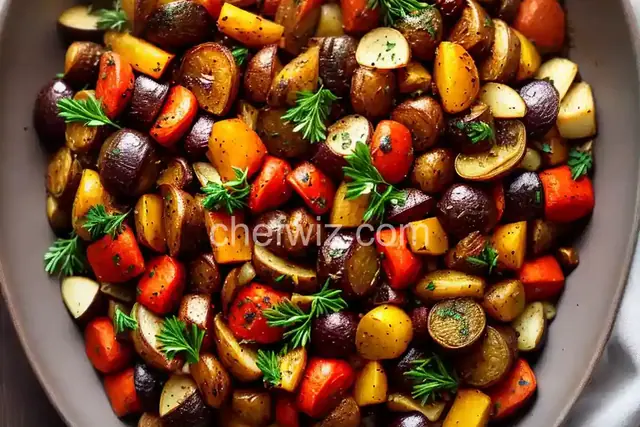
Imagine a medley of colorful vegetables, glistening with olive oil and sprinkled with aromatic herbs. As they slowly roast in the oven, their flavors mingle and deepen, creating a symphony of taste and texture. The result is a dish that is both visually stunning and incredibly delicious.
Slow-roasted winter vegetables make an excellent side dish for any meal. Serve them alongside roasted chicken or beef for a complete and satisfying dinner. Or toss them with cooked pasta or grains for a hearty vegetarian main course. The possibilities are endless!
Not only are slow-roasted winter vegetables delicious, but they are also incredibly nutritious. The slow cooking process helps to break down the tough fibers in the vegetables, making them easier to digest and more nutrient-dense. Plus, the vibrant colors of the roasted vegetables are a visual reminder of the wide array of vitamins, minerals, and antioxidants they contain.
While fresh vegetables are preferred for slow-roasting, you can certainly use frozen vegetables in a pinch. Just make sure to thaw them completely and pat them dry before roasting to avoid excess moisture.
The cooking time for slow-roasting vegetables can vary depending on the size and type of vegetables. On average, it takes about 45 minutes to 1 hour. Keep an eye on them and check for tenderness with a fork or knife.
Absolutely! Feel free to get creative with your seasoning choices. Add herbs like rosemary or thyme, or sprinkle some paprika or cumin for an extra kick of flavor.
Definitely! Mixing different types of vegetables adds complexity and variety to your dish. Just make sure to choose vegetables that have similar cooking times to ensure even roasting.
Yes, you can! Slow-roasted vegetables can be made in advance and stored in the refrigerator for up to 3 days. Simply reheat them in the oven or microwave before serving.
Yes, olive oil is an excellent choice for slow-roasting vegetables. Its mild flavor and high smoke point make it ideal for roasting at higher temperatures.
Absolutely! Slow-roasted vegetables are a wonderful addition to a vegan or vegetarian diet. They are packed with flavor and nutrients, making them a satisfying and wholesome meal option.
Yes, you can freeze leftover slow-roasted vegetables for future use. Place them in an airtight container or freezer bag and store them in the freezer for up to 3 months. Thaw them in the refrigerator before reheating.
In conclusion, slow-roasting winter vegetables is a culinary adventure that yields delicious and nutritious results. The gentle cooking process brings out the natural sweetness and flavors of the vegetables, creating a dish that is both comforting and satisfying. So gather your favorite winter vegetables, fire up the oven, and enjoy the magic of slow-roasting!
AprilCook, recipe developer and the heart of Chefwiz. More about April