Shrimp with Cocktail Sauce
Rate this recipeBe the first to rate
 By AprilPublished
 Who doesn't love a delicious shrimp cocktail? It's the perfect appetizer for any occasion – be it a fancy dinner party or a casual gathering with friends.
 By AprilPublished
 Who doesn't love a delicious shrimp cocktail? It's the perfect appetizer for any occasion – be it a fancy dinner party or a casual gathering with friends.
Cut the lemon in half and place it in a pot of boiling salted water.
Add the shrimp to the pot and cook them uncovered for 3 minutes, ensuring they are just cooked through.
Use a slotted spoon to remove the shrimp from the pot and transfer them to a bowl of cool water.
Allow the shrimp to cool down before peeling and deveining them.
Keep the peeled and deveined shrimp cold until you are ready to serve them.
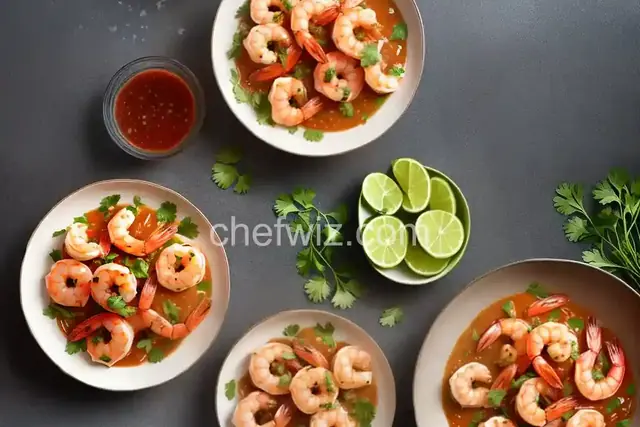
To prepare the cocktail sauce, mix together the chili sauce, ketchup, horseradish, lemon juice, Worcestershire sauce, and hot sauce.
Serve the cocktail sauce alongside the shrimp for dipping.
Who doesn't love a delicious shrimp cocktail? It's the perfect appetizer for any occasion – be it a fancy dinner party or a casual gathering with friends. The combination of succulent shrimp and tangy cocktail sauce is simply irresistible. In this article, we'll explore the wonders of shrimp with cocktail sauce, its origins, and how to make the perfect sauce to complement those juicy shrimp.
The concept of shrimp cocktail can be traced back to the early 20th century, where it gained popularity in the United States. It was often served as a refreshing and light appetizer, especially during the summer months. Over time, shrimp cocktail became a classic dish that is loved by people all over the world.
A shrimp cocktail is incomplete without a delicious cocktail sauce. The sauce adds a zesty kick to the sweet and delicate flavor of the shrimp. The traditional cocktail sauce is made with a combination of ketchup, horseradish, Worcestershire sauce, lemon juice, and a dash of hot sauce. However, you can always experiment with different ingredients to create your own unique twist.
Making your own cocktail sauce is not only easy but also allows you to customize the flavors to your liking. Start with a base of ketchup and add horseradish for a spicy kick. Adjust the amount of horseradish and hot sauce according to your taste preferences. For a tangier sauce, squeeze in some fresh lemon juice. The possibilities are endless when it comes to creating your own perfect cocktail sauce.
When it comes to serving shrimp with cocktail sauce, presentation is key. You can arrange the shrimp neatly on a platter with a bowl of sauce in the middle, or you can serve individual portions in small glasses with a dollop of sauce on top. The choice is yours! Don't forget to garnish with a sprig of fresh parsley or a slice of lemon to add a touch of elegance.
Shrimp with cocktail sauce is a timeless classic that never fails to impress. The combination of tender shrimp and tangy sauce is a match made in culinary heaven. Whether you're hosting a dinner party or simply craving a flavorful appetizer, shrimp with cocktail sauce is sure to delight your taste buds. So go ahead, whip up a batch of homemade cocktail sauce, grab some succulent shrimp, and indulge in this irresistible treat!
Absolutely! Frozen shrimp works just as well as fresh shrimp for shrimp cocktail. Just make sure to thaw them properly before using.
Homemade cocktail sauce can be stored in an airtight container in the refrigerator for up to a week.
Yes, you can make cocktail sauce without horseradish. Simply omit it from the recipe or substitute it with a small amount of mustard for a different flavor profile.
While shrimp is the classic choice, you can also serve cocktail sauce with other seafood like crab, lobster, or even oysters.
Absolutely! If you prefer a spicier sauce, simply add more hot sauce or a pinch of cayenne pepper to the recipe.
Yes, you can make cocktail sauce without ketchup. Substitute it with tomato sauce or tomato puree for a similar flavor.
Definitely! Cocktail sauce can be used as a dipping sauce for other seafood dishes like fried calamari or as a condiment for sandwiches.
Absolutely! In fact, the flavors of the sauce tend to develop and become even more delicious when allowed to sit for a few hours before serving.
AprilCook, recipe developer and the heart of Chefwiz. More about April