Onigiri (Rice Balls)
Rate this recipeBe the first to rate
 By AprilPublished
 Have you ever wondered what makes Japanese cuisine so unique and delightful?
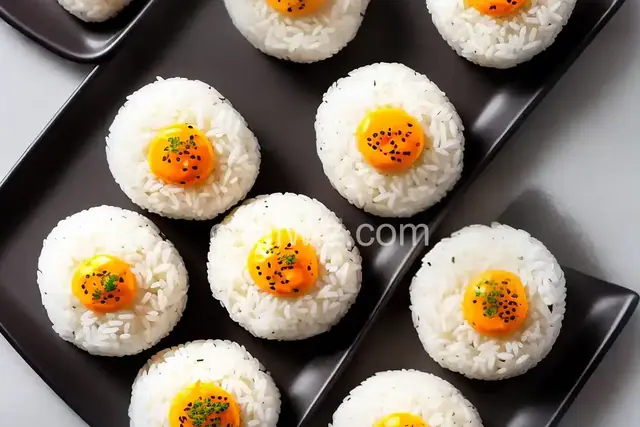 By AprilPublished
 Have you ever wondered what makes Japanese cuisine so unique and delightful?
Sprinkle salt over the salmon fillet and let it sit for 2 hours.
Wash the rice thoroughly in cold water and let it drain in a colander for 30 to 60 minutes before cooking.
Place the washed rice and water in a tightly covered saucepan. Heat over medium-high heat until the water starts to boil.
Increase the heat to high and let the water vigorously boil. Then, reduce the heat to low and cook until all the liquid is absorbed by the rice, which takes about 12 to 13 minutes.
Turn off the heat and let the rice stand, covered, for 10 to 15 minutes. Use a flat wooden spoon or rice paddle to fluff the rice.
Place a towel under the lid and cover tightly to keep the rice warm until ready to use.
Toast the nori sheets over a high gas flame and cut them into 1-inch wide strips. Alternatively, you can use pre-toasted nori.
Combine the bonito flakes with soy sauce. Rinse the salt off the salmon, pat it dry, and grill for 3 to 5 minutes. Use a fork to break the salmon into small pieces.
Wet your hands with salted water to prevent the rice from sticking. Take a handful of rice, about 1/2 cup, and make an indentation in the rice.
Place a teaspoon of soaked bonito flakes, a few
Have you ever wondered what makes Japanese cuisine so unique and delightful? One of the most iconic and beloved dishes in Japan is onigiri, also known as rice balls. These delectable treats are not only tasty but also versatile, making them the perfect snack or meal on the go. In this article, we'll explore the fascinating world of onigiri, its history, variations, and how to enjoy them to the fullest.
Onigiri has a rich history that dates back centuries in Japan. Originally, onigiri was created as a portable and convenient food for travelers and warriors. The rice balls were wrapped in bamboo leaves, acting as a natural preservative and providing a pleasant aroma.
Throughout the years, onigiri evolved and became a staple in Japanese cuisine. It's now commonly found in bento boxes, convenience stores, and even gourmet restaurants. These humble rice balls have captured the hearts and taste buds of people all around the world.
Onigiri comes in various shapes and fillings, offering a wide range of flavors and textures. Some popular types include:
Imagine biting into a soft rice ball, only to be greeted by a burst of savory and succulent salmon. The combination of fresh salmon and perfectly seasoned rice creates a harmonious symphony of flavors.
If you're a fan of creamy and tangy delights, then the tuna mayo onigiri is for you. The creamy tuna mayo filling adds a delightful richness to the rice, making it a true comfort food.
For those who appreciate a unique and tangy flavor, umeboshi onigiri is a must-try. Umeboshi, or pickled plum, provides a delightful contrast to the rice, creating a burst of flavors in every bite.
Onigiri is a versatile and convenient food that can be enjoyed in various settings. Whether you're having a picnic, going on a hike, or simply craving a tasty snack, onigiri is the perfect choice.
When eating onigiri, it's customary to hold it with your hands and take small bites. The combination of the soft rice and flavorful filling creates a delightful texture that will leave you craving for more.
Onigiri pairs well with a cup of hot green tea or a refreshing glass of iced tea. The flavors complement each other, creating a truly satisfying experience.
Yes, onigiri is typically gluten-free as it is made primarily with rice. However, it's always best to check the ingredients of the fillings to ensure they are gluten-free as well.
Absolutely! Onigiri can be made in advance and stored in the refrigerator for up to two days. Just make sure to wrap them tightly in plastic wrap to maintain their freshness.
Yes, you can freeze onigiri for future consumption. Wrap them individually in plastic wrap and store them in a freezer-safe bag or container. When ready to eat, simply thaw and enjoy.
Definitely! There are plenty of vegetarian fillings for onigiri, such as pickled vegetables, tofu, or seasoned seaweed. Get creative and explore different flavor combinations.
While it's possible to reheat onigiri, it's best enjoyed at room temperature or slightly chilled. Reheating may affect the texture and overall taste of the rice.
Traditionally, onigiri is made with rice. However, you can experiment with other grains such as quinoa or barley for a unique twist on this classic dish.
Onigiri is best enjoyed fresh but can be stored in the refrigerator for up to two days. After that, the texture may become dry and less enjoyable.
Absolutely! Onigiri can be shaped into various forms, such as triangles, cylinders, or even hearts. Let your creativity shine and have fun making your own unique onigiri shapes.
In conclusion, onigiri is a delightful and versatile dish that has captured the hearts of many. Whether you're a fan of traditional fillings or prefer to experiment with new flavors, onigiri offers endless possibilities. So why not give it a try and experience the joy of biting into a delicious rice ball?
AprilCook, recipe developer and the heart of Chefwiz. More about April