Turtle Soup
Rate this recipeBe the first to rate
 By AprilPublished
 Have you ever wondered what makes a dish truly extraordinary?
 By AprilPublished
 Have you ever wondered what makes a dish truly extraordinary?
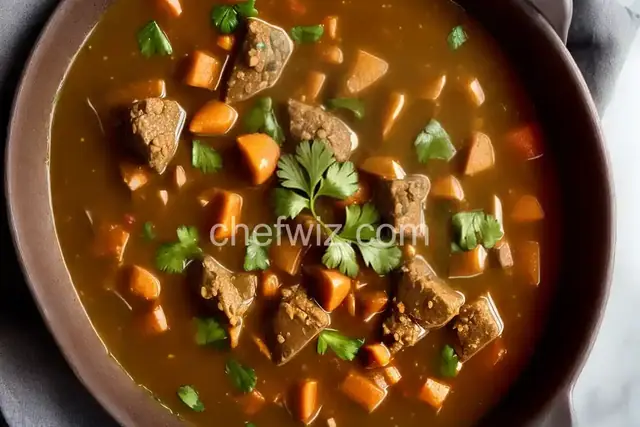
In a large soup pot, melt 1/2 stick of butter over medium to high heat.
Add the turtle meat and cook until browned. Season with salt and pepper to taste.
Cook for about 18 to 20 minutes or until the liquid is almost dry.
Add the onions, celery, garlic, and peppers to the pot, stirring constantly.
Add thyme, oregano, and bay leaves, and sauté for about 22 minutes.
Add the stock, bring it to a boil, and then simmer for 30 minutes. Skim off any fat that rises to the top.
While the stock is simmering, make the roux. In a small saucepan, melt the remaining butter over medium heat.
Slowly add the flour, a little at a time, stirring constantly with a wooden spoon to prevent burning.
Cook until the roux smells nutty, is pale in color, and has a consistency similar to wet sand, about 3 minutes. Set it aside to cool until the soup is ready (the roux should be cool when added to the hot soup).
Using a whisk, vigorously stir the roux into the stock, adding it a little at a time to prevent lumps from forming.
Simmer for about 25 minutes, stirring occasionally to prevent sticking on the bottom of the pot.
Add sherry and bring the
Have you ever wondered what makes a dish truly extraordinary? Picture a bowl of rich and flavorful soup, exuding warmth and comfort. Now, imagine a unique twist to this culinary delight—turtle soup. Yes, you heard it right. Turtle soup is a delicacy that has been savored by many cultures around the world for centuries. In this article, we will delve into the intriguing world of turtle soup, exploring its history, cultural significance, and the reasons why it's worth trying at least once in your culinary journey.
Throughout history, turtle soup has occupied a special place in the kitchens of various cultures. From ancient China to Louisiana's Cajun cuisine, this dish has been hailed for its exquisite taste and perceived health benefits. In Chinese cuisine, for example, turtle soup is considered a nourishing delicacy that symbolizes longevity and vitality. It is often prepared with carefully selected herbs and spices to enhance its flavor.
In the United States, particularly in the southern states, turtle soup has become an integral part of the culinary landscape. Louisiana, known for its vibrant Creole and Cajun cuisines, boasts a rich tradition of turtle soup. Here, the dish is often prepared using a combination of turtle meat, vegetables, and spices, resulting in a hearty and flavorful soup.
So, what sets turtle soup apart from other soups? The answer lies in its distinctive taste and texture. Turtle meat has a unique flavor profile—mild and slightly sweet, with a hint of earthiness. When combined with aromatic herbs, spices, and vegetables, it creates a harmonious blend of flavors that is both comforting and intriguing.
Furthermore, the texture of turtle meat adds another layer of interest to the soup. It is tender, yet slightly gelatinous, giving the soup a velvety mouthfeel. This texture, combined with the rich broth, creates a luxurious dining experience that is truly unparalleled.
Aside from its delectable taste, turtle soup is also believed to offer several health benefits. It is a good source of lean protein, which is essential for muscle growth and repair. Additionally, turtle meat contains valuable nutrients such as iron, zinc, and omega-3 fatty acids, which support overall health and well-being.
Moreover, turtle soup is often prepared with a variety of vegetables, such as carrots, celery, and onions, which add vitamins, minerals, and dietary fiber to the dish. This combination of protein and vegetables makes turtle soup a nutritious choice for those seeking a balanced and wholesome meal.
Turtle soup is a culinary gem that offers a unique and delightful dining experience. With its rich history, cultural significance, and delectable flavors, it is a dish that deserves to be celebrated. So, why not embark on a culinary adventure and savor the wonders of turtle soup? Whether you enjoy it for its taste, health benefits, or simply for the thrill of trying something new, turtle soup is sure to leave a lasting impression on your taste buds.
Yes, turtle soup is legal in many countries, provided it is sourced sustainably and prepared in accordance with local regulations.
Turtle soup can be found in specialty restaurants that offer exotic cuisines or in regions where the dish has a cultural significance.
Yes, you can make turtle soup at home. However, it is important to ensure that you source the turtle meat ethically and follow a trusted recipe.
Turtle meat has a mild and slightly sweet flavor, with a hint of earthiness. It is often compared to chicken or veal.
If you cannot find or consume turtle meat, you can try substituting it with other meats like chicken or veal in turtle soup recipes.
The cooking time for turtle soup varies depending on the recipe. Generally, it can take anywhere from 2 to 4 hours to prepare.
Turtle soup is often enjoyed with crusty bread or rice, which help soak up the flavorful broth.
Yes, you can freeze turtle soup for later consumption. However, it is recommended to consume it within 2-3 months for the best quality and taste.
AprilCook, recipe developer and the heart of Chefwiz. More about April