Shirataki Noodles
Rate this recipeBe the first to rate
 By AprilPublished
 Are you looking for a guilt-free way to enjoy your favorite pasta dishes without worrying about the extra calories?
 By AprilPublished
 Are you looking for a guilt-free way to enjoy your favorite pasta dishes without worrying about the extra calories?
To prepare the broth, combine mirin, sake, and soy sauce in a large measuring cup. If desired, add sugar and mix until dissolved. Set aside.
To assemble the dish, rinse the noodles in a colander under cold running water for 1 to 2 minutes, until any odor is gone. Drain well.
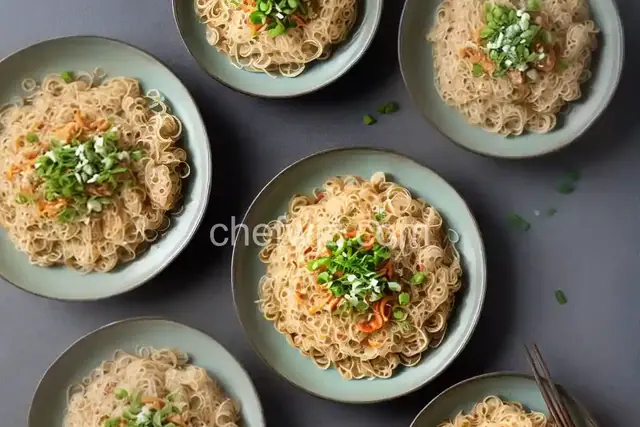
In a large pot or Dutch oven with a lid, place the onion at the bottom. Layer the shirataki noodles on top, followed by bok choy, carrots, cabbage, tofu, and shiitake mushrooms (pack the ingredients tightly as they will cook down). Carefully pour in the prepared broth.
Bring the pot to a boil over medium-high heat. Cover and cook for 4 to 6 minutes, until the vegetables are tender. If you prefer more broth, you can add some water. Uncover and place the beef on top in a single layer. Cover again and cook for 2 to 4 minutes, until the beef is cooked through. If there are any spots that are still red or rare, you can ladle hot broth from the bottom over them. Serve immediately with the broth.
Are you looking for a guilt-free way to enjoy your favorite pasta dishes without worrying about the extra calories? Look no further than shirataki noodles, a Japanese pasta alternative that has gained popularity in recent years. In this article, we will explore what shirataki noodles are, their health benefits, and how you can incorporate them into your meals. So, let's dive in!
Shirataki noodles, also known as miracle noodles, are translucent and gelatinous noodles made from the konjac plant, which is native to East Asia. These noodles are almost zero-calorie and low in carbohydrates, making them a great option for those following a low-calorie or low-carb diet.
Unlike traditional pasta made from wheat or rice, shirataki noodles are made from glucomannan, a soluble fiber that is known for its health benefits. This fiber gives the noodles their unique texture and also contributes to their impressive nutritional profile.
Shirataki noodles offer several health benefits that make them a great addition to your diet. Firstly, their low-calorie and low-carb content make them an excellent choice for weight loss or weight maintenance. By swapping regular pasta with shirataki noodles, you can significantly reduce your calorie intake without sacrificing taste or satisfaction.
Moreover, the soluble fiber in shirataki noodles has been linked to various health benefits. It can help regulate blood sugar levels, improve digestion, and promote a feeling of fullness, which can aid in appetite control. Additionally, consuming soluble fiber has been associated with a reduced risk of heart disease and improved gut health.
Now that you know about the numerous health benefits of shirataki noodles, you might be wondering how to incorporate them into your meals. The good news is that they are incredibly versatile and can be used in a variety of dishes.
One popular way to prepare shirataki noodles is by stir-frying them with vegetables and protein of your choice. You can also use them in soups, salads, or even as a substitute for traditional pasta in your favorite pasta dishes. The key is to rinse the noodles thoroughly and cook them for a few minutes before adding them to your recipe.
Yes, shirataki noodles are gluten-free, making them a great option for individuals with gluten intolerance or celiac disease.
Shirataki noodles are incredibly low in calories and carbohydrates, making them a popular choice for weight loss or weight maintenance.
While shirataki noodles are generally safe to consume, some people may experience digestive issues such as bloating or gas due to their high fiber content. It's essential to drink plenty of water when consuming these noodles to prevent any discomfort.
Yes, shirataki noodles can be reheated. However, it's important not to overcook them as they can become mushy. It's best to follow the cooking instructions provided on the packaging.
Shirataki noodles have a unique texture and a slightly different taste compared to traditional pasta. However, when cooked with flavorful sauces and ingredients, they can be a delicious and satisfying substitute.
Yes, shirataki noodles are plant-based and are suitable for both vegetarians and vegans.
Shirataki noodles are widely available in most grocery stores, health food stores, or online retailers. They can be found in the refrigerated or Asian food section.
Yes, shirataki noodles can be frozen. However, it's important to note that freezing might affect their texture slightly. It's best to consume them fresh for the optimal experience.
In conclusion, shirataki noodles are a healthy and low-calorie pasta alternative that can be enjoyed by anyone looking to reduce their calorie intake or incorporate more fiber into their diet. With their impressive health benefits and versatility in the kitchen, it's no wonder that these noodles have become a popular choice among health-conscious individuals. So why not give them a try and embark on a guilt-free pasta journey?
AprilCook, recipe developer and the heart of Chefwiz. More about April