Semla (Swedish Fat Tuesday Buns)
Rate this recipeBe the first to rate
 By AprilPublished
 Have you ever wondered what Swedes indulge in on Fat Tuesday?
 By AprilPublished
 Have you ever wondered what Swedes indulge in on Fat Tuesday?
In the bowl of a stand mixer, pour in the milk.
Sprinkle the yeast over the milk, and then add 1 1/3 cups of flour. Mix the ingredients together using a wooden spoon.
Allow the mixture to stand for about 20 minutes, or until it becomes foamy.
Add more flour, softened butter, powdered sugar, egg, cardamom, and salt to the mixture. Knead the dough using a dough hook or by hand until it becomes soft, smooth, and elastic. This should take around 5 to 6 minutes.
Transfer the dough onto a lightly floured surface and shape it into a ball.
Divide the dough into 12 equal portions.
Roll each portion of dough under a cupped hand, using flour as necessary, to create smooth balls.
Place the dough balls evenly on a baking sheet lined with parchment paper, leaving some space in between. Slightly push down on each ball.
Dust the tops of the dough balls with flour, and then cover them with a clean kitchen towel.
Let the dough balls rise in a warm spot until they have doubled in size. This usually takes about 2 hours.
Preheat the oven to 425 degrees F (220 degrees C).
In a small bowl, stir together an egg and water to create an egg wash.
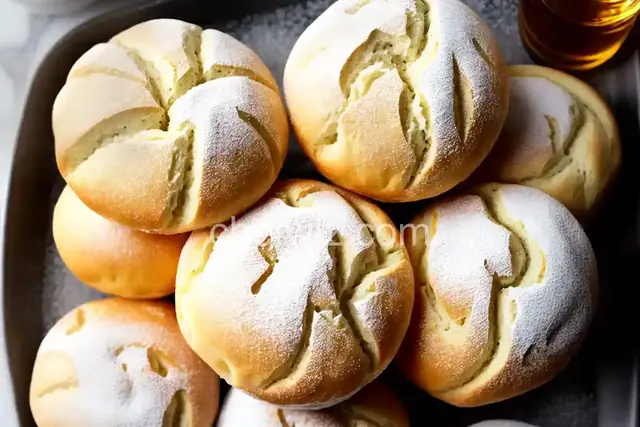
Brush the egg wash all over the rolls.
Have you ever wondered what Swedes indulge in on Fat Tuesday? Well, look no further than the delicious Semla! This traditional Swedish bun is a delightful treat that is eagerly anticipated every year. In this article, we will explore the history, flavors, and cultural significance of Semla. Get ready to tantalize your taste buds and learn more about this delectable pastry!
Like many culinary delights, the origins of Semla can be traced back through the annals of time. It is believed that Semla was first introduced in Sweden during the Middle Ages. Originally, this sweet bun was made using simple ingredients such as flour, yeast, and water. Over the centuries, it has evolved into the scrumptious treat we know today.
One bite into a Semla and you'll be transported to a world of sweetness and indulgence. The base of this bun is made from a rich, cardamom-infused dough that is soft and fragrant. The bun is then hollowed out and filled with a generous dollop of almond paste and whipped cream. The final touch is a dusting of powdered sugar on top. The combination of flavors creates a symphony of taste that is simply heavenly.
Semla holds a special place in Swedish culture and tradition. It is traditionally eaten on Fat Tuesday, which is the day before Lent begins. This day is also known as Semla Day in Sweden. The indulgent nature of Semla is a way for Swedes to enjoy one last treat before the fasting period of Lent. It is a time-honored tradition that brings communities together to celebrate and savor the joy of Semla.
Semla is a delightful Swedish bun that brings joy and indulgence to Fat Tuesday celebrations. Its origins, flavors, and cultural significance make it a cherished treat in Sweden. Whether you enjoy it as a dessert or a snack, Semla is sure to satisfy your cravings and leave you wanting more. So, next Fat Tuesday, why not treat yourself to a heavenly Semla and experience the taste of Swedish tradition?
It's pronounced as "semla," rhyming with "pamela."
No, Semla buns are typically only available in Sweden during the months leading up to Fat Tuesday.
Absolutely! There are numerous recipes available online that guide you through the process of making your own Semla buns from scratch.
While the classic Semla is filled with almond paste and whipped cream, there are variations that incorporate different flavors such as chocolate or berries.
Definitely! Swedes often pair their Semla with a cup of hot coffee, creating the perfect combination of flavors.
Semla can be enjoyed as both a dessert and a snack. Its small size makes it a convenient treat that can be enjoyed on the go.
Yes, there are vegan and gluten-free versions of Semla available for those with dietary restrictions. These variations use alternative ingredients to replicate the flavors and textures of the traditional Semla.
Semla is most popular in Sweden, where it is deeply ingrained in the culture and traditions. However, its popularity has spread to other countries, particularly in Scandinavian communities.
AprilCook, recipe developer and the heart of Chefwiz. More about April