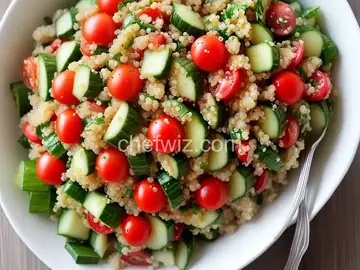
Seaweed salad, also known as wakame salad, is a delicious and nutritious dish that has gained popularity in recent years. It is not only a flavorful addition to any meal but also offers a wide range of health benefits.
What is Seaweed Salad?
Seaweed salad is a dish made from various types of seaweed, with wakame being one of the most commonly used varieties. It is typically served as a side dish or appetizer in Japanese cuisine. The salad is known for its vibrant green color and refreshing taste.
Why is Seaweed Salad Popular?
Seaweed salad has gained popularity not only for its unique flavor but also for its numerous health benefits. It is rich in vitamins, minerals, and antioxidants that support overall well-being. Additionally, seaweed is a great source of iodine, which is essential for thyroid function.
How is Seaweed Salad Prepared?
Preparing seaweed salad is a relatively simple process. The seaweed is first soaked in water to rehydrate it, then blanched briefly to soften it. After blanching, it is quickly cooled and then tossed with a flavorful dressing, typically made from sesame oil, soy sauce, rice vinegar, and a touch of sweetness.
Can Seaweed Salad be Customized?
Absolutely! Seaweed salad can be easily customized to suit individual preferences. You can add ingredients such as cucumber, sesame seeds, shredded carrots, or even thinly sliced radishes to enhance the flavor and texture of the dish. Feel free to experiment and get creative!
Where Can I Find Seaweed Salad?
Seaweed salad is commonly found in Japanese restaurants, sushi bars, and Asian grocery stores. However, it is also becoming more readily available in mainstream supermarkets due to its growing popularity. You can also try making it at home using dried seaweed that can be purchased online or at specialty stores.
Is Seaweed Salad Suitable for Everyone?
Seaweed salad is generally safe for consumption by most individuals. However, it is important to note that some people may be allergic to seaweed or have specific dietary restrictions. If you have any concerns or medical conditions, it is always best to consult with a healthcare professional before adding seaweed salad to your diet.
Does Seaweed Salad Have any Health Benefits?
Absolutely! Seaweed salad offers a myriad of health benefits. It is packed with essential vitamins and minerals, including vitamin C, vitamin K, folate, and iron. The antioxidants present in seaweed help fight inflammation and protect against free radicals. Additionally, seaweed has been shown to support heart health and may even aid in weight management.
How Should Seaweed Salad be Stored?
Seaweed salad should be stored in an airtight container in the refrigerator. It is best consumed within a few days of preparation to maintain its freshness and flavor. Avoid leaving it at room temperature for extended periods as it can spoil quickly.
Can Seaweed Salad be Frozen?
While it is possible to freeze seaweed salad, it is not recommended. Freezing can alter the texture and quality of the seaweed, resulting in a less desirable salad. It is best enjoyed fresh for the best taste and texture.
In Conclusion
Seaweed salad, or wakame salad, is a delightful dish that not only tantalizes the taste buds but also offers an array of health benefits. Its unique flavor, combined with its vibrant green color, makes it a visually appealing addition to any meal. So why not give it a try and experience the wonders of seaweed salad for yourself?
Frequently asked questions
- Does seaweed salad contain gluten?
Seaweed salad is naturally gluten-free, making it a suitable choice for individuals with gluten sensitivities or celiac disease.
- Can I make seaweed salad without sesame oil?
Yes, you can substitute sesame oil with other oils such as olive oil or avocado oil if you prefer or have a sesame allergy.
- Is seaweed salad spicy?
Seaweed salad is typically not spicy, but some variations may include spicy elements like chili flakes or sriracha for those who enjoy a kick of heat.
- Can I eat seaweed salad while pregnant?
Seaweed salad can be consumed in moderation during pregnancy. However, it is essential to ensure the seaweed is thoroughly washed and safe for consumption.
- How many calories are in seaweed salad?
The calorie content of seaweed salad can vary depending on the ingredients used, but it is generally low in calories. It is a great option for those watching their calorie intake.
- Can seaweed salad help with weight loss?
Seaweed salad is a nutrient-dense and low-calorie dish that can be a valuable addition to a weight loss diet. Its high fiber content and low fat make it a satisfying and guilt-free choice.
- Can I eat seaweed salad if I have a seafood allergy?
While seaweed is not a seafood, some individuals with seafood allergies may also be allergic to seaweed. It is best to consult with an allergist to determine if seaweed is safe for you.
- Can seaweed salad help lower cholesterol?
Some studies suggest that seaweed may have cholesterol-lowering effects. However, more research is needed to fully understand the extent of its benefits in this regard.
 By AprilPublished