Sautéed Brussels Sprouts
Rate this recipeBe the first to rate
 By AprilPublished
Brussels sprouts have come a long way from being the dreaded vegetable on our childhood dinner plates.
 By AprilPublished
Brussels sprouts have come a long way from being the dreaded vegetable on our childhood dinner plates.
Heat the oil in a large cast-iron skillet over medium heat.
Place half of the Brussels sprouts, cut-side down, into the skillet.
Let the sprouts sear for 3 to 4 minutes without moving them, until they are deeply golden brown.
Toss the sprouts, then sprinkle them with half of the salt and some pepper.
Continue to cook the sprouts, stirring occasionally, for 5 to 6 minutes until they are tender.
Remove the cooked sprouts from the pan.
Add a little more oil to the pan and repeat the process with the remaining sprouts.
Once the second batch is finished, add the first batch back to the pan and heat until warmed through.
Turn off the heat and squeeze lemon juice over the sprouts.
Season to taste with more sea salt or flaky sea salt.
If desired, sprinkle with Parmesan or vegan Parmesan.
Serve the Brussels sprouts hot.
Brussels sprouts have come a long way from being the dreaded vegetable on our childhood dinner plates. With a little magic in the kitchen, these tiny cabbages can be transformed into a delicious and nutritious side dish that will have you coming back for seconds. In this article, we will explore the art of sautéing Brussels sprouts, uncovering the secrets to creating a mouthwatering dish that even the biggest skeptics will love.
When it comes to cooking Brussels sprouts, sautéing is a method that truly brings out their natural flavors and textures. By quickly cooking them in a hot pan with some oil, you can achieve a delightful combination of crispy exteriors and tender interiors. This technique allows the Brussels sprouts to retain their vibrant green color, giving them an appetizing appearance that is sure to impress.
Before you start sautéing, it's essential to prepare the Brussels sprouts properly. Begin by removing any loose or damaged leaves from the sprouts. Then, cut off the tough stem end and make a small "X" on the bottom of each sprout. This will help them cook evenly and absorb the flavors of the seasonings.
When it comes to seasonings, the options are endless. You can keep it simple with just salt and pepper, or you can get creative by adding herbs, spices, or even a splash of tangy balsamic vinegar. The key is to enhance the natural flavors of the Brussels sprouts without overpowering them. A sprinkle of garlic powder or a squeeze of fresh lemon juice can work wonders in elevating the dish.
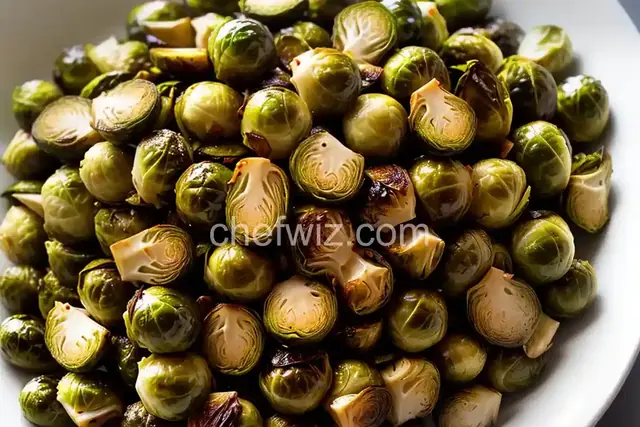
As you sauté the Brussels sprouts, the heat allows them to caramelize slightly, intensifying their sweetness. The outer leaves become crispy and golden, while the inner layers become tender and melt-in-your-mouth delicious. The combination of textures and flavors creates a dish that will have even the pickiest eaters asking for seconds.
If you want to take your sautéed Brussels sprouts to the next level, consider adding some complementary ingredients. Bacon, for example, adds a savory and smoky element that pairs beautifully with the sprouts. Nuts, such as toasted almonds or pecans, can bring a delightful crunch to each bite. Alternatively, you can experiment with different cheeses or a drizzle of honey for a touch of sweetness.
Sautéed Brussels sprouts are a versatile and delicious side dish that can be enjoyed by everyone. Whether you're a Brussels sprouts aficionado or someone who has yet to discover their true potential, sautéing them is a game-changer. So next time you're in the mood for a flavorful vegetable dish, grab a pan, heat up some oil, and let the magic happen. You won't be disappointed!
While fresh Brussels sprouts are recommended for the best flavor and texture, you can use frozen ones as well. Just make sure to thaw them before cooking and pat them dry to avoid excess moisture.
It typically takes around 10-15 minutes to sauté Brussels sprouts until they are tender and golden brown. However, cooking times may vary depending on the size of the sprouts and your desired level of crispiness.
While sautéed Brussels sprouts are best enjoyed fresh, you can make them in advance and reheat them before serving. To retain their texture, reheat them in a skillet over medium heat until warmed through.
Yes! Brussels sprouts are packed with essential vitamins, minerals, and fiber. Sautéing them helps to retain their nutritional value, making them a healthy and flavorful addition to any meal.
Absolutely! While olive oil is a popular choice for sautéing Brussels sprouts, you can use other oils like avocado oil or coconut oil. Each oil will bring its own unique flavor to the dish.
Certainly! Sautéed Brussels sprouts can be a great base for adding other vegetables like carrots, bell peppers, or onions. Just make sure to adjust the cooking times accordingly to ensure even doneness.
Yes, sautéed Brussels sprouts are a fantastic option for both vegan and vegetarian diets. They are naturally plant-based and can be customized with various seasonings and toppings to suit individual preferences.
While oil helps to achieve a crispy exterior, you can sauté Brussels sprouts without oil by using a non-stick skillet or adding a small amount of vegetable broth or water to prevent sticking. However, keep in mind that the texture may be slightly different.
Absolutely! Sautéed Brussels sprouts can be a versatile ingredient. They can be added to pasta, salads, stir-fries, or even used as a topping for pizzas. Get creative and enjoy their deliciousness in various ways!
AprilCook, recipe developer and the heart of Chefwiz. More about April