Peanut Sauce
Rate this recipeBe the first to rate
 By AprilPublished
Are you tired of eating the same old sauces with your meals? Looking to add a burst of flavor to your dishes?
 By AprilPublished
Are you tired of eating the same old sauces with your meals? Looking to add a burst of flavor to your dishes?
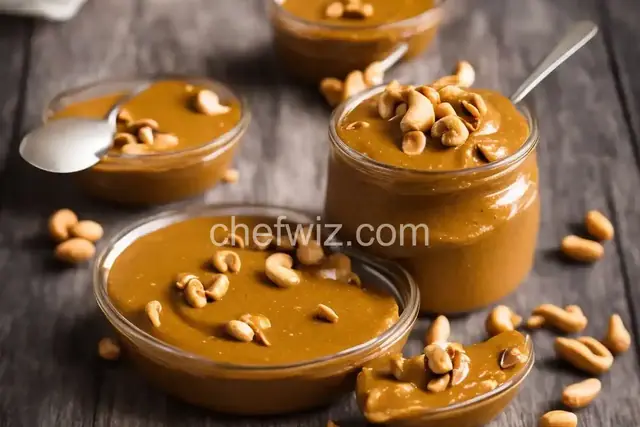
Combine the peanut butter, lime juice, rice vinegar, sriracha, tamari, sesame oil, maple syrup, ginger, and 4 tablespoons of water in a medium bowl.
If the sauce is too thick, gradually add more water, 1 tablespoon at a time, until it reaches your desired consistency.
Use the sauce as a dip for spring rolls or as a topping for peanut noodles.
For more serving suggestions, refer to the blog post above.
Are you tired of eating the same old sauces with your meals? Looking to add a burst of flavor to your dishes? Look no further than the versatile and delicious peanut sauce. This delectable condiment has been a staple in many cuisines around the world, and for good reason. In this article, we will explore the wonders of peanut sauce, its uses, and why you should consider adding it to your culinary repertoire.
Like many great culinary inventions, the origins of peanut sauce are a bit hazy. However, it is believed to have originated in Southeast Asia, particularly in Indonesia and Thailand. Peanut sauce, also known as satay sauce, was traditionally used as a dip for satay skewers, but it quickly gained popularity and found its way into many other dishes.
Peanut sauce is a harmonious blend of sweet, savory, and nutty flavors. The rich and creamy texture of the sauce is achieved by combining ground peanuts with various ingredients such as soy sauce, garlic, ginger, lime juice, and spices. The result is a tantalizing combination of flavors that can elevate any dish.
The beauty of peanut sauce lies in its versatility. It can be used as a dipping sauce for spring rolls, dumplings, or grilled meats. You can also drizzle it over salads, noodles, or Buddha bowls to add an extra layer of flavor. Peanut sauce can even be used as a marinade for meat or tofu, giving it a deliciously caramelized crust when cooked.
Not only is peanut sauce delicious, but it can also be a healthy addition to your meals. Peanuts are a good source of protein, healthy fats, and essential vitamins and minerals. By choosing natural peanut butter or making your own peanut sauce, you can control the ingredients and ensure a healthier option.
Making peanut sauce at home is easier than you might think. With just a few simple ingredients and a blender or food processor, you can create a delectable sauce that will impress your family and friends. Experiment with different spices and ingredients to customize the flavor to your liking.
Peanut sauce is a versatile and delicious condiment that can elevate your meals to a whole new level. Whether you use it as a dip, drizzle, or marinade, the sweet and savory flavors of peanut sauce are sure to tantalize your taste buds. So why not give it a try and discover the wonders of this culinary delight?
It depends on the ingredients used. Some peanut sauces may contain gluten, especially if they include soy sauce. However, there are gluten-free alternatives available.
Absolutely! Peanut sauce adds a wonderful depth of flavor to stir-fries. Just toss your favorite vegetables and protein in the sauce, and you're good to go.
Homemade peanut sauce can be stored in an airtight container in the refrigerator for up to a week. Make sure to give it a good stir before using it again.
Yes, you can use crunchy peanut butter if you prefer a bit of texture in your sauce. Just keep in mind that the consistency may be slightly different.
Peanut sauce can be vegan-friendly, especially if you use natural peanut butter and check the ingredients for any animal-derived additives.
Yes, you can freeze peanut sauce for future use. Just transfer it to a freezer-safe container and thaw it in the refrigerator when needed.
Peanut sauce complements a wide variety of dishes such as spring rolls, satay skewers, noodles, rice bowls, and even grilled vegetables.
Yes, there are numerous variations of peanut sauce across different cuisines. Some may include additional ingredients like coconut milk, chili paste, or tamarind for a unique twist.
AprilCook, recipe developer and the heart of Chefwiz. More about April