Caramelized Onions
Rate this recipeBe the first to rate
 By AprilPublished
Have you ever tasted the sweet and savory delight of caramelized onions?
 By AprilPublished
Have you ever tasted the sweet and savory delight of caramelized onions?
Heat the oil in a 12-inch cast iron skillet over medium heat.
Add the onions to the skillet and sauté them for approximately 5 minutes, or until they begin to soften.
Sprinkle the salt over the onions and reduce the heat to medium-low.
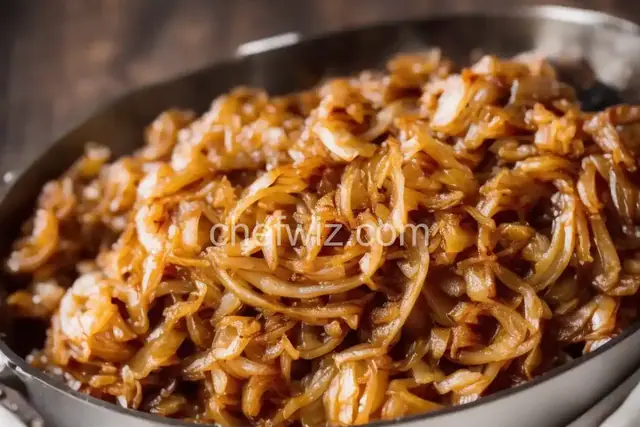
Cook the onions for 50 to 80 minutes, stirring occasionally, until they are very soft, have turned golden brown, and are caramelized. Please note that the cooking time may vary depending on the size of your onions and the heat level of your stove.
If the onions start to stick to the bottom of the pan at any point, reduce the heat to low.
If after 50 minutes the onions are not deeply browned and you want to speed up the caramelization process, you can increase the heat slightly. However, make sure to stir continuously to prevent burning.
Have you ever tasted the sweet and savory delight of caramelized onions? These golden brown gems are a culinary treasure that can elevate any dish to new heights. Whether you're a seasoned chef or an amateur cook, caramelized onions are a must-have ingredient in your kitchen arsenal. In this article, we will delve into the art of caramelizing onions, exploring the flavor profile, cooking techniques, and creative uses. So, let's dive in and discover the magic of caramelized onions!
Picture this: a humble onion, sliced into thin strips and slowly cooked until it transforms into a golden brown, soft, and syrupy delight. That's the beauty of caramelized onions. They are the result of a slow cooking process that breaks down the onion's natural sugars, creating a sweet and rich flavor profile that adds depth to any dish.
When you caramelize onions, you embark on a flavor journey that takes you from pungent and sharp to sweet and mellow. As the onions cook, their natural sugars start to caramelize, developing complex flavors and aromas that can tantalize your taste buds. The result is a symphony of sweet and savory notes that can enhance the taste of soups, stews, sandwiches, pizzas, and even desserts.
Now that we understand the allure of caramelized onions, let's dive into the techniques that will help you master this culinary art form.
Not all onions are created equal when it comes to caramelization. While any onion can be caramelized, some varieties are better suited for the task. Sweet onions, such as Vidalia or Walla Walla, have a higher sugar content and are perfect for caramelizing. Red onions can also work well, providing a vibrant color and a slightly different flavor profile.
The key to achieving perfectly caramelized onions lies in the way they are sliced. For the best results, slice the onions thinly and evenly. This allows for even cooking and ensures that each strand of onion gets a chance to caramelize.
Patience is the secret ingredient when it comes to caramelizing onions. Low and slow cooking is the key to achieving the desired results. Start by heating a generous amount of butter or oil in a pan over low heat. Add the sliced onions and let them cook slowly, stirring occasionally. The process can take anywhere from 30 minutes to an hour, depending on the desired level of caramelization.
A pinch of salt can work wonders in the caramelization process. It helps draw out the onion's moisture, aiding in the breakdown of sugars and intensifying the flavors.
Now that you've mastered the art of caramelizing onions, let's explore some creative ways to incorporate them into your dishes.
Transform your caramelized onions into a luscious jam that can be spread on sandwiches, served with cheese, or used as a condiment for grilled meats. The sweetness and depth of flavor will leave you craving for more.
Upgrade your pizza game by adding a layer of caramelized onions. Their sweetness pairs perfectly with the tanginess of tomato sauce and the creaminess of melted cheese.
Indulge in a bowl of comforting French Onion Soup, where caramelized onions take center stage. The rich and flavorful broth, topped with a cheesy crust, is a delightful treat for the senses.
Elevate your burger experience by topping it off with caramelized onions. The sweetness and umami flavors will complement the juicy patty, creating a taste sensation you won't forget.
While butter or oil is commonly used to caramelize onions, you can also achieve a similar result by using vegetable broth or water. However, keep in mind that the flavor profile might vary slightly.
Caramelized onions can be stored in an airtight container in the refrigerator for up to a week. You can also freeze them for longer-term storage.
Yes, you can caramelize onions in the oven. Toss thinly sliced onions with oil or butter, spread them on a baking sheet, and bake at a low temperature until caramelized.
While it's tempting to crank up the heat to speed up the process, caramelizing onions requires low and slow cooking to develop the desired flavors. Rushing the process may result in uneven caramelization and a less desirable taste.
While caramelized onions are commonly used in savory dishes, they can also be incorporated into sweet recipes. Imagine a caramelized onion tart with a touch of honey or a caramelized onion ice cream for a unique dessert experience.
Yes, you can caramelize onions in a slow cooker. Simply add thinly sliced onions, butter or oil, and a pinch of salt to the slow cooker. Cook on low heat for several hours until caramelized.
Absolutely! Caramelized onions can add a burst of flavor to salads, providing a contrast to fresh greens and other ingredients. They work particularly well in warm salads or grain bowls.
Yes,
AprilCook, recipe developer and the heart of Chefwiz. More about April