Sarah's Knish
Rate this recipeBe the first to rate
 By AprilPublished
 Have you ever experienced the joy of biting into a warm, flaky knish?
 By AprilPublished
 Have you ever experienced the joy of biting into a warm, flaky knish?
Place the potatoes in a large pot and cover them with salted water. Bring the water to a boil over high heat, then reduce the heat to medium-low, cover the pot, and simmer the potatoes until they are tender, which will take about 20 minutes.
Drain the potatoes and let them steam dry for a minute or two.
In a skillet, heat 1/4 cup of vegetable oil over medium heat. Add the onion and cook it until it becomes soft and translucent, which should take around 5 minutes.
In a large bowl, combine the cooked potatoes and onions. Season the mixture with 2 teaspoons of salt, pepper, sugar, and garlic. Mash everything together until it becomes smooth, and then set it aside.
Preheat your oven to 375 degrees F (190 degrees C) and line a baking sheet with parchment paper.
In a separate bowl, beat together the eggs, 1/2 cup of vegetable oil, warm water, and 1 teaspoon of salt. Gradually stir in the flour until the dough comes together.
Transfer the dough onto a lightly floured surface and knead it for about 8 minutes, or until it becomes smooth and elastic. Divide the dough into thirds and roll each piece out to approximately 9x13 inches.
Slice the rolled dough in half lengthwise and spread the potato mixture down the center of each strip. Roll the dough around the filling
Have you ever experienced the joy of biting into a warm, flaky knish? The combination of a crispy exterior and a soft, savory filling is simply irresistible. Sarah's Knish is a delightful treat that has been enjoyed for generations in Jewish households around the world. In this article, we will explore the history, flavors, and cultural significance of this delectable dish. Get ready to embark on a mouthwatering journey as we delve into the world of Sarah's Knish!
Like many traditional dishes, the exact origins of the knish are shrouded in mystery. Some believe that it originated in Eastern Europe, while others trace its roots back to Jewish communities in Poland. Regardless of its origin, the knish has become an iconic part of Jewish cuisine.
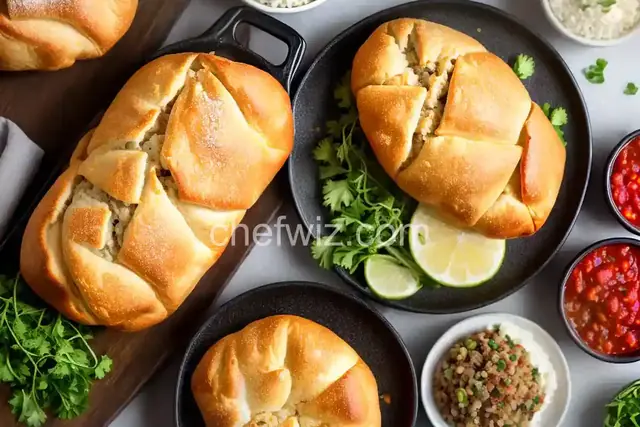
Creating a delicious knish is no easy task. It requires a delicate balance of flavors and textures. The dough must be rolled out thinly and filled with a mouthwatering mixture of mashed potatoes, onions, and seasonings. The knish is then baked until golden brown, resulting in a delectable treat that is sure to satisfy your taste buds.
One of the joys of Sarah's Knish is the variety of fillings that can be used. While the classic potato filling remains a favorite, there are endless possibilities to explore. From cheese and spinach to meat and even sweet fruit fillings, there is a knish flavor for every palate.
When it comes to enjoying Sarah's Knish, the perfect bite is a work of art. Picture this: you take a bite, and the crispy crust shatters, revealing a warm, flavorful filling that melts in your mouth. It's a moment of pure bliss, a culinary experience that transcends time and place.
Food is more than just sustenance; it is a reflection of culture and heritage. Sarah's Knish is no exception. This humble dish carries with it a rich history and a sense of tradition. It has been passed down from generation to generation, preserving the flavors and memories of the past.
For many Jewish families, Sarah's Knish is not just a delicious snack; it is a symbol of their cultural identity. It is a taste of tradition, a reminder of family gatherings and shared meals. It is a way to connect with their roots and pass on their heritage to future generations.
While Sarah's Knish may have originated in Eastern Europe, its popularity has spread far and wide. Today, you can find variations of this tasty treat in Jewish communities around the world. From New York City to Buenos Aires, the knish has become a beloved part of the global culinary landscape.
Whether you're looking for a quick snack, a comforting meal, or a party appetizer, Sarah's Knish is the perfect choice. Its versatility makes it suitable for any occasion. Serve it warm with a side of sour cream or mustard for a delightful treat that will leave your guests wanting more.
Sarah's Knish is more than just a delicious dish. It is a symbol of tradition, a connection to the past, and a celebration of Jewish culture. With its crispy crust and flavorful fillings, it is a culinary delight that has stood the test of time. So, the next time you have a craving for something truly special, indulge in the savory goodness of Sarah's Knish.
Yes, Sarah's Knish can be frozen for later enjoyment. Simply wrap them tightly in foil or plastic wrap and store them in the freezer. When you're ready to eat them, just reheat them in the oven until they are warm and crispy.
Yes, you can find gluten-free versions of Sarah's Knish that use alternative flours such as almond or chickpea flour. These gluten-free options still offer the same delicious flavors and textures.
Absolutely! While the classic knish is savory, you can experiment with sweet fillings such as apple cinnamon or chocolate. These sweet knishes make for a delightful dessert or a unique twist on the traditional recipe.
The best way to reheat Sarah's Knish is in the oven. Preheat your oven to 350°F (175°C), place the knishes on a baking sheet, and heat them for about 10 minutes or until they are warm and crispy.
Absolutely! Mini knishes make for a perfect bite-sized appetizer. Simply adjust the size of the dough and filling, and bake them until they are golden brown. Your guests will love these bite-sized treats!
Traditional toppings for Sarah's Knish include sour cream, mustard, and sauerkraut. These toppings complement the flavors of the knish and add an extra layer of deliciousness.
Yes, you can customize the filling of your knish to include additional vegetables such as carrots, peas, or mushrooms. These additions can add a burst of flavor and texture to your knish.
Yes, Sarah's Knish can be made vegetarian-friendly by using vegetable-based fillings such as cheese and spinach or roasted vegetables. It's a versatile dish that can be enjoyed by vegetarians and meat-lovers alike.
AprilCook, recipe developer and the heart of Chefwiz. More about April