Salsa with Ancho Chiles
Rate this recipeBe the first to rate
 By AprilPublished
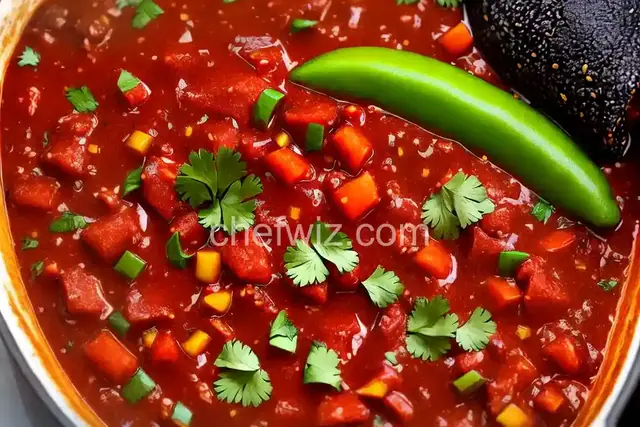
Are you a fan of fiery flavors that can liven up any meal? Look no further than salsa with ancho chiles!
 By AprilPublished
Are you a fan of fiery flavors that can liven up any meal? Look no further than salsa with ancho chiles!
Preheat the broiler.
Place 2 whole jalapenos in a pie pan and roast them under the broiler.
Give the peppers a quarter turn every 2 to 3 minutes until they are blackened, approximately 6 minutes.
Remove the stems and skins from the jalapenos.
Discard the seeds, or if desired, keep them for extra heat in the salsa.
Chop the roasted jalapenos.
In a bowl, combine the chopped jalapenos with the remaining ingredients.
Place the mixture in the refrigerator for up to 12 hours to allow the flavors to infuse.
Are you a fan of fiery flavors that can liven up any meal? Look no further than salsa with ancho chiles! This vibrant and zesty condiment is a perfect addition to tacos, burritos, or simply as a dip for tortilla chips. In this article, we will dive into the world of salsa with ancho chiles, exploring its origins, flavors, and the simple steps to make it at home. So, let's spice things up and discover the wonders of this delicious salsa!
Before we delve into the salsa, let's first understand what ancho chiles are. Ancho chiles are dried poblano peppers, commonly used in Mexican cuisine. They have a mild to medium heat level and a deep, smoky flavor. The name "ancho" means "wide" in Spanish, referring to the wide and flat shape of these chiles.
These chiles are an essential ingredient in various Mexican dishes, including mole sauce and tamales. When dried, their flavors intensify, making them perfect for adding depth and complexity to salsas.
Salsa with ancho chiles offers a unique flavor profile that sets it apart from other salsas. The combination of the smoky and slightly sweet taste of ancho chiles, along with the tanginess of tomatoes and the freshness of cilantro, creates a harmonious blend of flavors.
Imagine biting into a tortilla chip loaded with salsa. The initial burst of heat from the ancho chiles is quickly balanced by the sweetness of tomatoes, leaving a lingering smoky aftertaste. The cilantro adds a refreshing element, making each bite a delightful experience.
Creating your own salsa with ancho chiles is easier than you might think. Here's a simple recipe to get you started:
See how simple it is to make your own salsa with ancho chiles? Give it a try and impress your friends and family with this flavorful condiment.
Salsa with ancho chiles is a versatile and delicious addition to any meal. Its unique combination of smoky, sweet, and tangy flavors will undoubtedly elevate your taste buds. Whether you're a fan of spicy foods or simply looking to add some excitement to your dishes, salsa with ancho chiles is the perfect choice.
So, don't hesitate to experiment with this fiery condiment. With just a few ingredients and simple steps, you can create a salsa that packs a punch. Enjoy the flavors of Mexico in the comfort of your own home!
Absolutely! The heat level of the salsa can be adjusted by adding more or fewer ancho chiles. If you prefer a milder salsa, you can remove the seeds from the chiles before using them.
The salsa can be stored in an airtight container in the refrigerator for up to a week. However, it's best enjoyed fresh for optimal flavor.
While fresh tomatoes are recommended for the best flavor, you can use canned tomatoes in a pinch. Just make sure to drain them before adding them to the salsa.
If you can't find ancho chiles, you can use other dried peppers like guajillo or pasilla. Keep in mind that the flavor profile may vary slightly, but the salsa will still be delicious.
Yes, you can freeze the salsa in an airtight container for up to three months. Just make sure to thaw it in the refrigerator before using.
Absolutely! Salsa is a versatile condiment, and you can customize it to your liking. You can add ingredients like jalapenos, roasted bell peppers, or even fruits like mango or pineapple for a unique twist.
Yes, the salsa is gluten-free as long as all the ingredients used are also gluten-free. However, it's always a good idea to check the labels of packaged ingredients, just to be sure.
While fresh cilantro is recommended for its vibrant flavor, you can use dried cilantro if that's what you have on hand. Keep in mind that the taste
AprilCook, recipe developer and the heart of Chefwiz. More about April