Rosemary-Crusted Prime Rib Roast
Rate this recipeBe the first to rate
 By AprilPublished
 There's something undeniably special about a perfectly cooked prime rib roast.
 By AprilPublished
 There's something undeniably special about a perfectly cooked prime rib roast.
Season the roast with salt and pepper, and allow it to sit at room temperature for at least 1 hour.
Preheat the oven to 225° and position a rack in the lower third of the oven. Line a rimmed baking sheet with two layers of foil and place rosemary sprigs in the center of the sheet. Set a wire rack over the top.
Finely chop the rosemary leaves in a food processor. Add anchovies and oil, and process until a thick paste forms. Rub the paste over the entire surface of the roast, pressing it into the meat.
If available, insert a leave-in probe thermometer into the center of the roast. Place the roast, fat side up, on the wire rack. Roast the meat until the thermometer reads 118° for medium-rare, which should take approximately 3-4 hours. Allow the roast to cool for 45 minutes, during which the internal temperature will rise to 130°.
Increase the oven temperature to 475°. Return the meat to the oven and roast it for an additional 10-15 minutes, or until the fat is browned.
The roast can be seasoned up to 3 days ahead. Wrap it with plastic and refrigerate.
In a large wide saucepan, cook blackberries, sugar, and salt over medium-high heat until thick and syrupy, stirring occasionally. This should take about 40-50
There's something undeniably special about a perfectly cooked prime rib roast. The tender, juicy meat, encased in a flavorful crust, makes it a show-stopping centerpiece for any celebratory meal. And when it comes to creating a memorable prime rib roast, the rosemary crust is an absolute game-changer.
Rosemary, with its distinct aroma and earthy flavor, pairs beautifully with beef. Its woody notes add depth to the meat, complementing its richness without overpowering it. Just like a harmonious duet, the rosemary and prime rib roast create a symphony of flavors that will leave your taste buds singing.
Creating a rosemary crust is easier than you might think. First, you'll want to gather your ingredients - fresh rosemary, garlic, salt, and pepper. Then, simply combine these fragrant elements into a paste and generously slather it onto the surface of your prime rib roast.
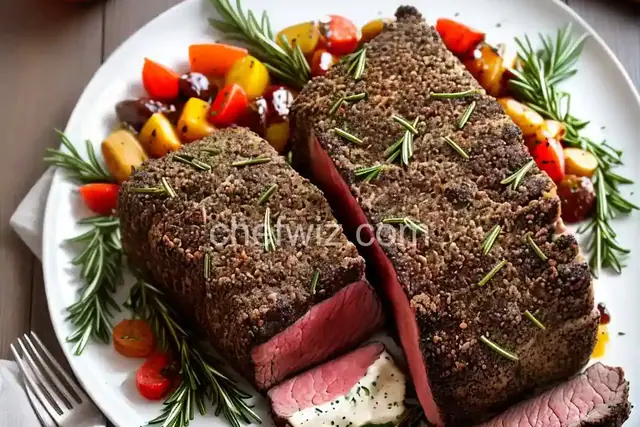
Once the crust is applied, the magic happens in the oven. As the roast cooks, the rosemary infuses its essence into the meat, creating a tantalizing aroma that will waft through your kitchen. And when you slice into the roast, you'll reveal a beautiful pink center surrounded by a golden, herb-infused crust.
Cooking a prime rib roast to perfection requires precision and attention to detail. You'll want to start with a well-marbled piece of meat, as the fat contributes to its tenderness and flavor. Don't be afraid to ask your butcher for advice on selecting the best cut.
Next, it's essential to let the roast come to room temperature before cooking. This allows for even cooking throughout the meat, resulting in a juicy and evenly cooked roast. And don't forget to preheat your oven to a high temperature to ensure a beautifully seared crust.
Once the roast is in the oven, resist the temptation to open the door and peek. Keeping a consistent temperature throughout the cooking process is crucial for achieving that perfect medium-rare doneness. Use a meat thermometer to monitor the internal temperature, and remove the roast from the oven when it reaches your desired level of doneness.
A rosemary-crusted prime rib roast is a classic dish that never fails to impress. With its aromatic flavors and tender, melt-in-your-mouth texture, it's the perfect choice for special occasions and holiday gatherings. So why not elevate your next feast with this timeless culinary masterpiece?
The ideal internal temperature for a medium-rare prime rib roast is around 135°F (57°C). This will result in a beautifully pink center with a slight blush of color.
While fresh rosemary is recommended for its vibrant flavor, you can use dried rosemary if that's what you have on hand. Just keep in mind that the flavor may not be as pronounced.
Allow the roast to rest for at least 15-20 minutes before slicing. This allows the juices to redistribute, ensuring a moist and tender final result.
Absolutely! You can prepare the rosemary crust in advance and refrigerate it until you're ready to use it. Just be sure to bring it to room temperature before applying it to the roast.
A rosemary-crusted prime rib roast pairs well with classic accompaniments like roasted potatoes, Yorkshire pudding, and steamed vegetables. The robust flavors of the roast can also be complemented by a rich red wine jus or horseradish cream sauce.
If you're fortunate enough to have leftovers, store them in an airtight container in the refrigerator. Leftover prime rib can be enjoyed cold or gently reheated for a delicious next-day meal.
Absolutely! This rosemary crust recipe works equally well for bone-in prime rib roasts. Just be sure to adjust the cooking time based on the weight of the roast and the desired level of doneness.
While this recipe is specifically tailored for prime rib roast, you can certainly experiment with other cuts of beef. The rosemary crust will add a delightful flavor to any beef roast, such as tenderloin or ribeye.
AprilCook, recipe developer and the heart of Chefwiz. More about April