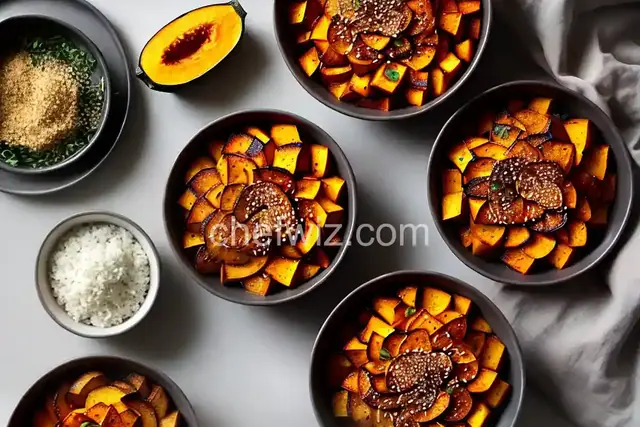
Gochujang-and-Sesame-Roasted Winter Squash
Rate this recipeBe the first to rate
 By AprilPublished
 Winter squash is a versatile and nutritious vegetable that can be enjoyed in a variety of ways.
 By AprilPublished
 Winter squash is a versatile and nutritious vegetable that can be enjoyed in a variety of ways.
Position oven racks in the upper and lower thirds of the oven and preheat to 425°.
In a large bowl, combine sesame seeds, oil, gochujang, and soy sauce. Whisk until well mixed.
Add the squash to the bowl and toss it in the sauce until evenly coated.
Divide the coated squash between two rimmed baking sheets, ensuring they are arranged in a single layer.
Roast the squash in the oven, rotating the baking sheets once, until the squash is tender and has browned edges (approximately 25-30 minutes).
Once cooked, transfer the roasted squash to a serving dish.
Garnish the dish with sliced scallions and a sprinkle of salt.
Serve and enjoy!
Winter squash is a versatile and nutritious vegetable that can be enjoyed in a variety of ways. One delicious way to prepare winter squash is by roasting it with gochujang and sesame. The combination of spicy gochujang and nutty sesame adds a burst of flavor to the sweet and tender squash. In this article, we will explore the goodness of gochujang and sesame roasted winter squash and how to make it at home.
Winter squash, such as butternut, acorn, and delicata, are packed with essential nutrients. They are a great source of vitamins A and C, potassium, and fiber. These nutrients support a healthy immune system, promote good digestion, and contribute to overall well-being.
Not only is winter squash nutritious, but it is also incredibly versatile. It can be used in soups, stews, salads, and even desserts. The natural sweetness of the squash lends itself well to both sweet and savory dishes.
Gochujang is a Korean chili paste that is made from fermented soybeans, red chili peppers, rice, and salt. It has a unique and complex flavor profile that is both spicy and slightly sweet. Gochujang adds depth and heat to any dish it is added to.
When combined with the sweetness of winter squash, gochujang creates a delightful balance of flavors. The spiciness of the gochujang enhances the natural sweetness of the squash, resulting in a taste sensation that will leave you wanting more.
Sesame seeds are a staple ingredient in many cuisines around the world. They have a nutty flavor and a delicate crunch that adds texture to any dish. Sesame seeds are also rich in healthy fats, protein, and fiber.
Roasting winter squash with sesame seeds takes the dish to a whole new level. The seeds become toasted and release their oils, infusing the squash with a deep and nutty aroma. The combination of gochujang and sesame creates a harmonious blend of flavors that will tantalize your taste buds.
To make gochujang and sesame roasted winter squash, start by preheating your oven to 400°F (200°C). Cut the squash in half lengthwise and remove the seeds. Slice the squash into wedges and place them on a baking sheet.
In a small bowl, mix together gochujang, sesame oil, soy sauce, and a touch of honey. Brush the mixture onto the squash, ensuring that each wedge is well coated. Sprinkle sesame seeds over the top. Roast the squash in the preheated oven for about 25-30 minutes, or until the edges are golden brown and caramelized.
Once the squash is roasted to perfection, remove it from the oven and let it cool slightly. Serve the gochujang and sesame roasted winter squash as a side dish or as a main course accompanied by a fresh salad or rice.
Gochujang and sesame roasted winter squash is a delightful dish that combines the sweetness of winter squash with the bold flavors of gochujang and sesame. The result is a mouth-watering treat that will satisfy both your taste buds and your nutritional needs. Whether served as a side dish or a main course, this recipe is sure to impress. So why not give it a try and experience the magic of gochujang and sesame for yourself?
Absolutely! While this recipe specifically mentions winter squash, you can try it with other varieties such as pumpkin or summer squash. The flavors will still work beautifully together.
Yes, gochujang does have a spicy kick to it. However, you can adjust the amount of gochujang used in the recipe to suit your taste preferences. If you prefer a milder version, simply reduce the amount of gochujang.
Sesame oil has a distinct flavor that complements the sesame seeds in this recipe. However, if you don't have sesame oil on hand, you can use olive oil or another mild-flavored oil as a substitute.
Yes, this recipe can easily be made vegan by omitting the honey or substituting it with a vegan sweetener such as maple syrup or agave nectar.
The squash should be tender when pierced with a fork and the edges should be golden brown and caramelized. You can also taste a piece to ensure it is cooked to your liking.
Absolutely! Feel free to experiment with other spices or herbs to customize the flavor profile of the dish. Some options include garlic powder, thyme, or even a sprinkle of chili flakes for an extra kick.
Yes, you can use roasted sesame seeds if you prefer. They will add an extra layer of flavor to the dish.
The leftovers can be stored in an airtight container in the refrigerator for up to 3 days. Simply reheat them in the oven or microwave before enjoying.
AprilCook, recipe developer and the heart of Chefwiz. More about April