Rolled Dumplings
Rate this recipeBe the first to rate
 By AprilPublished
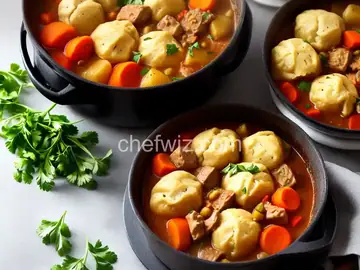
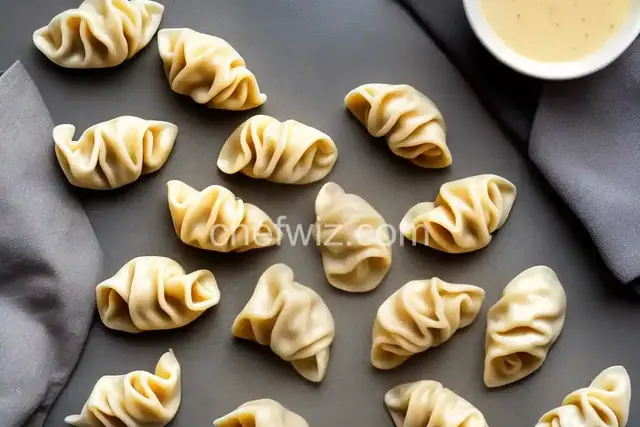
 Who doesn't love dumplings? These delightful little parcels of goodness are loved by people all around the world.
 By AprilPublished
 Who doesn't love dumplings? These delightful little parcels of goodness are loved by people all around the world.
In a bowl, combine flour, baking powder, and salt. Whisk them together.
Using a pastry blender, cut in the shortening until the mixture resembles coarse crumbs.
Add milk to the mixture and stir well until a stiff dough forms.
On a lightly floured surface, roll out the dough to about 1/8 inch thickness.
Cut the rolled-out dough into 1-inch squares, diamonds, or strips.
In a saucepan, bring the chicken broth to a boil.
Carefully add the dumplings to the boiling broth.
Reduce the heat to a simmer and cover the saucepan tightly.
Cook the dumplings until they are tender, which should take approximately 8 to 10 minutes.
Please note that the nutrition data provided for this recipe includes the full amount of broth. The actual amount consumed may vary.
Who doesn't love dumplings? These delightful little parcels of goodness are loved by people all around the world. One of the most popular types of dumplings is the rolled dumpling. In this article, we will explore the wonders of rolled dumplings, their history, and why they are the perfect comfort food. So, sit back, relax, and let's dive into the world of rolled dumplings!
Have you ever wondered where rolled dumplings originated? Well, let's take a journey back in time. Rolled dumplings have been a staple in many cultures for centuries. They have traveled across borders, adapting and evolving to fit different cuisines. Whether it's the Chinese jiaozi, the Polish pierogi, or the Italian ravioli, rolled dumplings have made their mark on the culinary world.
Rolled dumplings are loved by people of all ages and backgrounds. Perhaps it's their versatility that makes them so popular. You can stuff them with a variety of fillings, from meat to vegetables to cheese. They can be boiled, steamed, or fried, offering a range of textures and flavors. Rolled dumplings are like a blank canvas for your taste buds, allowing you to experiment and create your own culinary masterpiece.
Imagine a cold winter's day, with snow falling outside. What could be better than a steaming bowl of rolled dumplings? The warm, comforting broth, the tender dumplings, and the aromatic filling - it's a hug in a bowl. Rolled dumplings have a way of soothing both the body and the soul. They bring back memories of family gatherings, cozy evenings, and shared laughter. They are the ultimate comfort food.
Now that we know why rolled dumplings are so beloved, let's talk about how to make them. Making rolled dumplings from scratch may seem daunting, but with a few tips and tricks, you'll be rolling out dumplings like a pro.
The wrapper is the foundation of a good dumpling. You can make your own wrappers, but store-bought ones work just as well. Look for wrappers that are thin and pliable, ensuring they don't overpower the filling.
When it comes to filling, less is more. Overstuffing your dumplings can lead to leaks and burst dumplings. Aim for a tablespoon of filling for each dumpling, ensuring a perfect balance between wrapper and filling.
Folding dumplings can be a bit tricky at first, but practice makes perfect. There are various folding techniques you can try, from the classic crescent shape to the more intricate pleated dumplings. Find a technique that works for you and embrace the art of folding.
In conclusion, rolled dumplings are a true culinary delight. They have a rich history, are loved by people across cultures, and offer endless possibilities for creativity. Whether you're a seasoned chef or a novice in the kitchen, making rolled dumplings is a rewarding experience. So, gather your ingredients, roll up your sleeves, and let the magic of rolled dumplings unfold!
Absolutely! Rolled dumplings freeze well and can be stored for up to three months. Just make sure to wrap them tightly to prevent freezer burn.
Yes, you can! There are many gluten-free wrapper options available, such as rice paper or gluten-free flour-based wrappers. Experiment with different options and find the one that suits your dietary needs.
Of course! Rolled dumplings can be filled with a variety of meats, such as chicken, pork, beef, or even seafood. Feel free to mix and match to create your own unique flavor combinations.
Rolled dumplings can be a healthy choice, depending on the filling and cooking method. Opt for lean meats and plenty of vegetables for a nutritious option. Steaming or boiling the dumplings is also a healthier alternative to frying.
Absolutely! There are plenty of vegan-friendly filling options, such as tofu, mushrooms, or lentils. You can also make your own vegan wrappers using ingredients like flour, water, and salt.
To prevent dumplings from sticking together, make sure to give them enough space when cooking. If boiling, gently stir them occasionally to avoid sticking. If steaming, line the steamer with parchment paper or cabbage leaves to create a non-stick surface.
Absolutely! Store-bought broth works perfectly fine for dumplings. However, if you have the time, making your own broth from scratch can elevate the flavor of your dumplings to the next level.
Definitely! Rolled dumplings make a fantastic appetizer. Serve them with a dipping sauce, such as soy sauce or chili oil, and watch them disappear in no time.
And there you have it - everything you need to know about rolled dumplings. So, why not give them a try? Roll, fold, and savor the deliciousness of these little bundles of joy. Happy cooking!
AprilCook, recipe developer and the heart of Chefwiz. More about April