Risi e Bisi
Rate this recipeBe the first to rate
 By AprilPublished
 Are you a fan of Italian cuisine? Do you enjoy the vibrant flavors and comforting aromas that come from a traditional Italian kitchen?
 By AprilPublished
 Are you a fan of Italian cuisine? Do you enjoy the vibrant flavors and comforting aromas that come from a traditional Italian kitchen?
Cut scallions into 3 pieces and then slice each piece into thin strips.
Heat ¼ cup oil in a large saucepan over medium-high heat. Add the scallions and cook, stirring occasionally, until they become crispy and golden brown in some areas, which should take around 4-6 minutes. Transfer the scallions to paper towels to drain and season with salt. Set aside the oil in a small bowl for later use. Keep the saucepan.
In a medium pot, bring the broth to a simmer and keep it warm over medium-low heat.
Return the saucepan to the stove and add the pancetta and 2 tablespoons of oil. Cook over medium heat, stirring occasionally, until the fat starts to cook out, approximately 3 minutes.
Add the onion to the saucepan and cook, stirring often, until it becomes softened and golden, which should take around 5-8 minutes. Stir in the garlic and cook for about 1 more minute.
Stir in the rice and season with salt. Cook, stirring, until some of the grains become translucent, approximately 4 minutes. Add the wine and cook, stirring continuously, until most of the liquid evaporates, which should take around 3 minutes.
Gradually add 2 cups of the warm broth to the saucepan and simmer, stirring occasionally, until the rice absorbs the liquid, approximately 2-3 minutes.
Are you a fan of Italian cuisine? Do you enjoy the vibrant flavors and comforting aromas that come from a traditional Italian kitchen? If so, then you're in for a treat! In this article, we will explore the wonderful world of Risi e Bisi, a classic Italian dish that is sure to tantalize your taste buds and leave you craving for more.
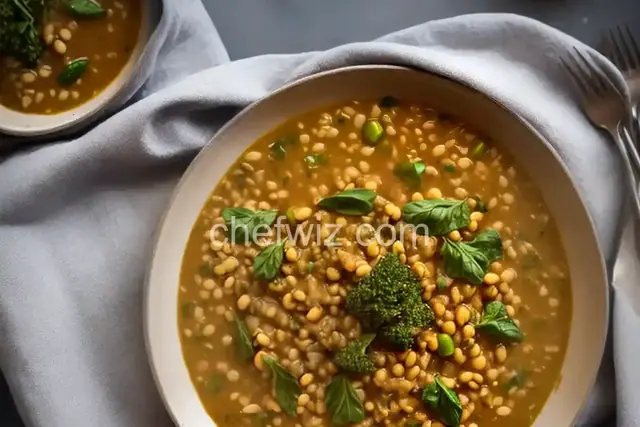
Risi e Bisi, which translates to "rice and peas," is a traditional dish hailing from the Veneto region of Italy. It is a simple yet flavorful dish that showcases the freshness and sweetness of peas. The dish is often described as a cross between a risotto and a soup, with the rice cooked until creamy and the peas adding a burst of vibrant color and flavor.
Like many traditional dishes, the origins of Risi e Bisi are deeply rooted in history and culture. It is said to have originated in the 16th century when Venice was a powerful maritime republic. Peas were considered a luxurious ingredient during this time, and Risi e Bisi was often enjoyed by the aristocracy and wealthy merchants.
Making Risi e Bisi is a relatively simple and straightforward process. It starts with sautéing onions and pancetta in a large pot until they turn golden and fragrant. Then, Arborio rice is added and cooked until it absorbs the flavors of the onions and pancetta. The dish is then slowly cooked with vegetable broth, allowing the rice to become creamy and tender. Finally, fresh peas are added and cooked until they are tender but still retain their vibrant green color.
While the traditional Risi e Bisi recipe is delicious on its own, there are several variations that add unique twists to the dish. Some recipes call for the addition of Parmesan cheese, which adds a rich and creamy texture to the rice. Others may include fresh herbs like mint or parsley, which add a refreshing and aromatic element to the dish. You can even experiment with different types of peas, such as sugar snap peas or snow peas, to add a crunchy texture.
Risi e Bisi is best enjoyed fresh off the stove, when the rice is still creamy and the peas are tender. It can be served as a main course, accompanied by a crusty bread and a fresh green salad. Alternatively, it can be served as a side dish, complementing a variety of meat or fish dishes. The dish is versatile and can be enjoyed year-round, but it is particularly popular during the springtime when fresh peas are in season.
Risi e Bisi is a delightful Italian dish that celebrates the beauty and simplicity of fresh peas. With its creamy rice and vibrant green peas, it is a dish that is sure to please both your palate and your senses. Whether enjoyed as a main course or a side dish, Risi e Bisi is a true testament to the rich culinary heritage of Italy. So why not give it a try and experience the flavors of Italy in your own kitchen?
Yes, you can use frozen peas if fresh peas are not available. Just make sure to thaw them before adding them to the dish.
Absolutely! Simply omit the pancetta and use vegetable broth instead of chicken or beef broth.
You can add extra herbs and spices, such as garlic, thyme, or lemon zest, to enhance the flavor of the dish.
While Arborio rice is traditionally used for Risi e Bisi, you can experiment with other types of short-grain rice, such as Carnaroli or Vialone Nano.
Yes, Risi e Bisi is a nutritious dish that is packed with vitamins and minerals from the peas. It is also low in fat and high in fiber.
Yes, you can freeze Risi e Bisi for later consumption. Just make sure to cool it completely before transferring it to an airtight container.
While peas are the star ingredient of Risi e Bisi, you can experiment with adding other vegetables, such as asparagus or artichokes, to create your own unique version of the dish.
While rice is the traditional grain used in Risi e Bisi, you can try substituting it with other grains, such as barley or farro, for a different twist.
AprilCook, recipe developer and the heart of Chefwiz. More about April