Prosecco Grapes
Rate this recipeBe the first to rate
 By AprilPublished
 Have you ever wondered what makes Prosecco so special? It's not just the bubbles or the elegant flute that it's served in.
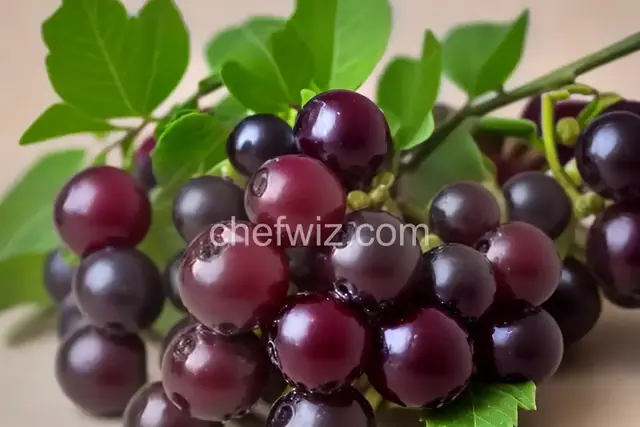 By AprilPublished
 Have you ever wondered what makes Prosecco so special? It's not just the bubbles or the elegant flute that it's served in.
Start by placing the grapes in a large bowl.
Pour prosecco and vodka over the grapes in the bowl.
Place the bowl with the grapes in the refrigerator and let them soak for at least 1 hour.
After the soaking time, remove the grapes from the bowl and drain them using a colander.
Gently pat the grapes dry with a paper towel.
Transfer the grapes to a small baking sheet.
Sprinkle sugar over the grapes on the baking sheet.
Shake the baking sheet back and forth to ensure that the grapes are fully coated in sugar.
Serve the sugar-coated grapes in a bowl.
Have you ever wondered what makes Prosecco so special? It's not just the bubbles or the elegant flute that it's served in. It's the grapes that give this sparkling wine its unique character and flavor. In this article, we delve into the world of Prosecco grapes and discover why they are the perfect choice for creating this delightful beverage.
Prosecco grapes are a variety of white grape native to the Veneto region of Italy. Grown primarily in the hilly areas of Conegliano and Valdobbiadene, these grapes are the backbone of Prosecco wine production. The two main types of Prosecco grapes are Glera and Verdiso, with Glera being the most commonly used.
One of the reasons why Prosecco is loved by many is its distinct flavor profile. Prosecco grapes contribute to this with their unique characteristics. Glera grapes, for example, are known for their crispness and floral notes, giving Prosecco its refreshing and aromatic qualities. Verdiso grapes, on the other hand, bring a touch of acidity and tartness to the wine, adding complexity to its taste.
Prosecco grapes strike the perfect balance between sweetness and acidity. This balance is crucial in creating a well-rounded and harmonious sparkling wine. The natural sweetness of the grapes is carefully balanced with the right amount of acidity, resulting in a sparkling wine that is neither too sweet nor too tart. It's this balance that makes Prosecco such a versatile wine, suitable for a variety of occasions.
Prosecco grapes are not just limited to the production of sparkling wine. They can also be used to create still wines and even dessert wines. The versatility of these grapes allows winemakers to experiment and create different styles of wine to cater to different palates. Whether you prefer a dry Prosecco or a sweeter version, there's a Prosecco grape variety for every wine lover.
The journey of Prosecco grapes from the vine to the glass is a fascinating one. These grapes are hand-picked at the peak of their ripeness to ensure the best quality. They are then gently pressed to extract the juice, which is then fermented to create the base wine. The base wine undergoes a second fermentation in a closed tank, where the bubbles are formed. After this process, the wine is aged, bottled, and ready to be enjoyed.
Prosecco grapes not only make a delightful wine on their own but also pair well with a variety of foods. Their crispness and acidity make them an excellent choice for pairing with seafood, salads, and light appetizers. The bubbles in Prosecco also act as a palate cleanser, making it a great choice to accompany rich and creamy dishes. So whether you're enjoying a leisurely brunch or celebrating a special occasion, Prosecco grapes are the perfect companion.
Prosecco grapes are the heart and soul of Prosecco wine. Their unique flavor profile, perfect balance, and versatility make them the ideal choice for creating this sparkling delight. Whether you're a wine enthusiast or a casual drinker, Prosecco grapes are sure to leave a lasting impression on your taste buds. So raise your glass and toast to the wonderful world of Prosecco!
Prosecco is best served chilled, ideally between 40-45°F (4-7°C). This temperature allows the flavors and aromas to shine without being overshadowed by extreme coldness.
No, Prosecco grapes are primarily used for making white and sparkling wines. They are not suitable for producing red wines.
An open bottle of Prosecco can be stored in the refrigerator for up to 3-5 days. To maintain its freshness, it's best to reseal it with a wine stopper or a sparkling wine closure.
While there are organic Prosecco wines available, not all Prosecco grapes are grown organically. Some wineries follow organic and sustainable practices, while others may use conventional farming methods.
Prosecco grapes are primarily grown in the Veneto region of Italy. However, there are some experimental plantings in other parts of the world, such as Australia and the United States.
Prosecco and Champagne are both sparkling wines, but they come from different regions and use different grape varieties. Prosecco is made from Glera grapes in Italy, while Champagne is made from Chardonnay, Pinot Noir, and Pinot Meunier grapes in the Champagne region of France.
Absolutely! Prosecco grapes make a great addition to cocktails. Their vibrant flavors and effervescence add a refreshing touch to classic cocktails like mimosas and bellinis.
Prosecco grapes are generally gluten-free and vegan-friendly. However, it's always advisable to check the label or consult with the winery to ensure that it meets your specific dietary requirements.
AprilCook, recipe developer and the heart of Chefwiz. More about April