Kung Pao Spaghetti
Rate this recipeBe the first to rate
 By AprilPublished
 Have you ever wondered what happens when two culinary traditions collide?
 By AprilPublished
 Have you ever wondered what happens when two culinary traditions collide?
Boil a large pot of salted water and cook the pasta until it is firm to the bite, following the instructions on the package. Drain the pasta.
Meanwhile, heat oil in a large skillet over medium-high heat. Season the chicken with salt and pepper, then add it to the skillet. Cook the chicken, stirring occasionally, until it turns golden and is thoroughly cooked, which should take around 6 to 8 minutes. Remove the chicken from the skillet.
Add the garlic to the skillet and cook until it becomes fragrant, which should take about 1 minute. Stir in the cornstarch until it is evenly mixed. Then, whisk in the soy sauce, chicken broth, sweet chili sauce, sriracha, and rice wine vinegar until everything is well combined. Simmer the mixture for about 1 to 2 minutes until it reduces slightly.
Add the cooked pasta, chicken, peanuts, and scallions to the skillet. Toss everything together until it is completely coated with the sauce.
Have you ever wondered what happens when two culinary traditions collide? The result can be truly remarkable, offering a delightful explosion of flavors. One such fusion dish that has gained popularity over the years is Kung Pao Spaghetti. This unique combination of Chinese and Italian cuisines brings together the best of both worlds, creating a tantalizing dish that will leave your taste buds craving for more.
Like many fusion dishes, the origins of Kung Pao Spaghetti are somewhat shrouded in mystery. Some say it was invented by a creative chef looking to experiment with flavors, while others claim it was a happy accident born out of a mix-up in the kitchen. Regardless of its origins, one thing is for sure - Kung Pao Spaghetti has become a beloved dish in many homes and restaurants around the world.
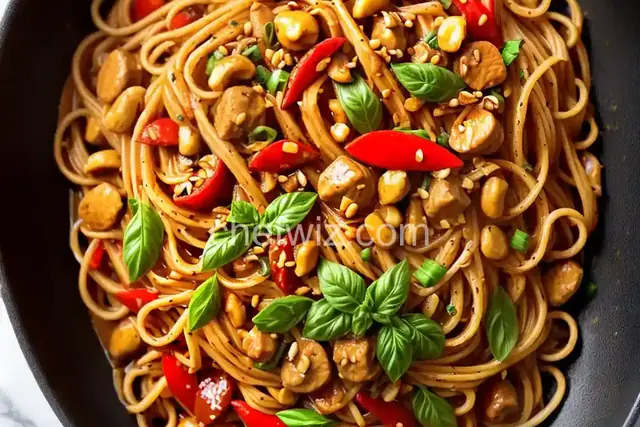
What sets Kung Pao Spaghetti apart is its ability to balance the bold flavors of Chinese cuisine with the comforting familiarity of Italian pasta. The dish typically consists of al dente spaghetti tossed in a savory and slightly spicy sauce, packed with ingredients like peanuts, bell peppers, and chicken or shrimp. The result is a harmonious blend of sweet, tangy, and spicy flavors that dance on your palate with every bite.
Chinese cuisine is known for its diverse range of flavors, from the fiery heat of Sichuan peppercorns to the delicate sweetness of hoisin sauce. Kung Pao Spaghetti draws inspiration from one of the most beloved dishes in Chinese cuisine - Kung Pao Chicken. The sauce used in Kung Pao Spaghetti often incorporates key elements of the traditional Kung Pao sauce, such as soy sauce, vinegar, and chili flakes. These flavors add depth and complexity to the dish, giving it a unique and irresistible taste.
On the other hand, Italian pasta brings a sense of comfort and familiarity to Kung Pao Spaghetti. The al dente texture of the spaghetti provides a satisfying bite, while the neutral flavor of the pasta allows the bold flavors of the sauce to shine through. The combination of Chinese and Italian ingredients creates a dish that is both exciting and comforting, making it a perfect choice for those seeking something different yet familiar.
Now that you're intrigued by the idea of Kung Pao Spaghetti, you might be wondering how to recreate this fusion dish in your own kitchen. The good news is that it's relatively simple to make, requiring just a handful of ingredients and a few easy steps. Whether you're a seasoned cook or a beginner in the kitchen, you'll find joy in preparing this delicious dish.
To make Kung Pao Spaghetti, you'll need the following ingredients:
These ingredients can be easily found in most grocery stores, making it convenient to whip up a batch of Kung Pao Spaghetti whenever the cravings strike.
The cooking process for Kung Pao Spaghetti involves a few simple steps:
And voila! Your homemade Kung Pao Spaghetti is ready to be enjoyed.
Absolutely! You can easily substitute the chicken or shrimp with tofu or your favorite vegetables to make a delicious vegetarian version of Kung Pao Spaghetti.
It can be if you want it to be. The level of spiciness in Kung Pao Spaghetti can be adjusted according to your preference by adding more or less chili flakes.
Of course! While spaghetti is the traditional choice, feel free to experiment with other types of pasta, such as linguine or fettuccine, to create your own unique twist on Kung Pao Spaghetti.
Yes, you can prepare the sauce and cook the spaghetti ahead of time. When you're ready to serve, simply reheat the sauce and toss it with the cooked spaghetti.
Kung Pao Spaghetti is a complete meal on its own, but if you want to add some extra sides, consider serving it with a fresh salad or some steamed vegetables.
It's not recommended to freeze Kung Pao Spaghetti as the texture of the spaghetti may become mushy upon thawing. It's best enjoyed fresh.
AprilCook, recipe developer and the heart of Chefwiz. More about April