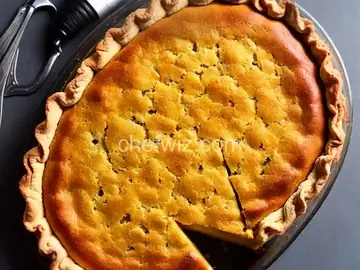
Portuguese Egg Tarts
Rate this recipeBe the first to rate
 By AprilPublished
 Have you ever craved a dessert that is both sweet and savory, with a delicate flaky crust and a rich, creamy custard filling?
 By AprilPublished
 Have you ever craved a dessert that is both sweet and savory, with a delicate flaky crust and a rich, creamy custard filling?
Preheat the oven to 400 degrees F (200 degrees C).
Use cooking spray to grease 12 muffin cups.
Place the pie crust mix in a bowl and gently combine the butter and water with the mix until it forms a cohesive ball.
Transfer the dough onto a floured surface and knead it a few times to make it more elastic.
Shape the dough into a ball, then divide it in half. Divide each half into quarters, resulting in 4 pieces.
Cut each quarter into thirds to make a total of 12 pieces.
Roll each piece into a ball and set aside.
In a separate bowl, whisk together the egg yolks, sugar, cream, milk, and vanilla extract until the mixture becomes light and foamy (approximately 3 minutes).
Strain the filling through a fine mesh strainer into a clean bowl.
Press one dough ball into the bottom and about 1 1/2 inches up the sides of each greased muffin cup. Repeat this step for the remaining dough balls.
Spoon the egg yolk mixture into each crust, filling them about 80 percent full.
Bake in the preheated oven for 15 to 20 minutes, or until the crusts turn golden brown, the filling is set, and the tarts become lightly browned.
Have you ever craved a dessert that is both sweet and savory, with a delicate flaky crust and a rich, creamy custard filling? Look no further than Portuguese Egg Tarts! These delightful pastries are a true culinary gem from Portugal, known for their unique flavor and irresistible charm. In this article, we will take a journey into the world of Portuguese Egg Tarts, exploring their origins, ingredients, and the secrets to making them at home.
Portuguese Egg Tarts, also known as Pastéis de Nata, have a fascinating history that dates back to the 18th century. These delicious treats were first created by Catholic monks in Lisbon, Portugal. Seeking a way to use up excess egg yolks leftover from the starching of clothes, the monks ingeniously combined them with sugar, cinnamon, and vanilla to create the custard filling we know and love today.
The magic of Portuguese Egg Tarts lies in the perfect marriage of flavors. The crisp, flaky pastry shell, made with layers of buttery puff pastry, provides a delightful contrast to the rich, creamy custard filling. The custard itself is a harmonious blend of eggs, sugar, milk, and a hint of vanilla, resulting in a silky smooth texture and a subtly sweet taste. The tarts are traditionally dusted with cinnamon, adding a warm, aromatic touch to each bite.
While Portuguese Egg Tarts may seem like a complex dessert to make, with the right recipe and technique, you can recreate this delectable treat in your own kitchen. The key lies in achieving the perfect balance between the crispness of the pastry and the creamy texture of the custard. The pastry dough needs to be rolled thinly and then carefully folded to create those distinct, flaky layers. The custard should be gently cooked until it thickens, ensuring a smooth and velvety consistency.
While they require some patience and precision, with the right recipe and technique, anyone can successfully make Portuguese Egg Tarts at home.
Yes, using store-bought puff pastry can save you time and effort. Just make sure to choose a high-quality brand for the best results.
Yes, you can freeze Portuguese Egg Tarts. After baking, let them cool completely, then place them in an airtight container or freezer bag and freeze for up to three months. To enjoy, simply thaw them at room temperature or reheat them in the oven until warmed through.
While there are variations of egg custard tarts in different cuisines, Portuguese Egg Tarts have their own unique flavor and texture, thanks to the combination of ingredients and the flaky pastry crust.
While the traditional Portuguese Egg Tarts are made with a simple vanilla custard, you can experiment with adding other flavors such as lemon zest, almond extract, or even a splash of liqueur to customize the taste.
Absolutely! You can use a mini muffin tin to create adorable bite-sized Portuguese Egg Tarts that are perfect for parties or a sweet indulgence.
Portuguese Egg Tarts are best enjoyed warm, with the crisp pastry and creamy custard melting in your mouth. Pair them with a cup of freshly brewed coffee or a glass of Portuguese port wine for a truly delightful experience.
Yes, Portuguese Egg Tarts have gained popularity worldwide, and you can often find them in Portuguese bakeries or specialty dessert shops in different countries.
Yes, Portuguese Egg Tarts are suitable for vegetarians, as they are made with eggs, milk, and butter.
In conclusion, Portuguese Egg Tarts are a sweet delight that will transport you to the charming streets of Portugal. From their humble origins to their irresistible flavors, these custard-filled pastries are a true culinary treasure. Whether you decide to try making them at home or seek them out in a local bakery, be prepared for a taste sensation that will leave you craving more.
AprilCook, recipe developer and the heart of Chefwiz. More about April