Pickled Hot Peppers
Rate this recipeBe the first to rate
 By AprilPublished
 Are you someone who loves a little heat in your meals? Do you enjoy that satisfying fiery kick that only hot peppers can provide?
 By AprilPublished
 Are you someone who loves a little heat in your meals? Do you enjoy that satisfying fiery kick that only hot peppers can provide?
Inspect five pint-sized jars for cracks and rings for rust, and discard any defective ones.
Immerse the jars in simmering water until the peppers are ready.
Wash new, unused lids and rings in warm soapy water.
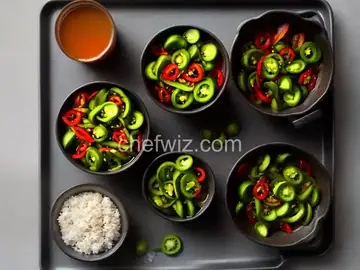
In a large pot, combine banana peppers, jalapeño peppers, serrano peppers, vinegar, water, onion, and garlic.
Bring the mixture to a boil over medium-high heat, then reduce the heat to medium-low and simmer for 5 minutes.
Ladle the peppers and liquid into hot, sterilized jars, filling them to within 1/4 inch of the top.
Use a clean knife or thin spatula to remove any air bubbles from the jars.
Wipe the rims of the jars with a moist paper towel to remove any residue.
Top the jars with lids and screw the rings on tightly.
Place a rack in the bottom of a large stockpot and fill it halfway with water. Bring the water to a boil.
Lower the jars, 2 inches apart, into the boiling water using a holder.
Pour in more boiling water to cover the jars by at least 1 inch.
Bring the water to a rolling boil, cover the pot, and process the jars for 10 to 15 minutes.
Remove the jars from the stockpot and let them rest, several inches apart, for 12
Are you someone who loves a little heat in your meals? Do you enjoy that satisfying fiery kick that only hot peppers can provide? If so, then pickled hot peppers may just become your new favorite condiment. These tangy and spicy peppers not only add a burst of flavor to your dishes but also offer a range of health benefits. In this article, we will explore the world of pickled hot peppers, from their origins to different ways to enjoy them. So, let's dive in and discover how these little peppers can spice up your culinary adventures!
Pickling has been used as a preservation method for centuries, allowing people to enjoy the flavors of various foods long after their harvest season. This technique involves immersing the peppers in a brine solution consisting of vinegar, water, salt, and sometimes sugar or spices. The acidic nature of the vinegar helps to preserve the peppers while enhancing their taste and texture.
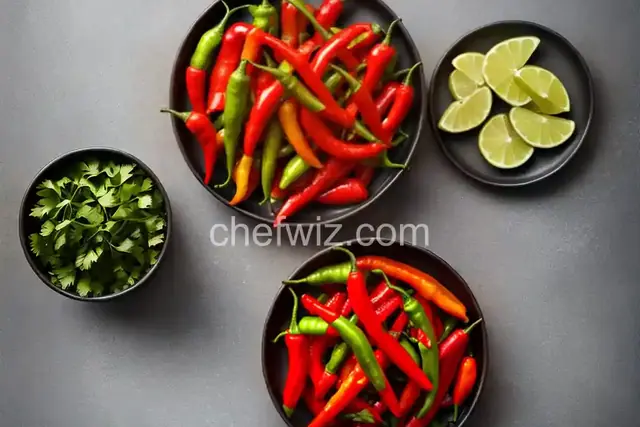
From mild to mouth-blazing, pickled hot peppers come in a variety of heat levels to suit different taste preferences. Whether you prefer a subtle heat or crave a fiery explosion in your mouth, there is a pickled hot pepper for everyone. Some popular varieties include jalapenos, serranos, habaneros, and cherry peppers. Each type brings its own unique flavor profile, allowing you to experiment and find the perfect balance of heat and taste.
The beauty of pickled hot peppers lies in their versatility. These zesty condiments can be used in countless ways to elevate your meals. Here are just a few ideas to get your taste buds tingling:
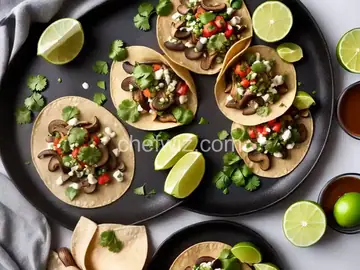
Sprinkle pickled hot peppers on top of pizzas, burgers, tacos, or sandwiches for an extra punch of flavor. The tanginess of the peppers complements the richness of these dishes, creating a delightful combination.
Chop up pickled hot peppers and mix them with mayonnaise or cream cheese to create a zesty spread for your sandwiches. This adds a layer of tangy heat that takes your sandwich experience to a whole new level.
Add pickled hot peppers to your salads or salsas to give them a spicy twist. The peppers bring a burst of flavor that cuts through the freshness of the vegetables, creating a harmonious balance.
Infuse your marinades and sauces with the tangy goodness of pickled hot peppers. They can add depth and complexity to your dishes, turning a simple recipe into a culinary masterpiece.
Besides their incredible taste, pickled hot peppers offer several health benefits. They are rich in vitamins A and C, which are essential for maintaining a strong immune system. Additionally, the capsaicin in hot peppers has been found to have anti-inflammatory and metabolism-boosting properties. So, not only do pickled hot peppers spice up your meals, but they also contribute to your overall well-being.
Pickled hot peppers are a flavorful and versatile condiment that can add a fiery twist to your meals. Whether you enjoy them as toppings, spreads, or marinades, these tangy peppers are sure to spice up your culinary adventures. With their health benefits and various ways to enjoy them, pickled hot peppers are a must-have in any spicy food lover's pantry. So, go ahead and explore the world of pickled hot peppers – your taste buds will thank you!
While many people enjoy the spicy kick of pickled hot peppers, it's important to note that they may not be suitable for individuals with sensitive stomachs or certain medical conditions. It's always a good idea to consult with a healthcare professional if you have any concerns.
Properly stored pickled hot peppers can last for several months in the refrigerator. It's important to keep them in airtight containers to maintain their freshness and flavor.
Absolutely! Pickling hot peppers at home is a fun and rewarding experience. You can experiment with different flavors and create your own unique blends. There are plenty of recipes and guides available online to help you get started.
Yes, pickled hot peppers are known for their spiciness. The level of heat varies depending on the type of pepper used and personal preferences.
Pickled hot peppers can be frozen, but the texture may change slightly. It's best to consume them within a few months of pickling for optimal taste and texture.
Absolutely! Pickled hot peppers can add a burst of flavor to various dishes, including soups, stews, stir-fries, and more. Get creative and explore the endless possibilities!
Pickled hot peppers are generally low in calories, making them a great option for adding flavor to your meals without adding excessive calories.
Some studies suggest that the capsaicin in hot peppers may aid digestion and promote a healthy gut. However, individual experiences may vary, and it's always best to listen to your body.
AprilCook, recipe developer and the heart of Chefwiz. More about April