Pickled Corn
Rate this recipeBe the first to rate
 By AprilPublished
 Imagine the sweet crunch of fresh corn on the cob, combined with the tangy zing of pickling.
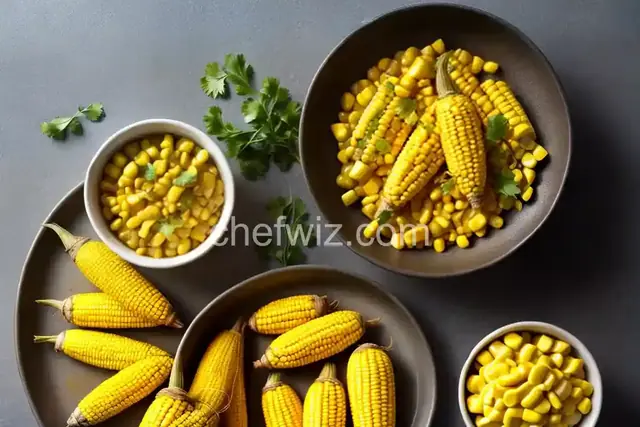 By AprilPublished
 Imagine the sweet crunch of fresh corn on the cob, combined with the tangy zing of pickling.
Cook the corn in a large pot of boiling water with a pinch of salt until it is tender but still crisp, for approximately 4 minutes.
Using a slotted spoon, transfer the corn to a bowl of ice water to cool. Once cooled, drain the corn.
In a 4-quart glass or ceramic jar, layer the corn, garlic, chiles, and peppercorns.
In a large bowl, dissolve 5 1/2 tablespoons of salt in 2 quarts of water. Stir well.
Pour the saltwater mixture over the corn mixture in the jar, ensuring that the vegetables are submerged by at least 2 inches.
Place several plates or small bowls on top of the vegetables to weigh them down and keep them submerged.
Cover the jar with plastic wrap or a lid.
Let the jar stand in a dark and cool place, such as a cellar, closet, or pantry, at room temperature (ideally around 68°–70°F) for 4 days to pickle.
After 4 days, taste the corn. If you desire a stronger flavor, let it sit for an additional 1-2 days.
Once the desired flavor is achieved, the pickled corn can be served immediately or refrigerated for up to 3 weeks.
Imagine the sweet crunch of fresh corn on the cob, combined with the tangy zing of pickling. Mouthwatering, isn't it? Pickled corn is a delightful twist to traditional summer treats that adds a burst of flavor to any dish. In this article, we will explore the world of pickled corn, its benefits, and how you can incorporate it into your culinary creations.
Pickling is an age-old preservation technique that has been used for centuries to prolong the shelf life of various foods. It involves immersing food items in a brine solution, typically consisting of vinegar, water, salt, and spices. The acidic nature of the brine helps preserve the food and imparts a unique flavor profile.
Pickled vegetables, such as cucumbers, onions, and carrots, have long been popular additions to sandwiches, salads, and relish trays. But have you ever considered pickling corn? It's a fantastic way to enjoy the natural sweetness of corn in a tangy, flavorful form.
Not only does pickled corn taste amazing, but it also offers several health benefits. Firstly, pickling preserves the nutritional value of corn, ensuring that you benefit from its vitamins, minerals, and fiber content. Additionally, the brine used in pickling contains vinegar, which is known to aid digestion and promote a healthy gut.
Furthermore, pickled corn is a versatile ingredient that can be used in various dishes. It adds a pop of color and tangy flavor to salads, tacos, and wraps. You can even enjoy it as a standalone snack or mix it with other pickled vegetables for a delightful pickle platter.
Making pickled corn is a straightforward process that can be done in the comfort of your own kitchen. Start by shucking and cleaning fresh ears of corn, making sure to remove any silk or debris. Then, using a sharp knife, carefully cut the kernels off the cob.
Next, prepare the brine by combining vinegar, water, salt, and your choice of spices in a saucepan. Bring the mixture to a boil, ensuring that the salt is fully dissolved. Once the brine is ready, add the corn kernels and allow them to simmer for a few minutes.
Finally, transfer the pickled corn and brine into clean, sterilized jars, making sure to leave some headspace. Seal the jars tightly and refrigerate them for at least 24 hours to allow the flavors to meld together. Your homemade pickled corn is now ready to be enjoyed!
Pickled corn is a versatile and flavorful addition to any kitchen. Its tangy taste, coupled with the natural sweetness of corn, makes it an irresistible treat. Whether you enjoy it as a standalone snack or incorporate it into various dishes, pickled corn is sure to elevate your culinary creations. So, why not give it a try and savor the delightful twist of pickled corn?
Yes, you can use frozen corn for pickling. Simply thaw the corn before cutting it off the cob and proceed with the pickling process as usual.
Properly stored pickled corn can last for several months in the refrigerator. Just make sure to check for any signs of spoilage before consuming.
Absolutely! Feel free to experiment with different spices and peppers to achieve your desired level of spiciness. You can add jalapenos, red pepper flakes, or even a dash of hot sauce to give your pickled corn an extra kick.
While pickled corn is typically refrigerated, you can also preserve it using a canning process for long-term storage. Make sure to follow proper canning procedures to ensure safety.
Absolutely! Pickled corn can be a fantastic addition to hot dishes such as stir-fries, soups, and stews. Its tangy flavor adds a refreshing twist to hearty meals.
It is generally not recommended to reuse pickling brine, as it may contain bacteria or spoilage from the previous batch. It's best to prepare a fresh brine for each pickling endeavor.
Definitely! Pickled corn pairs well with other vegetables like bell peppers, onions, and carrots. Experiment with different combinations to create your own signature pickled vegetable mix.
Aside from using pickled corn in salads and tacos, you can also incorporate it into salsas, relishes, and even cornbread. Let your culinary imagination run wild!
AprilCook, recipe developer and the heart of Chefwiz. More about April