Persian Tahdig Rice
Rate this recipeBe the first to rate
 By AprilPublished
 Have you ever tried a dish that combines the comforting flavors of rice with a tantalizing crispy crust?
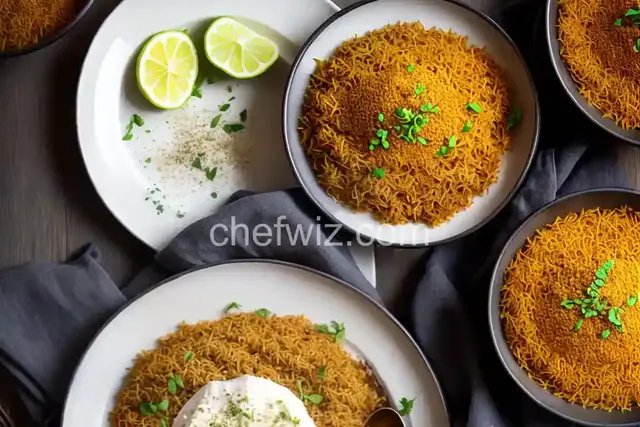 By AprilPublished
 Have you ever tried a dish that combines the comforting flavors of rice with a tantalizing crispy crust?
Grind the saffron threads and sugar together using a mortar and pestle. Then, transfer the mixture to a bowl and dissolve it in boiling water. Set it aside to soak.
Wash the rice in a 4-quart nonstick pot to remove the starch. Rinse the rice 3 or 4 times with lukewarm water until the water runs clear. Fill the pot with cold water, covering the rice about 3/4 full. Bring it to a boil and add olive oil. Cook the rice for 10 to 15 minutes until it is soft on the outside but still crunchy in the middle.
Drain the rice and rinse it with cool water. Set it aside. Also, rinse any leftover rice starch out of the pot.
Melt the butter in the clean and dry pot. Then, place the rice on top of the butter, making a mound. Add enough water to reach 1/3 of the height of the rice. Sprinkle salt over the rice. Cover the pot tightly with a lid wrapped in a kitchen towel. Simmer it over medium heat for about 10 minutes until all the water is absorbed and a crispy crust starts to form on the bottom.
Fluff the rice with a fork and transfer it to a plate. Take 1 cup of the rice and mix it with the saffron water. Sprinkle the saffron rice over the plain rice. Remove the layer of
Have you ever tried a dish that combines the comforting flavors of rice with a tantalizing crispy crust? If not, then you're in for a treat! Persian Tahdig Rice is a delightful Persian delicacy that will take your taste buds on a flavorful journey. This dish is not only visually appealing but also offers a unique texture that will leave you craving for more. So, let's dive into the world of Persian cuisine and uncover the secrets of this crispy rice delight!
Imagine biting into a spoonful of perfectly cooked rice, only to be greeted by a crispy, golden crust that adds a whole new dimension to the dish. That's what Tahdig is all about - creating a beautiful contrast between the soft rice and the crunchy crust. It's like discovering hidden treasure in every bite!
Making Tahdig requires a careful balance of technique and patience. The rice is cooked in a pot with a layer of oil or butter at the bottom, allowing it to create a crispy crust as it cooks. The result is a stunning masterpiece that adds texture and flavor to any meal.
When it comes to Persian cuisine, Basmati rice is the star of the show. Its long grains, delicate aroma, and fluffy texture make it the perfect choice for Tahdig. The fragrance of Basmati rice permeates the entire dish, infusing it with a subtle yet captivating aroma that is simply irresistible.
Before cooking the rice, it's important to rinse it thoroughly to remove any excess starch. This helps to achieve perfectly separate grains that will create the ideal texture for your Tahdig. Soaking the rice for a short period of time also ensures even cooking and fluffiness.
One of the most exciting aspects of Persian Tahdig Rice is the endless possibilities for customization. Whether you prefer a classic saffron-infused Tahdig or want to experiment with different flavors like dill, barberries, or even potatoes, the choice is yours. Each variation adds its own unique twist, making every bite a delightful surprise.
So, next time you're in the mood for a culinary adventure, why not try your hand at creating your own version of Tahdig? Let your creativity run wild and discover a whole new world of flavors!
1. What is the origin of Tahdig?
Tahdig originated in Persia and is a beloved part of Persian cuisine.
2. Can I make Tahdig with other types of rice?
While Basmati rice is traditionally used, you can experiment with other long-grain rice varieties to create your own unique twist on Tahdig.
3. What are some popular variations of Tahdig?
Some popular variations include saffron Tahdig, dill Tahdig, barberry Tahdig, and potato Tahdig.
4. Is Tahdig difficult to make?
Tahdig requires attention to detail and patience, but with practice, you'll be able to master the art of creating a perfect golden crust.
5. Can Tahdig be served as a standalone dish?
Yes, Tahdig can be enjoyed on its own as a delicious snack or appetizer.
6. What are some dishes that pair well with Tahdig?
Tahdig is often served alongside stews, kebabs, or grilled meats, adding a delightful crunch and flavor to the meal.
7. How do I achieve a crispy crust?
To achieve a crispy crust, it's important to cook the rice on low heat and allow it to develop a golden color. Patience is key!
8. Can I make a vegetarian or vegan version of Tahdig?
Absolutely! You can use vegetable oil or vegan butter as a substitute for animal-based fats, making it suitable for vegetarian and vegan diets.
Persian Tahdig Rice is a culinary masterpiece that combines the simplicity of rice with the elegance of a golden crust. It's a dish that not only satisfies the taste buds but also delights the senses with its visual appeal and unique textures. So, why not embark on a gastronomic adventure and give this delightful Persian delicacy a try? Your taste buds will thank you!
AprilCook, recipe developer and the heart of Chefwiz. More about April