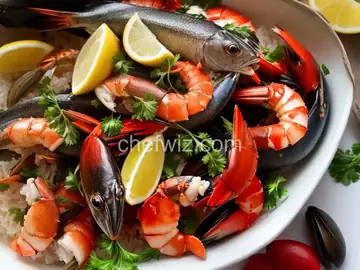
Peel and Eat Boiled Shrimp
Rate this recipeBe the first to rate
 By AprilPublished
 Have you ever craved a plate of succulent, juicy shrimp that you can simply peel and devour?
 By AprilPublished
 Have you ever craved a plate of succulent, juicy shrimp that you can simply peel and devour?
Request your fishmonger to provide you with easy-peel shell-on shrimp that have been deveined. If unavailable, prepare the shrimp yourself. Here's how: Use scissors to cut down the center of the curved back of each shrimp shell, starting from the top and going down to the tail. Cut through both the shell and the top layer of flesh to expose the shrimp's digestive tract. There is a natural hole at the top of the severed head; begin cutting from there to easily reveal the digestive tract. Next, use a paring knife to remove and discard the vein that runs down the center. If you find this process uncomfortable, consider wearing gloves. You will quickly become accustomed to it and realize that it is easier than peeling raw shrimp.
Fill a large pot with 12 cups (3 L) of water and add the juice of the lemons, as well as the squeezed halves, to the pot for an additional infusion of lemon flavor. Stir in the salt, sugar, and bay leaves, then heat the mixture over high heat until it reaches a boil.
Place a large bowl filled with ice water next to the stove. This will be used to cool down the shrimp and prevent them from overcooking.
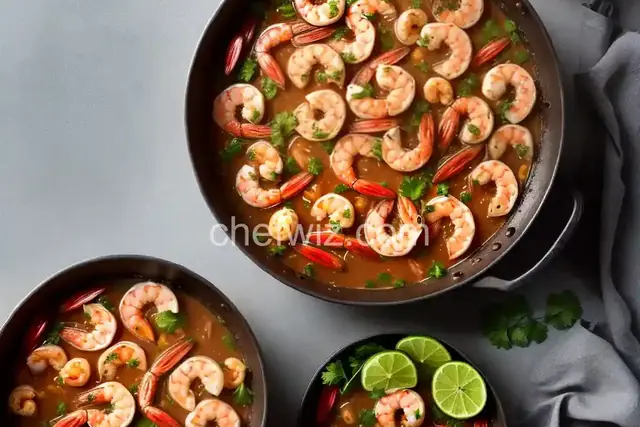
Carefully add the prepared shrimp to the boiling water and cook, stirring occasionally, until they turn pink and opaque. This should take approximately 3 minutes. Immediately transfer the cooked shrimp to the ice bath using a sl
Have you ever craved a plate of succulent, juicy shrimp that you can simply peel and devour? Look no further! In this article, we will explore the art of preparing and enjoying peel and eat boiled shrimp, taking your seafood experience to a whole new level. Get ready to dive into this shrimp-filled adventure!
Before we dive into the cooking process, it's essential to select the right shrimp for the job. Look for fresh shrimp that have a bright color, firm texture, and a mild oceanic scent. Freshness is key here, as it ensures a delightful taste and pleasant texture.
Now that you have your fresh shrimp, it's time to prepare them for boiling. Start by rinsing them under cold water to remove any dirt or debris. You can also devein the shrimp if desired, although it's purely a personal preference. Pat them dry with a paper towel to ensure a better boil.
The next step is the most crucial one - boiling the shrimp to perfection. Fill a large pot with water and bring it to a rolling boil. Add salt, spices, and seasonings of your choice to infuse the shrimp with flavor. Then, carefully drop the shrimp into the pot and let them cook for a few minutes until they turn pink and opaque.
To take your peel and eat boiled shrimp to the next level, consider adding some aromatic ingredients to the boiling water. Lemon slices, garlic cloves, bay leaves, or even a dash of hot sauce can elevate the taste and create a memorable dining experience. Experiment with different flavors to find your favorite combination!
Once the shrimp are perfectly boiled, it's time to serve and enjoy them. Drain the shrimp and transfer them to a serving platter or a bowl of ice to cool them down. Don't forget to provide a side of melted butter or cocktail sauce for dipping. Peel off the shell and savor the succulent, tender shrimp meat with every bite.
Preparing and indulging in peel and eat boiled shrimp is a true delight for seafood lovers. With the right shrimp, proper preparation, and a flavorful boiling process, you can create a memorable dining experience in the comfort of your own home. So, gather your friends and family, and let the peel and eat adventure begin!
Boil the shrimp for approximately 2-3 minutes or until they turn pink and opaque.
Yes, you can use frozen shrimp. Thaw them before boiling for the best results.
No, it's best to leave the shell on as it helps retain the shrimp's flavor and moisture during the boiling process.
Absolutely! Feel free to experiment with various spices and seasonings to create unique flavor profiles.
Fresh shrimp should have a bright color, firm texture, and a mild oceanic scent. Trust your senses!
Yes, you can refrigerate leftover boiled shrimp for up to 3 days in an airtight container.
Melted butter, cocktail sauce, and tartar sauce are common dipping options that complement the flavor of boiled shrimp.
While it's not traditional, you can add vegetables like corn cobs or potatoes to the boiling water for a complete meal experience.
AprilCook, recipe developer and the heart of Chefwiz. More about April