Potato Tahdig
Rate this recipeBe the first to rate
 By AprilPublished
 Have you ever wanted to take a simple potato dish and make it extraordinary?
 By AprilPublished
 Have you ever wanted to take a simple potato dish and make it extraordinary?
In a small bowl, mix saffron with 2 tablespoons of lukewarm water and set it aside to bloom.
Rinse the rice in a strainer or fine-mesh sieve with lukewarm water, removing excess starch, until the water runs clear.
Boil the rice in a large pot of generously salted water for 7 minutes. Test one grain to ensure it is soft on the edges but firm inside. It should be breakable into two using your fingertips, but still firm in the middle. If not, cook for an additional minute and test again.
Drain the rice and rinse it with cold water to stop the cooking process.
Clean the pot and pour 1/3 cup of oil into it. Heat the oil over medium heat and add the saffron mixture, ensuring it covers the bottom of the pot.
Arrange potato slices in a single layer at the bottom of the pot. Season with 2 teaspoons of salt.
Place the rice on top of the potatoes, creating a mound in the middle without pressing it down. Use the handle of a wooden spoon to make 5 holes in the rice, going all the way down to the potato layer to allow steam to escape. Pour 1/2 cup of water around the outer edge of the potatoes.
Cover the pot with a clean dish towel, tying the ends over the handle to prevent them from catching fire. Then cover the
Have you ever wanted to take a simple potato dish and make it extraordinary? Look no further than potato tahdig! This mouthwatering dish combines the humble potato with a crispy, golden crust that will leave your taste buds begging for more. But what exactly is potato tahdig, and how do you make it? Let's dive in and explore this delectable creation.
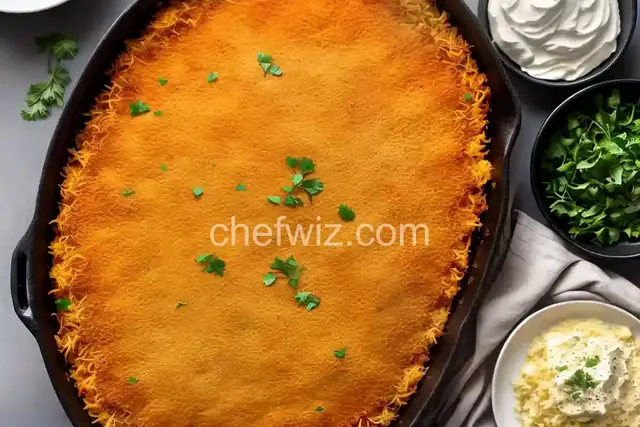
Potato tahdig is a Persian dish that brings together the earthy flavors of potatoes with a crispy, caramelized crust. Think of it as the ultimate potato gratin, but with a twist. The word "tahdig" itself translates to "bottom of the pot," referring to the crispy layer that forms at the bottom of the dish during cooking. This layer is what makes potato tahdig truly special.
Making potato tahdig is a labor of love, but the end result is definitely worth it. To start, you'll need some potatoes, butter, and a non-stick pan. Slice the potatoes into thin rounds and layer them in the pan, adding butter between each layer. Cook the potatoes on low heat until they are tender and the bottom layer turns golden brown and crispy. Then, carefully flip the tahdig onto a serving plate to reveal the beautiful crust.
Creating the perfect potato tahdig requires a few expert tips and tricks. Firstly, make sure to use a non-stick pan to prevent the potatoes from sticking. Secondly, slice the potatoes uniformly to ensure even cooking. Finally, resist the temptation to peek at the tahdig while it's cooking. Let it do its magic undisturbed, and you'll be rewarded with a delightful result.
Potato tahdig can be enjoyed as a side dish or as a main course alongside a fresh salad. Its crunchy, golden exterior pairs perfectly with a creamy yogurt dip or a tangy tomato sauce. Serve it at a dinner party, and your guests will be amazed by the unique flavors and textures.
Yes, you can definitely experiment with different types of potatoes. Sweet potatoes can add a unique sweetness to the dish, complementing the crispy crust.
While traditionally potato tahdig is made on the stovetop, you can adapt the recipe for the oven. Layer the potatoes in a baking dish, cover with foil, and bake at a low temperature until the crust forms.
Absolutely! Feel free to get creative and add ingredients like onions, garlic, or spices to enhance the flavor of your tahdig.
Using a non-stick pan and adding enough butter or oil between the potato layers will help prevent sticking.
Potato tahdig is best enjoyed fresh, as freezing may affect the texture and crispiness of the dish.
Potato tahdig pairs well with a variety of dishes, such as grilled meats, roasted vegetables, or a refreshing cucumber salad.
While potato tahdig is best served immediately after cooking, you can prepare the dish in advance and reheat it in the oven to maintain its crispiness.
Yes, potato tahdig is naturally gluten-free, making it a great option for individuals with gluten sensitivities or dietary restrictions.
In conclusion, potato tahdig is a delightful twist on the classic potato dish. With its crispy, golden crust and tender potato layers, it's a taste sensation that will impress your friends and family. So why not give it a try and elevate your next meal with this delicious Persian creation?
AprilCook, recipe developer and the heart of Chefwiz. More about April