Pasta with Farro
Rate this recipeBe the first to rate
 By AprilPublished
 Are you tired of the same old pasta dishes? Looking for a way to add more nutrition to your meals?
 By AprilPublished
 Are you tired of the same old pasta dishes? Looking for a way to add more nutrition to your meals?
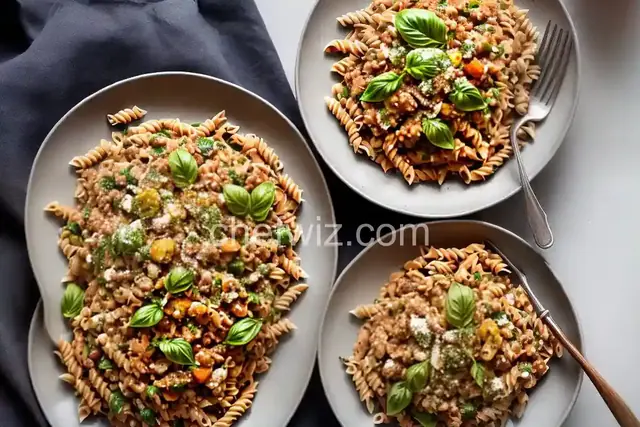
Heat olive oil in a saucepan over medium-high heat and toast 1 cup of farro.
Add 2 cups of water and 1/2 teaspoon of salt to the saucepan with the toasted farro.
Bring the mixture to a boil, then cover the saucepan and let it simmer until the water is absorbed, which usually takes around 20 to 25 minutes.
In the meantime, cook 1 pound of orecchiette according to the package instructions and drain it.
Brown 3 tablespoons of butter.
Toss the cooked pasta and farro with the browned butter (or toss with walnut oil if preferred).
Season the dish with salt to taste.
Are you tired of the same old pasta dishes? Looking for a way to add more nutrition to your meals? Look no further than pasta with farro! This unique combination not only adds a delightful texture to your pasta but also provides a range of health benefits. In this article, we'll delve into the world of pasta with farro, exploring its origins, nutritional value, and how to incorporate it into your favorite pasta dishes. So, grab a fork and let's dig in!
Farro, an ancient grain, has been a staple food in Mediterranean diets for centuries. It was a common ingredient in the diets of the ancient Romans and Greeks, who believed it to be a symbol of fertility and good fortune. Farro is derived from three varieties of wheat: einkorn, emmer, and spelt. Its nutty flavor and chewy texture make it a popular choice for adding depth to pasta dishes.
One of the main reasons why pasta with farro has gained popularity is its impressive nutritional profile. Farro is packed with essential nutrients, including fiber, protein, vitamins, and minerals. It is also a good source of complex carbohydrates, which provide a slow release of energy, keeping you fuller for longer. Additionally, farro contains antioxidants that help protect your body against harmful free radicals.
Fiber is an essential nutrient that promotes a healthy digestive system. It aids in digestion, prevents constipation, and helps maintain a healthy weight. Pasta with farro is an excellent source of fiber, making it a smart choice for those looking to improve their digestive health.
Protein is crucial for the growth and repair of cells in our bodies. Pasta with farro provides a good amount of protein, making it an excellent option for vegetarians and vegans who may struggle to meet their protein needs. Combining farro with pasta creates a complete protein, containing all the essential amino acids our bodies require.
Farro is rich in vitamins and minerals that are essential for overall health and well-being. It contains vitamin B3, which aids in energy production, and magnesium, which plays a vital role in muscle and nerve function. Farro also provides zinc, iron, and selenium, which are important for immune function and maintaining healthy hair, skin, and nails.
Now that you know about the nutritional benefits of farro, let's explore some ways to incorporate it into your favorite pasta dishes. From simple salads to hearty soups, the possibilities are endless!
Combine cooked farro with fresh ingredients like cherry tomatoes, cucumbers, and herbs for a refreshing salad. Drizzle olive oil and lemon juice for added flavor. This salad can be enjoyed as a light lunch or a side dish.
Replace rice with farro in your favorite risotto recipe for a creamy and comforting dish. The nutty flavor of farro adds a delightful twist to this classic Italian dish.
Add cooked farro to a hearty vegetable or chicken soup for an extra dose of nutrition and a satisfying texture. The farro will absorb the flavors of the soup, creating a delicious and filling meal.
Pasta with farro is not only a delicious choice but also a nutritious one. Its unique texture and nutty flavor add depth to your pasta dishes, while its impressive nutritional profile provides a range of health benefits. So, why not give pasta with farro a try? Your taste buds and your body will thank you!
No, farro contains gluten as it is derived from wheat. Individuals with gluten sensitivities or celiac disease should avoid consuming farro.
Yes, farro can be cooked in a rice cooker. Simply follow the instructions provided by the rice cooker manufacturer and adjust the cooking time accordingly.
Cooked farro can be stored in an airtight container in the refrigerator for up to four days. Make sure to cool it completely before storing.
Yes, cooked farro can be frozen. Portion it into freezer-safe containers or bags and label them with the date. It can be stored in the freezer for up to three months.
No, farro does not need to be soaked before cooking. However, soaking it overnight can help reduce the cooking time.
Yes, farro flour can be used to make pasta. It adds a unique flavor and texture to homemade pasta. Simply substitute farro flour for a portion of the regular flour in your pasta dough recipe.
Yes, farro is suitable for a vegan diet as it is a plant-based whole grain. It can be a nutritious and satisfying option for vegans and vegetarians.
Farro can be found in most grocery stores, health food stores, or online. Look for it in the grains or whole foods section.
AprilCook, recipe developer and the heart of Chefwiz. More about April