Pasta Primavera with Peas, Asparagus and Kale
Rate this recipeBe the first to rate
 By AprilPublished
 Are you looking for a delicious and nutritious pasta dish that's packed with fresh vegetables?
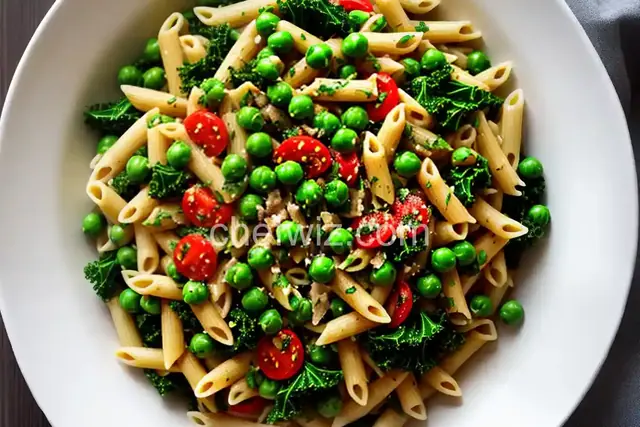 By AprilPublished
 Are you looking for a delicious and nutritious pasta dish that's packed with fresh vegetables?
Bring a large pot of salted water to a boil.
Add the pasta and cook according to the instructions on the label.
During the last 3 minutes of cooking, add the peas, asparagus, and kale to the pot. Stir occasionally.
Reserve 1/2 cup of the cooking water, then drain the pasta and vegetables.
In a blender, combine the olive oil, all but 2 tablespoons of chives, lemon zest and juice, 1 teaspoon of salt, and a few grinds of pepper.
Add 3 tablespoons of cold water and pulse until smooth, scraping down the inside of the blender.
Transfer the mixture to a large bowl and stir in the tarragon. Drizzle with olive oil.
Add the pasta and vegetables to the chive mixture, along with 1/4 cup of the reserved cooking water and half of the cheese.
Season with salt and pepper, then toss well to coat. Add more cooking water if needed to loosen the mixture.
Serve the dish topped with the remaining cheese and chives.
Are you looking for a delicious and nutritious pasta dish that's packed with fresh vegetables? Look no further than Pasta Primavera with Peas, Asparagus, and Kale. This vibrant and colorful dish is not only a feast for the eyes but also a treat for your taste buds. In this article, we will explore the flavors and benefits of Pasta Primavera and provide you with some interesting FAQs to enhance your culinary knowledge. Let's dive in!
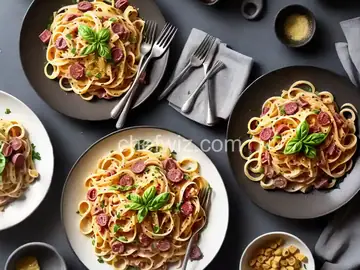
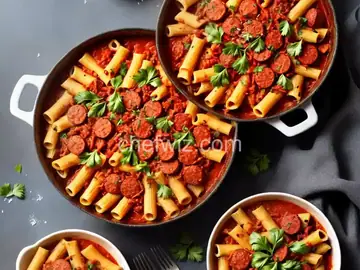
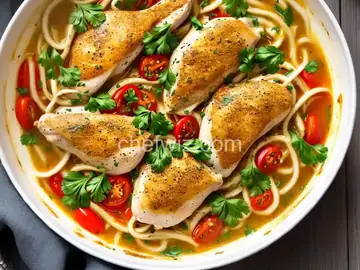
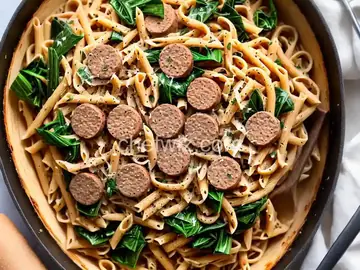
Imagine a plate full of pasta, adorned with vibrant green peas, tender asparagus spears, and earthy kale leaves. This is Pasta Primavera, a celebration of the season's bounty. Just like spring, Pasta Primavera is all about freshness and renewal. The crispness of the vegetables and the al dente pasta create a harmonious symphony of flavors that will leave you craving for more.
Pasta Primavera not only satisfies your taste buds but also nourishes your body. Peas, asparagus, and kale are all packed with essential vitamins and minerals. Peas provide a good source of protein, fiber, and vitamins A, C, and K. Asparagus is rich in folate, vitamin K, and antioxidants. Kale, often referred to as a superfood, is loaded with vitamins A, C, and K, as well as fiber and iron. By incorporating these nutritious ingredients into your pasta, you are giving yourself a healthy boost.
Creating your own Pasta Primavera is a simple and enjoyable process. Start by boiling your pasta until it is cooked to perfection, and then drain it. In a separate pan, sauté the peas, asparagus, and kale with some garlic and olive oil. Season with salt and pepper to taste. Once the vegetables are tender, add the cooked pasta to the pan and toss everything together. And voila! Your Pasta Primavera is ready to be devoured.
Pasta Primavera with Peas, Asparagus, and Kale is a delightful dish that brings the flavors of spring to your plate. It's a nutritious and versatile meal that can be customized to suit your taste and dietary preferences. Whether you're a pasta lover or a vegetable enthusiast, Pasta Primavera is sure to satisfy your cravings. So gather your ingredients, put on your apron, and embark on a culinary journey that celebrates the freshness of the season.
Absolutely! The beauty of Pasta Primavera is its versatility. Feel free to experiment with different vegetables like bell peppers, zucchini, or broccoli to create your own unique version.
Of course! While traditional Pasta Primavera is made with long pasta like linguine or fettuccine, you can use any type of pasta you prefer. Short pasta like penne or bowtie works just as well.
Absolutely! If you want to add some protein to your Pasta Primavera, you can incorporate grilled chicken, shrimp, or even tofu. It's a great way to make the dish more filling and satisfying.
Yes! Pasta Primavera can easily be made vegan-friendly by omitting any animal products. Just make sure to use plant-based pasta and skip the cheese garnish.
While Pasta Primavera is best enjoyed fresh, you can prepare the vegetables in advance and store them in the refrigerator. When you're ready to serve, simply reheat the vegetables and combine them with freshly cooked pasta.
To make Pasta Primavera gluten-free, you can use gluten-free pasta made from alternative flours like rice or corn. Just ensure that all the other ingredients, including the vegetables and seasonings, are also gluten-free.
While it's possible to freeze Pasta Primavera, the texture and flavor may be affected. The vegetables might become mushy upon thawing. It's best to enjoy Pasta Primavera fresh for the best experience.
Absolutely! If you enjoy a little heat, you can add some chili flakes or minced jalapenos to your Pasta Primavera. It will give the dish a spicy kick and add an extra layer of flavor.
AprilCook, recipe developer and the heart of Chefwiz. More about April