Pasta Pomodoro
Rate this recipeBe the first to rate
 By AprilPublished
Are you craving a delicious and comforting Italian dish? Look no further than Pasta Pomodoro!
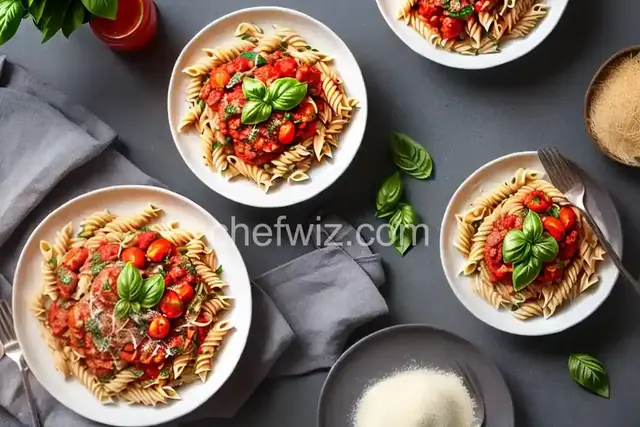 By AprilPublished
Are you craving a delicious and comforting Italian dish? Look no further than Pasta Pomodoro!
Boil a generous amount of water in a large pot, adding a pinch of salt.
Add the pasta to the boiling water and cook for approximately 8 minutes or until it is cooked but still firm (al dente). Then, drain the pasta.
In a large and deep skillet, heat the olive oil over high heat.
Sauté the onions and garlic in the skillet until they turn a light brown color.
Reduce the heat to medium-high and add the tomatoes, vinegar, and chicken broth to the skillet. Allow the mixture to simmer for about 8 minutes.
Stir in the red pepper, black pepper, basil, and the cooked pasta, ensuring that the pasta is evenly coated with the sauce.
Let the mixture simmer for an additional 5 minutes.
Serve the dish, and sprinkle grated cheese on top before serving.
Are you craving a delicious and comforting Italian dish? Look no further than Pasta Pomodoro! This classic recipe combines the simplicity of fresh tomatoes with the richness of pasta. In this article, we will explore the wonderful world of Pasta Pomodoro and share some insights and tips to make this dish a memorable one.
Pasta Pomodoro, which translates to "tomato pasta" in Italian, is a dish that originated in Naples, Italy. It is believed to have been created in the late 19th century when tomatoes were introduced to Italian cuisine from the New World. The combination of ripe tomatoes, garlic, olive oil, and basil quickly became a staple in Italian cooking, and Pasta Pomodoro was born.
One of the key ingredients in Pasta Pomodoro is fresh tomatoes. When choosing tomatoes for this dish, opt for ripe, juicy tomatoes to ensure a burst of flavor. The natural sweetness and acidity of the tomatoes add a delightful tang to the sauce, making it the star of the show.
There are numerous tomato varieties you can use for Pasta Pomodoro, such as Roma, San Marzano, or cherry tomatoes. Each variety brings its own unique taste and texture to the dish. Experiment with different types to find your favorite flavor combination.
When preparing fresh tomatoes for Pasta Pomodoro, you may wonder whether to peel them or not. While it's not necessary to peel the tomatoes, some people prefer a smoother sauce and choose to peel them. To easily peel tomatoes, score an "X" on the bottom, blanch them in boiling water for a minute, then transfer them to an ice bath. The skins will easily slide off. Alternatively, you can blend the sauce after cooking to achieve a smoother consistency.
Now that we've covered the basics, let's dive into some cooking tips to make your Pasta Pomodoro absolutely delicious:
To infuse the sauce with a delightful garlicky flavor, gently fry minced garlic in olive oil until it becomes fragrant. Be careful not to burn the garlic, as it can turn bitter. Add the garlic-infused oil to the sauce for an extra punch of taste.
Basil is a crucial ingredient in Pasta Pomodoro, as it adds a fresh and aromatic element to the dish. Tear or chop fresh basil leaves and add them to the sauce just before serving. The heat of the pasta will slightly wilt the basil, releasing its wonderful aroma.
Pasta Pomodoro is a delightful and versatile Italian dish that celebrates the flavors of fresh tomatoes. With the right ingredients and cooking techniques, you can create a mouthwatering Pasta Pomodoro that will transport you to the sun-drenched streets of Italy. Whether you prefer it simple and vegetarian or with added meat, this classic dish is sure to satisfy your cravings. So grab your apron and get ready to experience the magic of Pasta Pomodoro!
Absolutely! Canned tomatoes are a convenient alternative to fresh tomatoes. Look for high-quality canned tomatoes without any added preservatives or seasonings.
While the traditional Pasta Pomodoro recipe is vegetarian, you can certainly add meat if you prefer. Cooked ground beef, sausage, or grilled chicken can be delicious additions to the dish.
Pasta Pomodoro is best enjoyed fresh, as the flavors are at their peak. However, you can make the sauce ahead of time and refrigerate it for a day or two. Cook the pasta just before serving and toss it with the reheated sauce.
While fresh basil is preferred for its vibrant flavor, you can use dried basil if you don't have any fresh on hand. Just remember to use a smaller amount, as dried herbs are more concentrated in flavor.
Pasta Pomodoro pairs well with various pasta shapes, such as spaghetti, linguine, or penne. Choose a pasta shape that you enjoy and cook it according to the package instructions until al dente.
While cheese is not traditionally added to Pasta Pomodoro, you can sprinkle some grated Parmesan or Pecorino Romano on top for an extra layer of flavor. However, the dish is just as delicious without cheese.
Absolutely! If you enjoy a bit of heat, you can add crushed red pepper flakes to the sauce or sprinkle them on top of the finished dish. Adjust the amount according to your spice tolerance.
While it's not recommended to freeze Pasta Pomodoro, you can freeze the sauce separately for future use. Simply thaw and reheat the sauce when you're ready to enjoy a quick and easy meal.
AprilCook, recipe developer and the heart of Chefwiz. More about April