Paella I
Rate this recipeBe the first to rate
 By AprilPublished
 Have you ever wondered what makes Spanish cuisine so unique and flavorful?
 By AprilPublished
 Have you ever wondered what makes Spanish cuisine so unique and flavorful?
Heat the olive oil in a paella pan over medium heat.
Add the onion, garlic, and pepper to the pan. Cook and stir for a few minutes.
Add the chorizo sausage, diced chicken, and rice to the pan. Cook for 2 to 3 minutes.
Stir in 3 1/2 cups of stock, wine, thyme leaves, and saffron. Season with salt and pepper.
Bring the mixture to a boil, then reduce the heat and simmer for 15 minutes. Stir occasionally.
Taste the rice to check if it is cooked. If it is still uncooked, stir in 1/2 cup more stock. Continue cooking and stirring occasionally.
If necessary, stir in additional stock. Use up to 2 cups of additional stock, for a total of 5 cups. Cook until the rice is done.
Stir in the squid, tomatoes, and peas. Cook for 2 minutes.
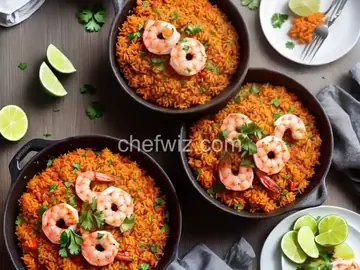
Arrange the prawns and mussels on top. Cover the pan with foil and let it sit for 3 to 5 minutes.
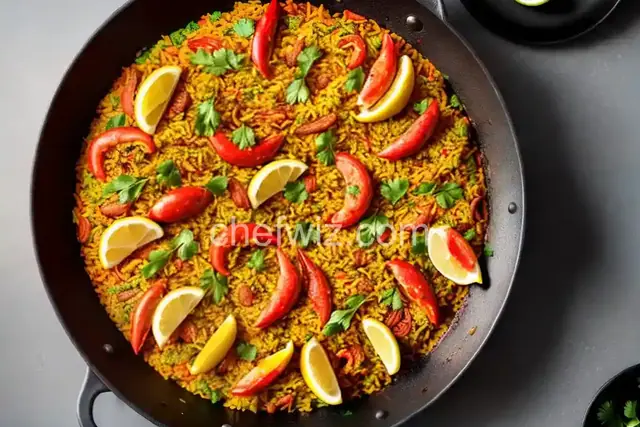
Remove the foil and sprinkle parsley over the dish. Serve in the paella pan, garnished with lemon wedges.
Have you ever wondered what makes Spanish cuisine so unique and flavorful? One dish that perfectly encapsulates the essence of Spanish gastronomy is paella. This iconic dish, originating from the Valencia region of Spain, is a vibrant and colorful representation of Spanish culture and culinary prowess. In this article, we will take you on a journey through the history, ingredients, and traditions behind this beloved Spanish delicacy.
Paella, pronounced "pah-EH-yah," is believed to have originated in the 18th century in the rice-growing region of Valencia. Its name refers to the wide, shallow pan used to cook the dish. Initially, paella was a humble peasant dish, made with simple and readily available ingredients such as rice, vegetables, and meat. As the popularity of paella grew, various regions of Spain started adding their own unique twists, resulting in a wide variety of paella styles.
At the heart of any paella recipe lies the key ingredient - rice. The type of rice used is crucial in achieving the perfect texture and flavor. Bomba rice, a short-grain rice variety, is the preferred choice for traditional paella due to its ability to absorb flavors while maintaining a firm texture. Other essential ingredients include saffron, which gives the dish its vibrant yellow color, and olive oil, which adds depth and richness.
One of the secrets to a delicious paella is the careful layering of flavors. Each ingredient is meticulously added at the right moment to create a harmonious blend of tastes. The sofrito, a mixture of sautéed onions, garlic, tomatoes, and spices, forms the flavor base of the dish. The addition of various proteins such as chicken, rabbit, seafood, or a combination of all three, further enhances the complexity of flavors.
Paella is not just a meal; it is a sensory experience. As the paella simmers on the stove, the aroma of saffron, spices, and sizzling ingredients fills the air, inviting you to indulge in its tantalizing flavors. The vibrant colors of the dish, with its golden rice, vibrant vegetables, and succulent proteins, are a feast for the eyes. Each bite is a burst of flavors, as the rice absorbs the rich broth, and the various ingredients lend their distinct tastes.
In Spain, paella is more than just a dish; it is a social and cultural event. Families and friends gather around a large paella pan, known as a "paellera," to share this communal meal. The process of preparing paella is often seen as a celebration, with everyone taking part in the cooking process. From the careful selection of ingredients to the rhythmic stirring of the rice, paella is steeped in tradition and creates a sense of togetherness.
Today, paella has transcended its Spanish origins and has become a global sensation. In many parts of the world, you can find restaurants specializing in this iconic dish, offering their own unique interpretations. Whether it's a seafood paella in coastal cities or a vegetarian version in cosmopolitan areas, paella has captured the hearts and palates of food enthusiasts worldwide.
Paella stands out due to its distinctive flavors, vibrant colors, and the specific cooking technique used. The layering of flavors and the use of saffron make paella truly unique.
Absolutely! While traditional paella often includes meat or seafood, vegetarian versions with a medley of vegetables are equally delicious and satisfying.
While paella may seem intimidating, it can be made successfully at home with the right ingredients and proper technique. Start with a simple recipe and gradually experiment with different flavors.
Paella is best enjoyed fresh and hot off the stove. However, if you have leftovers, they can be refrigerated and reheated the next day. Just be aware that the texture may change slightly.
Absolutely! In addition to the traditional Valencian paella, there are numerous regional variations throughout Spain. Some popular examples include seafood paella, mixed paella, and black paella.
While it is recommended to use short-grain rice, such as Bomba rice, you can experiment with other varieties. Keep in mind that different types of rice may yield slightly different results in terms of texture.
Yes, saffron is essential in paella as it adds both color and flavor. However, if saffron is not available, you can use turmeric as a substitute.
Paella is traditionally served straight from the paellera, allowing everyone to enjoy it directly from the pan. Garnish with fresh lemon wedges for a burst of citrus flavor.
In conclusion, paella is much more than a dish; it is a celebration of Spanish culture and culinary expertise. From its humble origins to its global popularity, paella continues to captivate food lovers with its vibrant colors, rich flavors, and communal nature. So, why not embark on a culinary journey to Spain and savor the delights of paella?
AprilCook, recipe developer and the heart of Chefwiz. More about April