Fabada
Rate this recipeBe the first to rate
 By AprilPublished
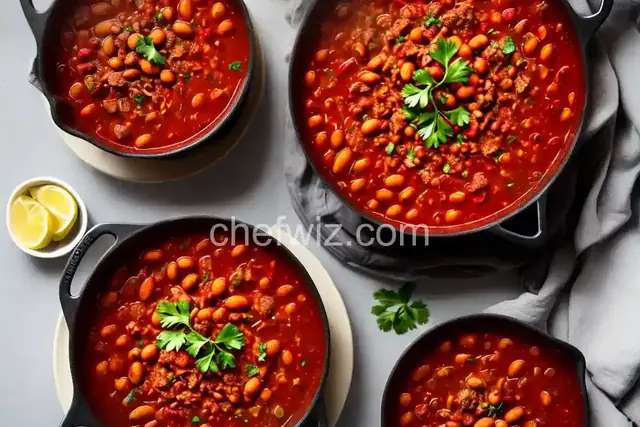
 When it comes to comfort food, few dishes can compare to the hearty and flavorful Fabada.
 By AprilPublished
 When it comes to comfort food, few dishes can compare to the hearty and flavorful Fabada.
Begin by covering the beans with hot water and letting them soak overnight.
Take a Dutch oven and fill it halfway with water. Bring the water to a boil on high heat.
Add the salt pork to the boiling water and let it boil for 5 minutes, then remove the pork and discard the water.
Drain the water from the soaked beans and transfer them to the Dutch oven.
Pour in 10 cups of water and bring it to a boil on high heat. Skim off and discard any foam that forms on top.
Stir in the saffron, salt pork, and diced ham, and let it simmer for 5 minutes.
Add the chorizo and morcilla sausages, and cook for an additional 5 minutes. Skim off any foam that forms on top.
Reduce the heat to low, add the bay leaf, cover the Dutch oven, and let the beans simmer for 2 to 3 hours until they are tender. If needed, add water to keep the beans moist.
Allow the beans to stand for 20 minutes off the heat before serving.
When it comes to comfort food, few dishes can compare to the hearty and flavorful Fabada. This traditional Spanish stew not only warms the body but also satisfies the soul. Originating from the Asturias region in northern Spain, Fabada has become a staple in Spanish cuisine, loved by locals and visitors alike. In this article, we will explore the history, ingredients, and cooking techniques of Fabada, and delve into why this dish has captured the hearts and palates of so many.
Fabada is a dish deeply rooted in Spanish tradition. Its origins can be traced back to the 19th century, where it was born out of the need for a nourishing and filling meal for the laborers working in the mines of Asturias. The dish quickly gained popularity and became a symbol of the region's culinary culture.
At the heart of Fabada lies its key ingredients: white beans, pork, and sausages. The most commonly used beans are the large and creamy Spanish white beans, known as "fabes." These beans have a delicate texture that perfectly absorbs the flavors of the other ingredients in the stew.
The pork used in Fabada varies, but the most traditional choice is the "compango," a combination of cured meats such as chorizo, morcilla (blood sausage), and panceta (pork belly). These meats infuse the stew with a rich and smoky flavor, making every spoonful a delight for the taste buds.
Preparing Fabada requires patience and attention to detail. The beans are soaked overnight to soften them and reduce cooking time. The next day, the meats are sautéed to release their flavors, and the beans are added along with broth or water. The stew is then simmered slowly for several hours until the flavors meld together, creating a harmonious and comforting dish.
What sets Fabada apart from other stews is the depth of flavors it offers. The combination of the creamy beans, tender pork, and flavorful sausages creates a symphony of tastes that is both satisfying and comforting. The slow cooking process allows the ingredients to meld together, resulting in a stew that is rich, hearty, and unforgettable.
Imagine yourself sitting at a cozy Spanish tavern, savoring a steaming bowl of Fabada. As you take your first spoonful, the creaminess of the beans envelops your taste buds, followed by the smoky and savory notes of the pork and sausages. Each bite is a journey through the flavors of Spain, evoking a sense of warmth and nostalgia.
Yes, Fabada is naturally gluten-free as it does not contain any wheat-based ingredients.
While pork is a traditional ingredient in Fabada, you can certainly adapt the recipe to suit your dietary preferences. Try using chicken or turkey as a substitute for pork.
Absolutely! Fabada freezes well and can be enjoyed later. Just make sure to cool the stew completely before transferring it to airtight containers for freezing.
Fabada can be refrigerated for up to 3-4 days. Reheat it gently on the stovetop or in the microwave, adding a splash of broth if needed.
While the traditional recipe does not include vegetables, you can certainly add some if you prefer. Carrots, potatoes, or kale can be great additions to enhance the nutritional value and add more texture to the stew.
Fabada is not inherently spicy, but the chorizo sausage used in the stew can add a subtle kick of heat. If you prefer a spicier version, you can opt for spicier sausages or add a pinch of red pepper flakes.
While using canned beans can save time, it is recommended to use dried Spanish white beans for the best texture and flavor. Canned beans may become mushy during the long cooking process.
Fabada pairs well with a variety of Spanish wines. A full-bodied red wine such as Tempranillo or a crisp and acidic white wine like Albariño can complement the flavors of the stew.
Yes, you can adapt the recipe for a slow cooker. Follow the same steps of sautéing the meats and soaking the beans, then transfer everything to the slow cooker along with the broth or water. Cook on low heat for 6-8 hours or until the beans are tender.
In conclusion, Fabada is a true culinary gem that embodies the essence of Spanish comfort food. Its history, ingredients, and cooking techniques come together to create a stew that is both nourishing and delicious. Whether you're a fan of Spanish cuisine or looking to explore new flavors, Fabada is a must-try dish that will transport you to the heart of Asturias with every spoonful.
AprilCook, recipe developer and the heart of Chefwiz. More about April