Pasta alla Gricia
Rate this recipeBe the first to rate
 By AprilPublished
 Are you a fan of Italian cuisine? Do you enjoy exploring new pasta dishes that are rich in flavor and easy to prepare?
 By AprilPublished
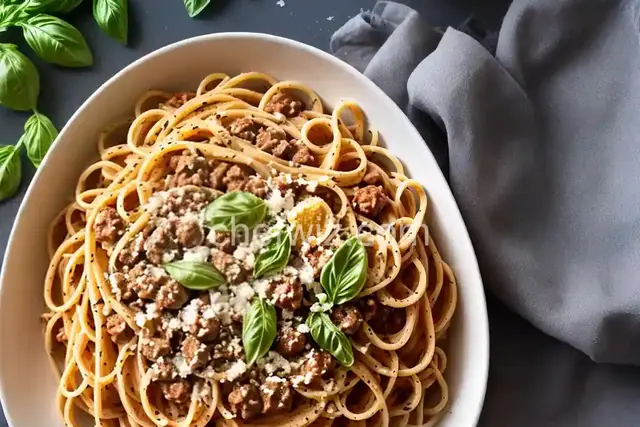
 Are you a fan of Italian cuisine? Do you enjoy exploring new pasta dishes that are rich in flavor and easy to prepare?
Heat oil in a large skillet over medium-low heat.
Stir the guanciale often and cook until it starts to brown and become crisp, which should take about 10-15 minutes. You will notice that it will shrink as the fat renders.
Transfer the cooked guanciale to a small bowl using a slotted spoon. Keep the skillet aside without wiping it out.
In the meantime, cook the pasta in a large pot filled with boiling lightly salted water. Stir occasionally and cook until the pasta is halfway cooked but not completely al dente.
Drain the pasta, but make sure to reserve 1 ½ cups of the pasta cooking liquid.
Pour ¾ cup of the reserved pasta cooking liquid into the skillet and bring it to a gentle boil over medium heat. Swirl the skillet often to encourage the drippings and liquid to emulsify. This should take around 1 minute.
Add the cooked pasta to the skillet and cook, tossing it often. Add more pasta cooking liquid as needed until the pasta is al dente and a thick, glossy sauce forms. This second cooking step is necessary because you initially undercooked the pasta.
Increase the heat to medium-high.
Add the guanciale, pepper, and two-thirds of the Pecorino cheese to the skillet. Toss everything well to combine and melt the cheese.
Serve the pasta topped with the remaining
Are you a fan of Italian cuisine? Do you enjoy exploring new pasta dishes that are rich in flavor and easy to prepare? Look no further than Pasta alla Gricia! This delicious Italian classic is a must-try for any pasta lover. In this article, we will delve into the origins of this dish, its key ingredients, and how to make it at home. So, grab your apron and get ready to embark on a culinary adventure!
Like many traditional Italian dishes, the exact origins of Pasta alla Gricia are a bit hazy. However, it is believed to have originated in the region of Lazio, specifically in the city of Rome. This dish dates back to the 17th century, when shepherds would make it using the ingredients they had readily available: guanciale (cured pork jowl), pecorino cheese, black pepper, and pasta.
Pasta alla Gricia is a simple yet flavorful dish that requires just a handful of ingredients. The star of the show is guanciale, which is a type of Italian cured meat made from pork jowl or cheeks. Its rich and slightly fatty flavor adds depth to the dish. Pecorino Romano, a hard and salty cheese made from sheep's milk, provides the perfect balance of saltiness. Freshly ground black pepper adds a subtle kick, while pasta, typically rigatoni or spaghetti, brings it all together.
Now that you know the key ingredients, let's dive into the process of making Pasta alla Gricia. It's a straightforward recipe that can be whipped up in no time.
First, cook the pasta in a large pot of salted boiling water until al dente. While the pasta is cooking, heat a skillet over medium-high heat and add the guanciale. Cook until crispy and golden brown, rendering out the fat. Remove the guanciale from the skillet and set it aside, leaving the rendered fat in the pan.
Next, drain the cooked pasta and add it to the skillet with the rendered fat. Toss the pasta in the fat until well coated. This will ensure that every bite is infused with delicious flavor. Add the crispy guanciale back into the skillet and toss everything together.
Finally, sprinkle a generous amount of grated pecorino Romano and freshly ground black pepper over the pasta. Toss again to combine all the flavors. The heat from the pasta will melt the cheese, creating a creamy and indulgent sauce. Serve immediately and enjoy!
Pasta alla Gricia is a delightful Italian pasta dish that showcases the simplicity and flavors of traditional Roman cuisine. With just a handful of ingredients, you can create a delicious and satisfying meal that will transport you to the streets of Rome. So, why not give it a try? Invite your friends and family over, and let them indulge in this classic Italian masterpiece. Buon appetito!
While guanciale is the traditional choice for Pasta alla Gricia, you can certainly use bacon as a substitute. Keep in mind that the flavor and texture may differ slightly, but it will still be delicious!
Pecorino Romano is the classic cheese used in Pasta alla Gricia. However, you can experiment with other hard and salty cheeses like Parmesan or Grana Padano if you prefer.
Rigatoni and spaghetti are the most commonly used pasta shapes for Pasta alla Gricia. However, feel free to use any pasta shape you prefer or have on hand. The key is to cook it al dente.
Pasta alla Gricia is traditionally made without any vegetables. However, if you want to add some greens, you can sauté spinach or kale separately and toss them into the pasta just before serving.
No, Pasta alla Gricia is not traditionally a spicy dish. The black pepper adds a subtle kick, but it is not meant to be overwhelmingly hot. Adjust the amount of pepper according to your preference.
Pasta alla Gricia is best enjoyed immediately after cooking. The cheese and fat may congeal if left to sit for too long. However, you can prepare the guanciale in advance and store it in an airtight container until ready to use.
It is not recommended to freeze Pasta alla Gricia, as the texture and flavors may be compromised upon thawing. It is best to enjoy this dish fresh.
Pasta alla Gricia pairs well with medium-bodied red wines such as Chianti, Barbera, or Sangiovese. The acidity and fruitiness of these wines complement the richness of the dish.
AprilCook, recipe developer and the heart of Chefwiz. More about April