Hot-Oil-Seared Biang Biang Noodles
Rate this recipeBe the first to rate
 By AprilPublished
 Are you ready to embark on a culinary adventure that will tantalize your taste buds?
 By AprilPublished
 Are you ready to embark on a culinary adventure that will tantalize your taste buds?
In a small bowl, stir together ½ tsp. Diamond Crystal or ¼ tsp. Morton kosher salt and ¾ cup plus 2 Tbsp. room-temperature water until the salt is dissolved.
In a large bowl, place 3¼ cups (406 g) all-purpose flour and drizzle the salt water evenly over it. Stir with a wooden spoon or chopsticks until clumps start to form.
Knead the mixture firmly in the bowl until a tight and mostly smooth dough forms, for about 8-10 minutes. There might be some dry bits, but there should be no large patches of dry flour. Cover the dough with a damp kitchen towel and let it sit for 15 minutes.
Turn the dough out onto a surface and knead for 1 minute. Cover and let it rest for 15 minutes. Repeat this kneading and resting process two more times. By the third kneading, the dough should be noticeably softer and evenly smooth.
Flatten the dough into a 9x6 rectangle and cut it into 6 strips, each weighing about 100 g. Roll each strip into a ¼-thick rectangle, about 4-6 long.
In a container, drizzle about 1 Tbsp. of vegetable oil, and place a dough strip into it, coating it evenly with a thin film of oil. Repeat this with the remaining strips, adding more oil as needed
Are you ready to embark on a culinary adventure that will tantalize your taste buds? If you're a fan of Chinese cuisine, then you're in for a treat with hot-oil-seared Biang Biang noodles. These thick and chewy noodles, known for their bold flavors and fiery kick, are a delight for both the eyes and the palate. So, grab your apron and let's dive into the world of Biang Biang noodles!
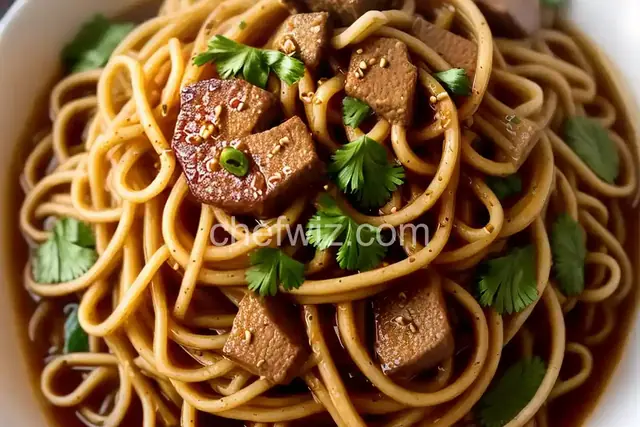
Biang Biang noodles, also known as belt noodles, are a specialty of Shaanxi province in China. They are named after the sound made when the dough is slapped against the kitchen counter to stretch and shape the noodles. These hand-pulled noodles are wide and long, resembling belts, and have a delightful chewy texture that sets them apart from other types of noodles.
Now that we know what Biang Biang noodles are, let's talk about the star of the show - hot-oil-searing. This cooking technique involves heating oil until it's smoking hot and then pouring it over the noodles, creating a sizzling and aromatic sensation. The hot oil not only enhances the flavor of the noodles but also gives them a beautiful sheen and a slightly crispy texture.
Imagine a plate of freshly cooked Biang Biang noodles, glistening with hot oil and topped with a medley of vibrant vegetables and succulent meat. The combination of textures and flavors is simply divine. The chewy noodles, coated in the fragrant oil, soak up all the deliciousness from the toppings, resulting in a symphony of tastes in every bite.
Hot-oil-seared Biang Biang noodles are not only a delight for your taste buds but also a feast for the eyes. The vibrant colors of the vegetables and the steam rising from the plate create an appetizing visual spectacle. It's like a work of art on your plate that you get to devour!
While making Biang Biang noodles from scratch can be a labor of love, the end result is well worth the effort. The process involves making the dough, resting it, and then rolling it out into long and wide noodles. Once the noodles are prepared, it's time to heat up the oil and give them a sizzling hot-oil-sear.
Hot-oil-seared Biang Biang noodles are a culinary delight that brings together the best of flavors, textures, and visual appeal. With their chewy noodles, fiery kick, and vibrant toppings, they are sure to leave you craving for more. So, why not embark on a gastronomic adventure and savor the deliciousness of hot-oil-seared Biang Biang noodles?
Yes, Biang Biang noodles are known for their fiery kick. The hot oil used in the searing process adds a spicy flavor that complements the chewy noodles perfectly.
Yes, you can make gluten-free Biang Biang noodles by using gluten-free flour or a combination of gluten-free flours. The texture might be slightly different, but the taste will still be delicious.
The possibilities are endless when it comes to toppings for Biang Biang noodles. Some popular options include sautéed vegetables, sliced meat or tofu, chili oil, scallions, and sesame seeds.
Yes, you can make the noodles in advance and store them in the refrigerator for a day or two. Just make sure to keep them covered to prevent them from drying out.
While Biang Biang noodles share similarities with other Chinese noodles, their unique thickness and chewiness set them apart. The hot-oil-searing technique also adds a distinct flavor profile to the dish.
Biang Biang noodles are most commonly found in Shaanxi province in China. However, you can also find them in select Chinese restaurants around the world or try making them at home.
Absolutely! The level of spiciness can be adjusted according to your preference. You can add more or less chili oil and chili flakes to suit your taste.
Yes, you can easily make vegetarian or vegan hot-oil-seared Biang Biang noodles by using vegetable-based toppings and omitting any animal products.
AprilCook, recipe developer and the heart of Chefwiz. More about April