Panettone I
Rate this recipeBe the first to rate
 By AprilPublished
 Have you ever wanted to try a dessert that combines the lightness of a cloud with the richness of a decadent treat?
 By AprilPublished
 Have you ever wanted to try a dessert that combines the lightness of a cloud with the richness of a decadent treat?
In a medium bowl, mix together yeast, water, and sugar. Cover and let it sit for 10 minutes, or until it becomes foamy.
Add eggs, yogurt, vanilla, lemon zest, and salt to the bowl. Stir well to combine.
Gradually add flour, 1/2 cup at a time, until the dough forms a manageable ball. Mix thoroughly.
Transfer the dough onto a lightly floured surface and knead for 5 to 10 minutes, adding more flour if needed. The dough should be soft and pliable, but not sticky. You may need up to 5 cups of flour in total.
Place the dough in a large bowl that has been lightly sprayed with cooking spray. Cover the bowl and allow the dough to rise in a warm place until it has doubled in size, which should take about 1 hour.
Preheat the oven to 350 degrees F (175 degrees C) and lightly spray a round 8-inch cake pan with non-stick spray.
In a small bowl, toss the dried fruit with confectioners' sugar.
Punch down the risen dough in the bowl, then transfer it to a floured surface. Knead in the fruit.
Shape the dough into a ball and place it in the prepared cake pan. Loosely cover the pan with a dish towel and let the dough rise for 30 minutes. It should rise
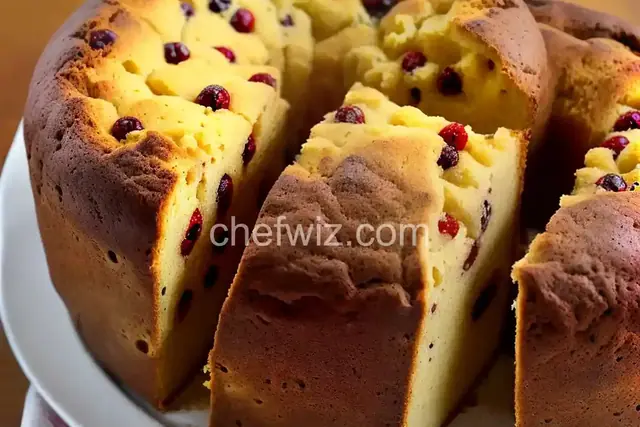
Have you ever wanted to try a dessert that combines the lightness of a cloud with the richness of a decadent treat? Look no further than Panettone, a traditional Italian sweet bread that is enjoyed all over the world. In this article, we will explore the history of Panettone, its ingredients, and the process of making this delightful delicacy. Get ready to embark on a sweet journey that will leave your taste buds craving for more!
Like many culinary traditions, the exact origin of Panettone is shrouded in mystery. However, one popular legend tells the story of a Milanese nobleman who fell in love with a baker's daughter named Toni. To impress her, the nobleman disguised himself as a baker's apprentice and created a delicious bread with candied fruits and raisins. This bread became known as "Pan de Toni" or "Toni's bread," eventually evolving into the Panettone we know today.
What makes Panettone so special? It's all about the ingredients! The dough is made with flour, sugar, butter, eggs, and yeast. To add a burst of flavor, Panettone is often filled with candied fruits, such as orange peel and citron, as well as raisins. These ingredients give Panettone its unique texture and taste, making it a true delight for the senses.
Flour is the backbone of any bread, and Panettone is no exception. The type of flour used plays a crucial role in the final product. The ideal flour for Panettone is high in protein, which helps create a light and fluffy texture. It's like building a strong foundation for a beautiful house!
Sugar adds sweetness and helps feed the yeast, allowing the dough to rise. It's like sprinkling a pinch of magic into the mix, adding that extra touch of sweetness that makes Panettone irresistible.
Butter is what gives Panettone its rich and creamy flavor. It adds moisture to the dough, making it soft and tender. Just like a warm hug, butter envelops the dough in a comforting embrace.
Eggs act as a binding agent, holding the dough together and giving it structure. They also add richness and contribute to the golden color of the final product. It's like the glue that brings all the flavors and textures together.
Yeast is what makes Panettone rise and gives it its characteristic airy texture. It's like a tiny superhero, working behind the scenes to create a masterpiece. Without yeast, Panettone would be as flat as a pancake!
Now that we know the story behind Panettone and the role of its magical ingredients, let's dive into the process of making this delectable dessert. Making Panettone is an art that requires time, patience, and attention to detail.
The first step is to mix the dough, combining the flour, sugar, butter, eggs, and yeast. This process requires gentle kneading to develop the gluten and activate the yeast. It's like creating a symphony where every ingredient plays its part in harmony.
After mixing the dough, it's time to let it rise. The dough needs time to rest and ferment, allowing the yeast to work its magic. It's like watching a flower bloom, slowly but surely.
Once the dough has risen, it's time to fold and shape it. This step helps create the signature dome shape of Panettone. It's like sculpting a piece of art, carefully shaping the dough into a masterpiece.
The final step is baking the Panettone to perfection. It requires the right temperature and timing to achieve that golden crust and fluffy interior. It's like waiting for a butterfly to emerge from its cocoon, anticipating the moment of transformation.
Panettone is more than just a bread; it's a symbol of tradition, love, and craftsmanship. Its lightness and richness make it a perfect treat for any occasion. Whether enjoyed with a cup of coffee or a glass of wine, Panettone is sure to delight your taste buds and transport you to the heart of Italy. So why not indulge in a slice of Panettone and experience a little taste of heaven?
Yes, you can customize your Panettone by adding your favorite ingredients. Try using chocolate chips, dried cranberries, or nuts for a delicious twist!
The process of making Panettone can take several hours, as the dough needs time to rise and rest. However, the end result is worth every minute of waiting!
Yes, you can freeze Panettone to enjoy it later. Just make sure to wrap it tightly in plastic wrap or a freezer bag to prevent freezer burn.
Panettone is best stored in a cool, dry place, tightly wrapped in plastic wrap or stored in an airtight container. Enjoy it within a few days for the best taste and texture.
Yes, you can use a round cake pan or even a large muffin tin to shape your Panettone. The mold helps create the traditional dome shape, but it's not essential.
Panettone is traditionally enjoyed during the holiday season, especially in Italy. However, it has become popular year-round and can be found in stores and bakeries worldwide.
Yes, there are gluten-free Panettone recipes available that use alternative flours, such as rice flour or almond flour. You can still enjoy this delightful dessert even if you have dietary restrictions.
AprilCook, recipe developer and the heart of Chefwiz. More about April