Antipasto
Rate this recipeBe the first to rate
 By AprilPublished
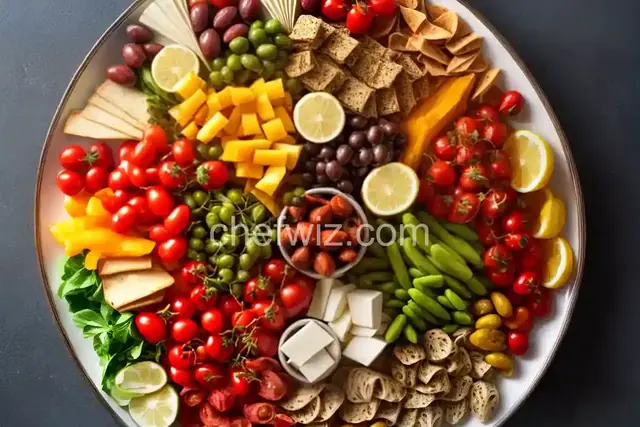
 Are you ready to embark on a culinary journey to Italy? If you're a fan of Italian cuisine, you've likely heard of antipasto.
 By AprilPublished
 Are you ready to embark on a culinary journey to Italy? If you're a fan of Italian cuisine, you've likely heard of antipasto.
In a large bowl, add cauliflower, pearl onions, red bell peppers, green bell peppers, celery, and cucumbers. Make sure there is enough lightly salted water to cover the vegetables. Let it soak for 8 to 12 hours or overnight.
In a small bowl, add carrots and enough lightly salted water to cover them. Let it soak for 8 to 12 hours or overnight.
In a large saucepan, combine vegetable oil, vinegar, tomato paste, and pickling spice. Bring the mixture to a boil.
Drain and rinse the soaked carrots, then add them to the saucepan. Boil for 10 minutes.
Drain and rinse the vegetables from the cauliflower mixture. Add them to the saucepan. Cook for 10 minutes or until the cauliflower is tender but still crisp.
Stir in black olives, green olives, mushrooms, and tuna into the mixture.
Remove the saucepan from heat. Remove the wrapped pickling spice and discard it.
While the mixture is still hot, transfer it to sterile containers.
Refrigerate the containers to let the mixture cool and preserve.
Are you ready to embark on a culinary journey to Italy? If you're a fan of Italian cuisine, you've likely heard of antipasto. This delectable appetizer is a wonderful way to tantalize your taste buds and whet your appetite. In this article, we'll explore the world of antipasto, its origins, and why it has become a beloved part of Italian culinary tradition.
Imagine yourself sitting at a rustic Italian trattoria, surrounded by the aroma of freshly baked bread and simmering sauces. Antipasto, which translates to "before the meal," is a delightful assortment of cured meats, cheeses, marinated vegetables, olives, and more. It's like a colorful palette of flavors and textures that dance on your palate, preparing you for the feast that lies ahead.
Like many dishes, antipasto has a rich history that dates back to ancient times. In ancient Rome, it was customary to begin a meal with a variety of small bites, such as pickled vegetables and cured meats. As time went on, the concept evolved, incorporating regional ingredients and culinary traditions. Each region in Italy has its own version of antipasto, showcasing the unique flavors and ingredients of the area.
Antipasto is a medley of flavors, colors, and textures. It typically includes a variety of ingredients, such as:
These components come together to create a harmonious symphony of flavors, each bite offering a new sensation.
One cannot talk about antipasto without mentioning its perfect companion – wine. The vibrant flavors of antipasto pair beautifully with a wide range of wines. From a crisp Pinot Grigio to a bold Chianti, there's a wine to suit every palate. The combination of antipasto and wine is like a well-choreographed dance, with each sip enhancing the flavors of the dish.
Antipasto is not just a dish; it's an art form. You have the freedom to customize your antipasto platter to suit your preferences. Get creative and experiment with different ingredients, colors, and flavors. Whether you're hosting a dinner party or enjoying a quiet evening at home, antipasto is a versatile and crowd-pleasing option.
Absolutely! Antipasto can be prepared in advance, allowing the flavors to meld together. Just store it in the refrigerator until you're ready to serve.
Of course! Antipasto can easily be customized to be vegetarian-friendly. You can replace the cured meats with grilled vegetables or add more cheese and marinated vegetables.
Yes, antipasto can be gluten-free. Just ensure that the ingredients you choose, such as the bread or crackers, are gluten-free alternatives.
Antipasto is typically served as an appetizer before a meal. Arrange the ingredients on a platter or a wooden board, allowing guests to help themselves.
Absolutely! Antipasto is a versatile dish, so feel free to add your favorite ingredients. Some popular additions include marinated mushrooms, grilled zucchini, or even seafood.
Yes, you can substitute ingredients to suit your taste. Don't be afraid to get creative and try new combinations. The possibilities are endless!
Absolutely! Antipasto is a delicious and satisfying dish that can be enjoyed on its own. It's perfect for a casual evening or a picnic in the park.
Antipasto can be a healthy option, as it includes a variety of vegetables and lean proteins. Just be mindful of portion sizes and choose high-quality ingredients.
Yes, antipasto has gained popularity worldwide. You can find variations of antipasto in many Italian restaurants or even create your own at home.
In conclusion, antipasto is a delightful introduction to the world of Italian cuisine. It's a feast for the senses, showcasing the flavors and traditions of Italy. So, gather your loved ones, uncork a bottle of wine, and indulge in the art of antipasto. Buon appetito!
AprilCook, recipe developer and the heart of Chefwiz. More about April