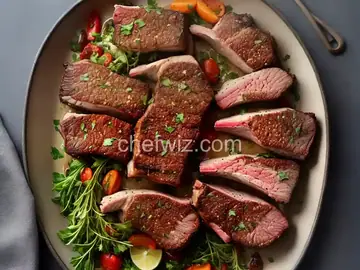
Pan-Seared Rib-Eye
Rate this recipeBe the first to rate
 By AprilPublished
 Are you a steak lover? Do you crave that perfectly seared, juicy rib-eye?
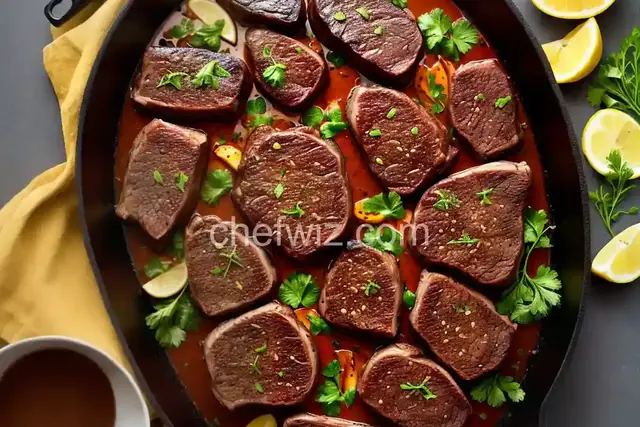 By AprilPublished
 Are you a steak lover? Do you crave that perfectly seared, juicy rib-eye?
Preheat the oven to 500 degrees F and place a 10-to-12-inch cast-iron skillet in the oven.
Allow the steak to come to room temperature.
Once the oven reaches the desired temperature, take out the skillet and place it on the stovetop over high heat for 5 minutes.
Lightly coat the steak with oil and sprinkle a generous pinch of salt on both sides. Grind black pepper on top.
Immediately place the steak in the center of the hot, dry skillet. Cook for 30 seconds without moving.
Use tongs to flip the steak and cook for another 30 seconds.
Transfer the skillet with the steak into the oven and cook for 2 minutes.
Flip the steak again and cook for another 2 minutes. If you prefer a medium steak, add an extra minute to each oven turn.
Remove the steak from the skillet and loosely cover it with foil. Let it rest for 2 minutes.
Serve the steak whole or slice it thinly and arrange it on a plate in a fan shape.
Are you a steak lover? Do you crave that perfectly seared, juicy rib-eye? Look no further! In this article, we will explore the art of pan-searing a rib-eye steak to perfection. Whether you're a novice cook or a seasoned pro, these tips and tricks will help you achieve a restaurant-quality steak in the comfort of your own home.
What sets a good steak apart from a great one? It's all about the sear. The secret to achieving a mouthwatering crust on your rib-eye lies in two simple steps: preheating your pan and allowing the steak to rest at room temperature.
Imagine your pan as a scorching hot dance floor, and your rib-eye as the star of the show. By preheating your pan, you ensure that the steak sizzles and caramelizes upon contact, creating that coveted golden-brown crust. Just like a dancer needs to warm up before a performance, your steak needs time to come to room temperature. This allows for even cooking, resulting in a juicy and tender steak.
Not all pans are created equal when it comes to achieving the perfect sear. A heavy-bottomed skillet, such as cast iron or stainless steel, retains heat evenly and provides excellent heat distribution. This ensures that your steak cooks evenly and develops that beautiful crust. Avoid non-stick pans, as they can hinder the browning process.
Seasoning is key when it comes to enhancing the flavor of your rib-eye. Keep it simple with a generous sprinkle of salt and pepper on both sides of the steak. The salt not only adds flavor but also helps draw out moisture, resulting in a deliciously crispy crust.
Remember, a perfectly seared rib-eye doesn't need fancy marinades or excessive seasoning. Let the quality of the meat shine through!
Now that you have your preheated pan and perfectly seasoned steak, it's time to get cooking! Follow these steps to achieve steakhouse-worthy results:
Place your chosen skillet over medium-high heat and allow it to heat for a few minutes. You want the pan to be hot but not smoking.
Pat your rib-eye dry with a paper towel to remove any excess moisture. Carefully place the steak in the preheated pan and let it sizzle away. Avoid overcrowding the pan, as this will prevent proper browning.
After a few minutes, gently flip the steak using tongs. Allow the other side to sear for the same amount of time. The exact cooking time will vary depending on the thickness of your steak and desired level of doneness.
Once your rib-eye is cooked to perfection, remove it from the pan and let it rest for a few minutes. This allows the juices to redistribute, resulting in a tender and flavorful steak. Slice and serve your pan-seared rib-eye with your favorite side dishes.
One way to gauge the doneness of your steak is by using a meat thermometer. For medium-rare, aim for an internal temperature of 135째F (57째C). Keep in mind that the steak will continue to cook as it rests.
Absolutely! While rib-eye is known for its marbling and tenderness, you can use other cuts such as strip steak or filet mignon. Just adjust the cooking time accordingly.
No need to oil the pan when using a well-seasoned cast iron or stainless steel skillet. The natural fats in the rib-eye will provide enough lubrication.
It's best to thaw the steak before cooking to ensure even cooking. However, if you're in a pinch, you can sear a frozen rib-eye. Just be prepared for longer cooking times.
The possibilities are endless! Classic steakhouse sides like mashed potatoes, roasted vegetables, or a crisp salad make excellent accompaniments to your pan-seared rib-eye.
Absolutely! Grilling your rib-eye will impart a smoky flavor and create beautiful grill marks. Just make sure to preheat your grill and oil the grates before cooking.
The key is high heat and a hot pan. By preheating your skillet and allowing the steak to rest at room temperature, you ensure a beautiful sear and juicy interior.
While a cast iron skillet is ideal for achieving the perfect sear, you can still achieve delicious results with a stainless steel or carbon steel skillet. Just make sure the pan is hot before adding your steak.
In conclusion, pan-searing a rib-eye is a simple yet satisfying way to enjoy a steakhouse-quality meal at home. With the right pan, proper seasoning, and a few cooking techniques, you can achieve that perfect sear and juicy interior. So why wait? Fire up your skillet and get ready to impress your taste buds!
FAQs:
One way to gauge the doneness of your steak is by using a meat thermometer. For medium-rare, aim for an internal temperature of 135째F (57째C). Keep in mind that the steak will continue to cook as it rests.
AprilCook, recipe developer and the heart of Chefwiz. More about April