Palmiers
Rate this recipeBe the first to rate
 By AprilPublished
 Have you ever experienced the joy of biting into a crispy, caramelized, and flaky pastry that simply melts in your mouth?
 By AprilPublished
 Have you ever experienced the joy of biting into a crispy, caramelized, and flaky pastry that simply melts in your mouth?
Preheat the oven to 450 degrees F.
In a bowl, mix together the sugar and kosher salt.
Spread 1 cup of the sugar/salt mixture onto a flat surface, like a wooden board or marble.
Unfold each sheet of puff pastry onto the sugar mixture, ensuring it is evenly covered.
Pour 1/2 cup of the sugar mixture on top of each sheet of puff pastry, spreading it evenly.
Use a rolling pin to roll the dough until it measures 13 by 13-inches square, pressing the sugar into the puff pastry on both sides.
Fold the sides of the square towards the center, stopping halfway to the middle.
Fold the sides again so that the two folds meet exactly at the middle of the dough.
Fold one half of the dough over the other half, like closing a book, creating 6 layers.
Slice the dough into 3/8-inch slices.
Place the slices, cut side up, on baking sheets lined with parchment paper.
Repeat the process with the second sheet of pastry, using the remaining 1/2 cup of sugar mixture.
Sprinkle the sugar mixture over the second sheet of pastry and continue folding and slicing as described above.
(There may be leftover sugar on the board.)
Arrange the sliced dough on the baking sheets lined with parchment paper.
Bake the cookies for
Have you ever experienced the joy of biting into a crispy, caramelized, and flaky pastry that simply melts in your mouth? If so, then you've probably indulged in the delightful world of palmiers, a classic French treat that has captivated pastry lovers for centuries. In this article, we will explore the origins of palmiers, their unique shape, and why they continue to be a beloved pastry all around the globe.
Like many culinary delights, the exact origin of palmiers is shrouded in mystery. Some believe that these delectable treats were first created in the late 17th century in France, while others claim that they were inspired by the Middle Eastern pastry known as "elephant ears." Regardless of their origin story, one thing is for certain - palmiers have become an iconic symbol of French pastry craftsmanship.
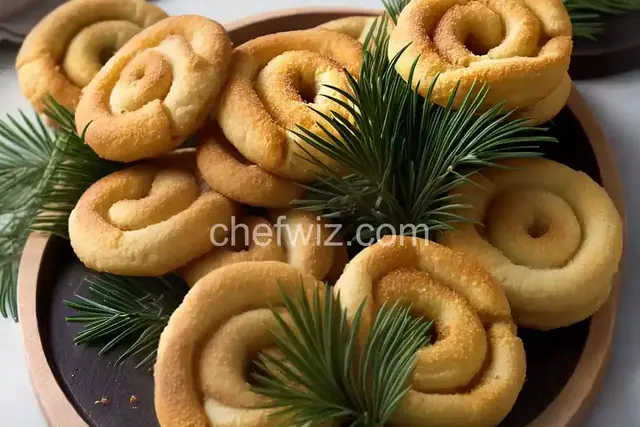
What sets palmiers apart from other pastries is their distinctive shape, resembling a palm leaf or an open butterfly. To achieve this shape, the pastry dough is rolled, folded, and sliced into thin strips, which are then baked until they turn golden brown and caramelized. The result is a visually stunning treat that not only looks like a work of art but also tastes incredibly delicious.
The secret to the irresistible flavor of palmiers lies in the caramelization process. As the pastry bakes, the sugar sprinkled on top gradually melts and caramelizes, creating a delicate, sweet crunch that perfectly complements the buttery, flaky layers underneath. This combination of textures and flavors makes palmiers an absolute delight to savor.
While palmiers may have originated in France, their popularity has spread far and wide. These delectable pastries can now be found in bakeries and patisseries all around the world. From Europe to the Americas, people have fallen in love with the unique shape, the delicate flavors, and the sheer elegance of palmiers. It's a testament to the universal appeal of this French culinary masterpiece.
In conclusion, palmiers are more than just a pastry – they are a work of art. From their origins in France to their global popularity, these caramelized delights have captured the hearts and taste buds of pastry enthusiasts everywhere. So, the next time you come across a palmier, take a bite and let yourself be transported to a world of crispy, flaky bliss.
Not at all! With a few simple ingredients and some patience, you can easily recreate palmiers in your own kitchen.
Absolutely! While traditional palmiers are sprinkled with sugar, you can experiment with various flavors such as cinnamon, chocolate, or even savory options like cheese and herbs.
When stored in an airtight container, palmiers can stay fresh for up to a week. However, they are so delicious that they often disappear within minutes!
Yes, you can freeze palmiers. Just make sure to thaw them at room temperature before enjoying their crispy goodness.
Absolutely! Palmiers not only taste amazing but also make for an elegant and visually pleasing addition to any dessert table.
Yes, there are gluten-free versions of palmiers available that cater to those with dietary restrictions or preferences.
Palmiers are often enjoyed on their own as a sweet treat, but they can also be served with a cup of coffee or tea to enhance the overall experience.
If you enjoy palmiers, you might also like rugelach, elephant ears, or even croissants, which share similar flaky and buttery qualities.
AprilCook, recipe developer and the heart of Chefwiz. More about April