Basic Vanilla Cake
Rate this recipeBe the first to rate
 By AprilPublished
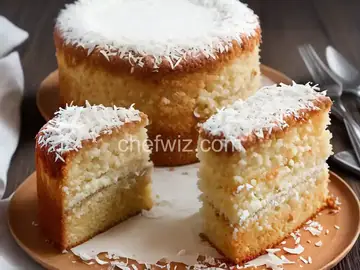
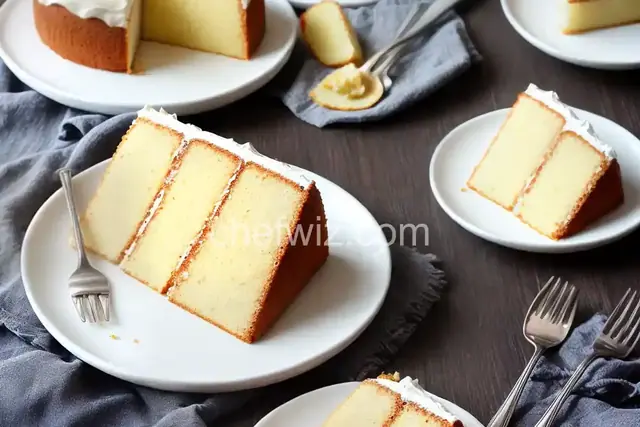
 Who doesn't love a freshly baked cake that is fluffy, moist, and bursting with the sweet aroma of vanilla?
 By AprilPublished
 Who doesn't love a freshly baked cake that is fluffy, moist, and bursting with the sweet aroma of vanilla?
Preheat the oven to 350 degrees F.
Grease two 9-inch-round cake pans and line the bottoms with parchment paper. Also, grease the parchment and lightly dust the pans with flour, removing any excess by tapping.
In a bowl, whisk together 3 cups of flour, baking powder, and salt until well combined.
In a large bowl, beat 2 sticks of butter and sugar using a mixer on medium-high speed until the mixture is light and fluffy for about 3 minutes.
Reduce the mixer speed to medium and gradually beat in the eggs, one at a time, scraping down the sides of the bowl as needed.
Add the vanilla extract and continue beating the mixture. It may appear separated at this stage.
Gradually add the flour mixture to the butter mixture in three parts, alternating with the milk. Begin and end with the flour mixture, mixing until just smooth.
Divide the batter evenly between the prepared pans.
Bake the cakes for 30 to 35 minutes, or until they are lightly golden on top and a toothpick inserted into the center comes out clean.
Place the pans on cooling racks and let them cool for 10 minutes.
Run a knife around the edges of the pans to loosen the cakes, then carefully turn them out onto the cooling racks to cool completely.
Remove the parchment paper.
If desired, use a long serrated knife
Who doesn't love a freshly baked cake that is fluffy, moist, and bursting with the sweet aroma of vanilla? A basic vanilla cake is the foundation for countless delicious desserts and a staple in every baker's repertoire. In this article, we will explore the art of making a perfect vanilla cake that is sure to impress your friends and family.
Just like a strong foundation is vital for a building, a good cake base sets the stage for a delicious dessert. The secret lies in finding the perfect balance between ingredients. The right combination of flour, sugar, eggs, butter, and vanilla extract creates a cake that is light, tender, and full of flavor.
Think of flour as the backbone of your cake. It provides structure and stability while adding a delicate crumb. All-purpose flour is commonly used in vanilla cakes as it strikes a balance between tenderness and structure. Sifting the flour before adding it to the batter helps to aerate and remove any lumps, resulting in a lighter texture.
Sugar not only adds sweetness to your cake but also contributes to its moistness. Granulated sugar is typically used in vanilla cakes, though some recipes may call for a combination of granulated and brown sugar. Brown sugar adds a hint of caramel flavor and extra moisture to the cake. Don't be afraid to experiment with different types of sugar to find your preferred level of sweetness.
Eggs play multiple roles in a vanilla cake. They act as a binder, holding the ingredients together, and provide moisture and richness. Eggs also contribute to leavening, giving the cake its light and airy texture. For a fluffier cake, separate the egg yolks and whites, beating the whites until stiff peaks form. Gently fold the beaten egg whites into the batter just before baking.
Butter adds richness, flavor, and moisture to the cake. It is important to use softened butter, as it incorporates more easily into the batter. Cream the butter with the sugar until light and fluffy, creating a smooth and airy texture. Room temperature butter also helps to ensure even distribution of heat during baking.
Vanilla extract is the star of a vanilla cake, infusing it with its signature aroma and flavor. Use pure vanilla extract for the best results. A good rule of thumb is to use one to two teaspoons of vanilla extract for every cup of flour. If you want a stronger vanilla flavor, feel free to add a little extra.
Now that we have explored the essential ingredients, let's dive into the baking process. Preheat your oven to the recommended temperature stated in the recipe. Grease and flour your cake pans to prevent sticking.
Once you have mixed the batter, pour it into the prepared pans, filling them halfway to allow room for the cake to rise. Smooth the top of the batter with a spatula to create an even surface.
Place the pans in the preheated oven and let the magic happen. Avoid opening the oven door too often, as it can cause the cake to sink. Bake the cake for the recommended time or until a toothpick inserted into the center comes out clean.
A basic vanilla cake is a versatile and delicious treat that can be enjoyed on its own or dressed up with frosting and fillings. By understanding the importance of each ingredient and following the baking process carefully, you can create a cake that is sure to impress. So go ahead, unleash your creativity, and enjoy the sweet rewards of a homemade vanilla cake.
While cake flour is lighter and produces a more tender cake, you can substitute all-purpose flour in a vanilla cake recipe. Just keep in mind that the texture may be slightly different.
While margarine can be used as a substitute for butter, the flavor and texture of the cake may be affected. Butter is recommended for the best results.
To make a vanilla cake moist, ensure you use the right amount of fat (butter and eggs) and sugar. Overbaking can also result in a dry cake, so be sure to check for doneness using a toothpick.
Absolutely! Adding fruits or nuts to your vanilla cake can add extra flavor and texture. Just be sure to chop them into small pieces and fold them gently into the batter.
A properly stored vanilla cake can stay fresh for up to four days at room temperature. Make sure to store it in an airtight container to maintain its freshness.
While vanilla essence is a cheaper alternative, it may not provide the same depth of flavor as pure vanilla extract. If possible, opt for vanilla extract for the best results.
Yes, you can freeze a vanilla cake. Wrap it tightly in plastic wrap and store it in an airtight container before freezing. Thaw it in the refrigerator overnight before serving.
Absolutely! Vanilla beans can add a luxurious touch to your vanilla cake. Simply scrape the seeds from the vanilla bean and add them to the cake batter, along with the pod for extra flavor.
AprilCook, recipe developer and the heart of Chefwiz. More about April