Coconut Cake
Rate this recipeBe the first to rate
 By AprilPublished
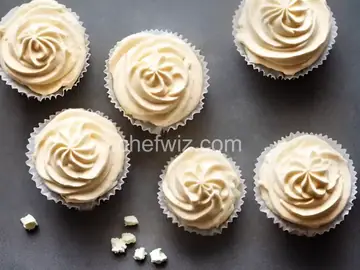
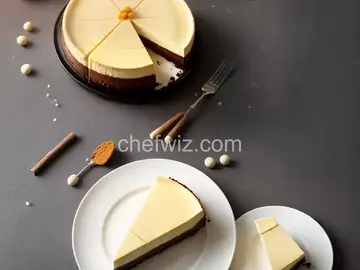
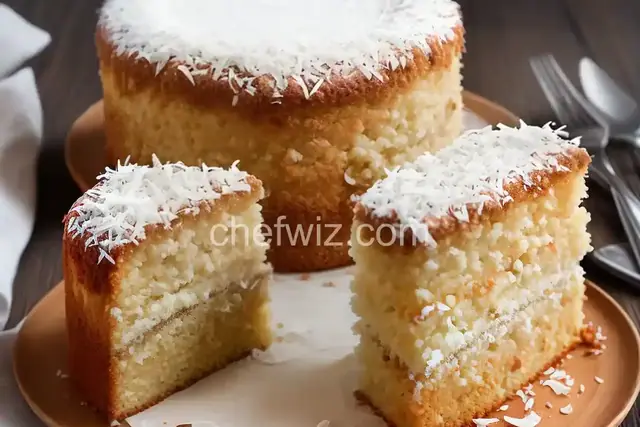
 Who can resist the heavenly combination of moist cake, creamy frosting, and the tropical flavor of coconut?
 By AprilPublished
 Who can resist the heavenly combination of moist cake, creamy frosting, and the tropical flavor of coconut?
Preheat the oven to 350 degrees F.
Grease 2 (9-inch) round cake pans and line them with parchment paper.
Grease the pans again and lightly dust with flour.
In the bowl of an electric mixer fitted with a paddle attachment, cream the butter and sugar on medium-high speed for 3 to 5 minutes until it becomes light yellow and fluffy.
Crack the eggs into a small bowl.
With the mixer on medium speed, add the eggs one at a time, scraping down the bowl once during mixing.
Add the vanilla and almond extracts and mix well. Don't worry if the mixture looks curdled.
In a separate bowl, sift together the flour, baking powder, baking soda, and salt.
With the mixer on low speed, add the dry ingredients and the milk to the batter in three parts, beginning and ending with the dry ingredients. Mix until just combined.
Fold in the 4 ounces of coconut using a rubber spatula.
Pour the batter evenly into the prepared pans and smooth the top with a knife.
Bake in the center of the oven for 45 to 55 minutes, or until the tops are browned and a cake tester comes out clean.
Cool the cakes on a baking rack for 30 minutes, then turn them out onto the rack to finish cooling.
For the frosting, in the bowl of
Who can resist the heavenly combination of moist cake, creamy frosting, and the tropical flavor of coconut? A coconut cake is a delightful treat that can elevate any occasion, from birthdays to weddings. In this article, we will explore the wonders of coconut cake, its history, and why it has become a beloved dessert around the world.
Just like the coconut palm tree that grows in tropical regions, the origins of coconut cake can be traced back to exotic lands. It is believed that coconut cake first emerged in the Caribbean, where coconuts are abundant and an essential part of the cuisine. From there, its popularity spread like wildfire, capturing the hearts and taste buds of people worldwide.
One of the reasons coconut cake has become such a beloved dessert is its unique flavor profile. The delicate sweetness of the cake itself perfectly complements the rich and creamy coconut frosting. Each bite is a harmonious blend of textures and tastes, transporting you to a tropical paradise with every mouthful.
Coconut cake has become synonymous with celebrations and joyous occasions. Its presence on a dessert table instantly adds a touch of elegance and festivity. Whether it's a birthday, wedding, or anniversary, coconut cake is the perfect choice to commemorate special moments and create lasting memories.
Baking a coconut cake requires precision and attention to detail, but the end result is well worth the effort. From selecting high-quality ingredients to layering the cake with creamy coconut frosting, every step is crucial in creating a cake that is moist, flavorful, and visually stunning.
When it comes to baking a coconut cake, using fresh and high-quality ingredients is key. From the tender coconut flakes to the rich coconut milk, the quality of the ingredients directly impacts the taste and texture of the cake. So, be sure to source the finest ingredients available to create a truly exceptional coconut cake.
The frosting is the crowning glory of any coconut cake. To achieve a luscious and velvety texture, it is crucial to whip the coconut frosting to perfection. The secret lies in incorporating the right amount of coconut milk and butter, creating a silky smooth frosting that melts in your mouth.
While the classic coconut cake holds a special place in our hearts, there are countless variations and innovative twists that can be explored. From adding tropical fruits like pineapple or mango to experimenting with different types of frosting, the possibilities are endless. Each variation brings a unique flavor and adds a personal touch to the beloved coconut cake.
When it comes to serving coconut cake, presentation is key. Garnish the cake with toasted coconut flakes or fresh fruits to add a pop of color and enhance the overall visual appeal. And don't forget to savor each bite slowly, allowing the flavors to dance on your palate. Coconut cake is best enjoyed with loved ones, making every moment even more special.
Coconut cake is truly a delightful treat that brings a taste of the tropics to any occasion. Its rich flavor, creamy frosting, and elegant presentation make it a crowd-pleaser that never fails to impress. Whether you're a coconut lover or simply looking for a dessert that stands out, coconut cake is a sweet indulgence that is sure to leave a lasting impression.
While desiccated coconut can be used as a substitute for coconut flakes, it may alter the texture of the cake slightly. Coconut flakes provide a more robust and authentic coconut flavor.
Yes, you can freeze coconut cake for future enjoyment. Ensure that it is wrapped tightly in plastic wrap and stored in an airtight container to maintain its freshness.
Yes, you can make an eggless coconut cake by using substitutes like applesauce, mashed bananas, or yogurt. These alternatives will help maintain the moisture and structure of the cake.
Coconut cake can be made gluten-free by using alternative flours like almond flour or gluten-free flour blends. Be sure to check the labels of your ingredients to ensure they are gluten-free.
Adding a splash of rum or coconut liqueur to your coconut cake can add a delightful twist. However, be mindful of the alcohol content, especially if serving the cake to children or individuals who avoid alcohol.
Yes, canned coconut milk can be used for the frosting. However, opt for full-fat coconut milk for a richer and creamier texture.
When stored properly in an airtight container, coconut cake can stay fresh for up to 5 days at room temperature or up to a week when refrigerated.
Yes, coconut cake can be made in advance. Bake the cake layers, wrap them tightly in plastic wrap, and store them in the freezer. Thaw the layers overnight in the refrigerator before assembling and frosting the cake.
AprilCook, recipe developer and the heart of Chefwiz. More about April