Pad See-Ew Recipe
Rate this recipeBe the first to rate
 By AprilPublished
 Imagine yourself sitting at a bustling Thai street food stall, the sizzle of the wok filling the air.
 By AprilPublished
 Imagine yourself sitting at a bustling Thai street food stall, the sizzle of the wok filling the air.
In a medium-sized bowl, combine the chicken, 2 teaspoons of soy sauce, and baking soda. Set aside.
In another medium-sized bowl, whisk together the oyster sauce, 2 teaspoons soy sauce, sugar, rice vinegar, and garlic clove.
Bring a large pot of water to a boil. Cook the rice noodles according to the instructions on the packaging. Drain the noodles and toss with a tablespoon of oil to prevent sticking.
Place the pot back on high heat and bring to a boil. Place the marinated chicken in a large strainer and dip it into the boiling water. Cook until the chicken turns white. Set aside.
Heat enough oil in a large wok to coat the bottom. When the oil is hot, add the broccoli. Stir-fry until the broccoli becomes tender and bright green. Transfer the broccoli to the large bowl and set aside.
Rinse and dry the wok. Heat two tablespoons of oil in the wok on high heat. Once the oil is hot, crack in the eggs and scramble them using a wooden spoon. Once the eggs are set, add the noodles and toss to separate the strands. Allow the noodles to cook for a minute.
Drizzle the sweet soy sauce over the noodles, toss well, and let them cook undisturbed until they start to brown, about one minute. Add the broccoli and chicken back to the wok and toss well.
8
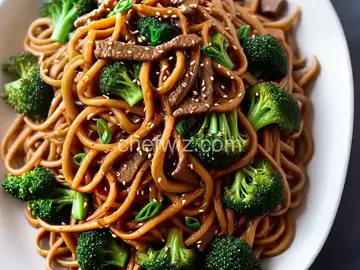
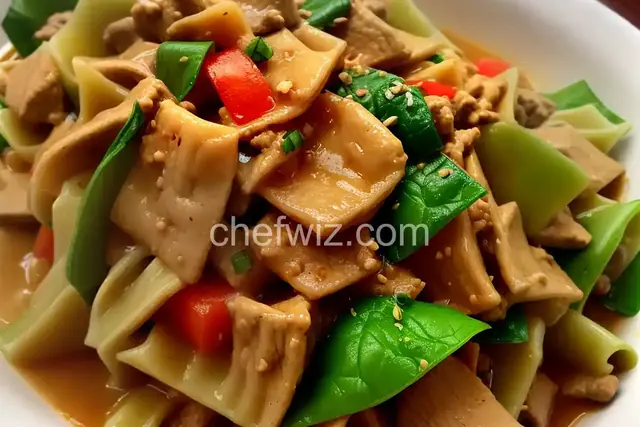
Imagine yourself sitting at a bustling Thai street food stall, the sizzle of the wok filling the air. As you watch the skilled chef expertly tossing ingredients, you can't help but be captivated by the aromatic flavors wafting towards you. One dish in particular catches your eye - pad see-ew. This beloved Thai noodle dish is a symphony of flavors, combining fresh vegetables, tender noodles, and savory sauce.
Just like a beautifully crafted dish, pad see-ew has a story to tell. This popular Thai street food staple has its roots in Chinese cuisine. The name "see-ew" translates to "soy sauce" in Thai, which hints at its Chinese influence. Originally, pad see-ew was made with wide rice noodles stir-fried with soy sauce, Chinese broccoli, and your choice of protein.
When it comes to creating the perfect pad see-ew, the ingredients play a crucial role. The star of the show is the wide rice noodles, which provide a chewy and satisfying texture. Other key ingredients include Chinese broccoli, soy sauce, eggs, garlic, and your choice of protein - be it chicken, beef, or tofu. These components work together harmoniously, creating a dish that is both hearty and full of flavor.
Stir-frying is an art form that requires precision and finesse. The high heat and quick cooking time help to retain the vibrant colors and crisp textures of the ingredients. As the ingredients dance in the wok, they absorb the flavors of the sauce, creating a tantalizing medley of tastes. The result is a dish that bursts with freshness and complexity.
Creating an authentic pad see-ew at home is easier than you might think. Here are some tips to help you achieve noodle perfection:
Pad see-ew is a dish that brings together the best of Thai and Chinese cuisines. Its rich flavors, vibrant colors, and satisfying textures make it a favorite among food lovers around the world. By following the tips and techniques mentioned above, you can recreate the magic of this beloved street food dish in your own kitchen. So go ahead, gather your ingredients, fire up your wok, and embark on a culinary journey that will transport you to the bustling streets of Thailand.
Pad see-ew is not typically spicy, but you can add some heat by including chili flakes or a dash of sriracha sauce.
Absolutely! Feel free to experiment with different vegetables like bok choy, bell peppers, or snap peas.
Yes, you can make a vegetarian version by omitting the protein or using meat substitutes.
While dark soy sauce adds a rich color and depth of flavor, you can use regular soy sauce if that's what you have on hand.
Yes, you can use gluten-free soy sauce and rice noodles to make a delicious gluten-free version of pad see-ew.
Traditionally, pad see-ew is made with wide rice noodles, but you can experiment with other noodles like udon or even spaghetti.
To prevent the noodles from sticking, make sure to rinse them with cold water after cooking and toss them with a little oil.
Pad see-ew is best enjoyed fresh, but you can make it ahead of time and reheat it gently on the stovetop.
AprilCook, recipe developer and the heart of Chefwiz. More about April