Gallopinto (Nicaraguan Rice and Beans)
Rate this recipeBe the first to rate
 By AprilPublished
 Are you looking for a delicious and hearty dish that will transport you to the vibrant and flavorful cuisine of Nicaragua?
 By AprilPublished
 Are you looking for a delicious and hearty dish that will transport you to the vibrant and flavorful cuisine of Nicaragua?
In a large heavy-bottomed saucepan, heat 2 tablespoons of oil over medium heat until it starts to shimmer.
Add two-thirds of the onion and cook, stirring, until it becomes soft and translucent, for about 5 minutes.
Add the rice and cook, stirring, until the grains are shiny and coated evenly with the oil, for about 2 to 3 minutes.
Add water or stock and salt to the saucepan, increase the heat to high, and bring it to a boil.
Place the bell pepper on top of the rice.
Allow the rice to boil without stirring until most of the liquid has evaporated and small bubbles start to burst on the surface of the rice.
Immediately reduce the heat to the lowest setting, cover the saucepan, and let it cook for 15 minutes.
Remove and discard the bell pepper.
Fluff the rice with chopsticks or a fork, then let it cool.
Transfer the rice to an airtight container and refrigerate it for 24 hours.
Spread the beans on a rimmed baking sheet and remove any debris or broken beans.
Rinse the beans under cold running water using a colander.
Place the rinsed beans in a large pot and cover them with cold water, ensuring that the water level is about 3 inches above the beans.
Let the beans soak for 30 minutes.
Are you looking for a delicious and hearty dish that will transport you to the vibrant and flavorful cuisine of Nicaragua? Look no further than Gallopinto, a traditional Nicaraguan dish that combines rice and beans into a mouthwatering symphony of flavors. In this article, we will delve into the origins of Gallopinto, explore its unique characteristics, and provide you with everything you need to know about this beloved dish.
Just like every dish has a story, Gallopinto has a rich history that reflects the cultural heritage of Nicaragua. This beloved dish dates back to the pre-Columbian era when the indigenous people of Nicaragua started cultivating beans and rice. Over time, as various cultures influenced Nicaragua, Gallopinto evolved into the beloved national dish it is today. It is a testament to the country's diverse culinary traditions.
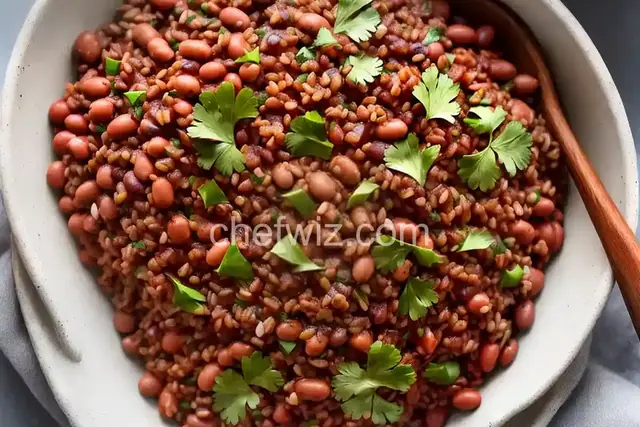
Gallopinto is more than just a combination of rice and beans. It is a symphony of flavors and aromas that will captivate your senses. The beans infuse the dish with a rich and earthy flavor, while the rice provides a comforting and fluffy texture. The dish is typically seasoned with onions, bell peppers, garlic, and a variety of herbs and spices, adding layers of complexity to the taste.
Gallopinto is not only a delight for the taste buds but also for the eyes. The combination of the red beans and the white rice creates a beautiful mosaic of colors. It is a visual representation of the cultural diversity and vibrancy of Nicaragua. Every spoonful of Gallopinto is a feast for both the eyes and the palate.
One of the remarkable aspects of Gallopinto is its versatility. It can be enjoyed as a main course, served alongside a variety of proteins such as grilled chicken or beef. It can also be served as a side dish, complementing other Nicaraguan delicacies. Gallopinto is a staple on Nicaraguan breakfast tables, often accompanied by plantains, eggs, and a cup of strong Nicaraguan coffee.
Now that we have explored the wonders of Gallopinto, you might be wondering how to recreate this delicious dish in your own kitchen. While the exact recipe may vary from region to region and family to family, the basic ingredients remain the same – rice, beans, and a medley of vegetables and spices. The secret lies in the technique and the love put into the dish.
To make Gallopinto, you first need to cook the beans. This is where the depth of flavor begins. The beans are typically soaked overnight to reduce cooking time and ensure tenderness. Once soaked, they are simmered in a flavorful broth with onions, garlic, and spices until they are tender and infused with delicious flavors.
While the beans are cooking, you can start preparing the rice. The rice is usually rinsed to remove excess starch and then cooked in a separate pot. Once cooked, it is set aside to cool slightly before being combined with the beans.
Once both the beans and rice are cooked, it's time to bring them together. The beans are added to the rice, along with sautéed onions, bell peppers, and garlic. The mixture is gently stirred to ensure that the flavors meld together harmoniously. The result is a delightful combination of textures and flavors that make Gallopinto a truly satisfying dish.
Gallopinto is not just a dish; it is a representation of the rich cultural heritage and the flavorsome cuisine of Nicaragua. It is a dish that can transport you to the colorful streets of Granada or the lush landscapes of Ometepe Island. Whether you enjoy it as a main course, a side dish, or for breakfast, Gallopinto is sure to leave a lasting impression on your taste buds.
Absolutely! While red beans are the traditional choice, you can experiment with black beans, kidney beans, or any other beans you prefer.
Gallopinto can be as spicy or as mild as you like. You can adjust the amount of chili peppers or hot sauce to suit your taste.
Yes, Gallopinto can be made ahead of time and stored in the refrigerator. It actually tastes even better the next day as the flavors have had time to meld together.
While Gallopinto can be frozen, it is best enjoyed fresh. Freezing may alter the texture of the rice and beans.
Absolutely! Gallopinto can be made with added proteins such as shredded chicken, diced beef, or even crispy bacon.
Yes, Gallopinto can be easily adapted to a vegan diet by omitting any animal products and using vegetable broth instead of chicken broth.
Yes, Gallopinto is a great way to repurpose leftovers. Simply sauté the rice and beans with onions and spices to create a delicious new dish.
Yes, there are regional variations of Gallopinto throughout Nicaragua. Some recipes may include additional ingredients such as sweet peppers, tomatoes, or even Worcestershire sauce.
AprilCook, recipe developer and the heart of Chefwiz. More about April